pv curtailments — An end to PV curtailments is on the horizon for Cyprus, driven by a significant investment in battery storage technology. In June, the Transmission System Operator (TSO) and the Cyprus Telecommunications Authority (CyTA) signed a contract for a €50 million project aimed at managing energy surplus and improving the integration of renewable sources.

Photo: cyprus-mail.com
Pv curtailments: Major Investment in Battery Storage
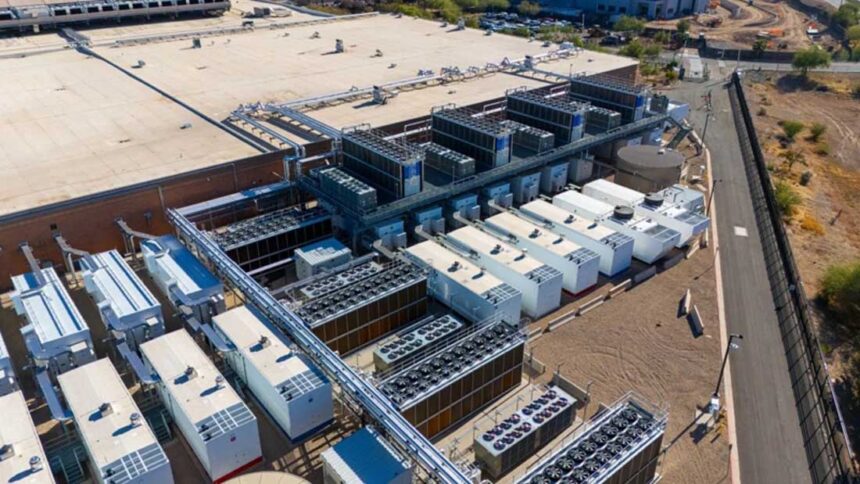
The project, slated for completion by January 2027, will deliver 120 MW of centrally managed storage capacity. The batteries will be installed at three substations located in Nicosia, Paphos, and Larnaca, strategically chosen for direct connections to the transmission system. This initiative marks a critical step in Cyprus’s energy strategy, addressing the challenges posed by excess solar generation.
The Role of CyTA and Technological Partners
CyTA’s involvement in this venture follows a legislative amendment allowing the telecom authority to enter the energy sector, specifically focusing on green energy. For the battery project, CyTA has partnered with Huawei, which will supply advanced Smart Battery Energy Storage Systems (BESS) that leverage artificial intelligence to optimise energy management. These systems will predict weather conditions and energy demand, ensuring efficient charging and discharging cycles.
Electricity Authority’s Perspective
The Electricity Authority of Cyprus (EAC) acknowledges that battery storage is vital for the transition towards a sustainable electricity system. In an email, the EAC highlighted the necessity of balancing generation and demand within an electrically isolated network. As renewable energy generation increases, particularly from solar, the ability to store excess energy becomes crucial to avoid curtailments.
Enhancing Grid Stability
Battery storage does more than just alleviate curtailments for solar producers; it enhances overall grid stability. By providing fast-response services, battery systems can help maintain equilibrium between electricity generation and consumption, support frequency regulation, and improve operational reliability. This flexibility is increasingly important as the share of variable renewable sources grows.
Future Developments in Battery Storage
The EAC is also progressing with another significant battery project at the Dhekelia power plant, which aims to install an 80 MW/160 MWh battery system. This development will further bolster the grid’s capacity to manage renewable energy efficiently and is part of the EAC’s broader strategy to modernise the electricity system.
Capacity for Renewable Energy
As Cyprus continues to increase its renewable energy capacity, there are questions about the maximum amount the grid can handle. The EAC indicated that this capability fluctuates based on real-time conditions, including demand, weather, and existing generation resources. During peak summer months, the grid can absorb between 700-900 MW of renewable energy, while this figure drops to around 350-550 MW in cooler months.
Looking Ahead
With ongoing investments in battery storage and infrastructure, Cyprus is poised to enhance its energy landscape significantly. As new projects develop, the reliance on conventional generation will decrease, allowing for a more efficient and environmentally friendly energy system. The future of energy in Cyprus looks brighter as these advancements pave the way for a cleaner, more sustainable energy mix.