
The term “slutty little glasses” has recently captured the attention of fashion enthusiasts and critics alike, breathing new life into the world of men’s eyewear.
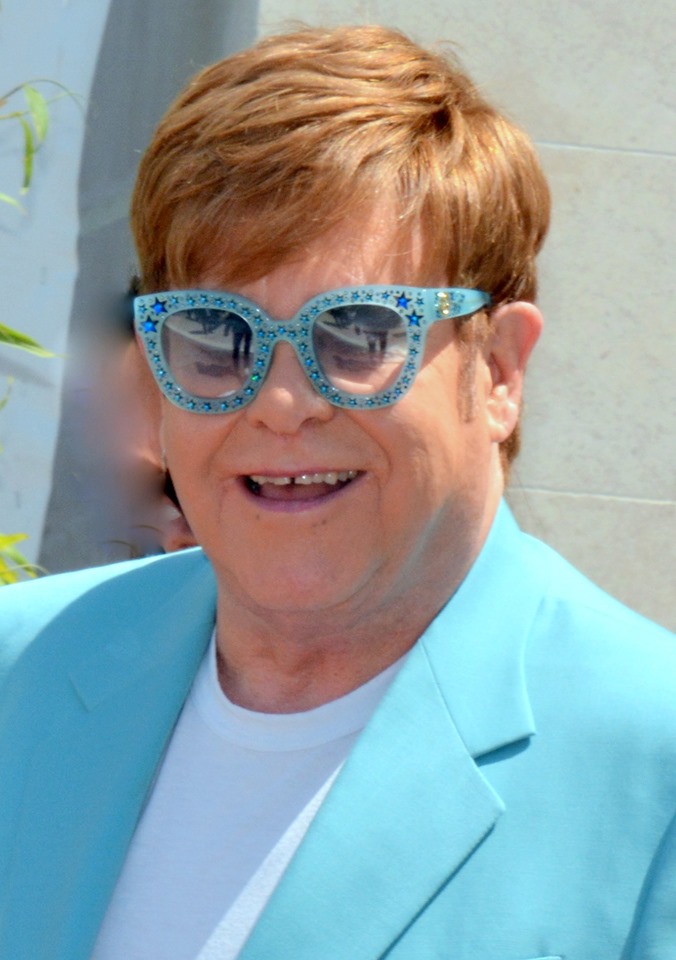
Photo: cyprus-mail.com
- The term “slutty little glasses” has recently captured the attention of fashion enthusiasts and critics alike, breathing new life into the world of men’s eyewear.
- In contrast, the mild-mannered Clark Kent used glasses to conceal his superhero identity as Superman, reinforcing the idea that eyewear can be both a façade and a symbol of intellect.
Initially coined by creator and culture critic Blakely Thornton, this phrase describes the trendy wire-framed spectacles made famous by actor Jonathan Bailey’s character in the film Jurassic World Rebirth. Since then, it has expanded to encompass a wider array of stylish glasses for men, marking a significant shift in how eyewear is perceived.
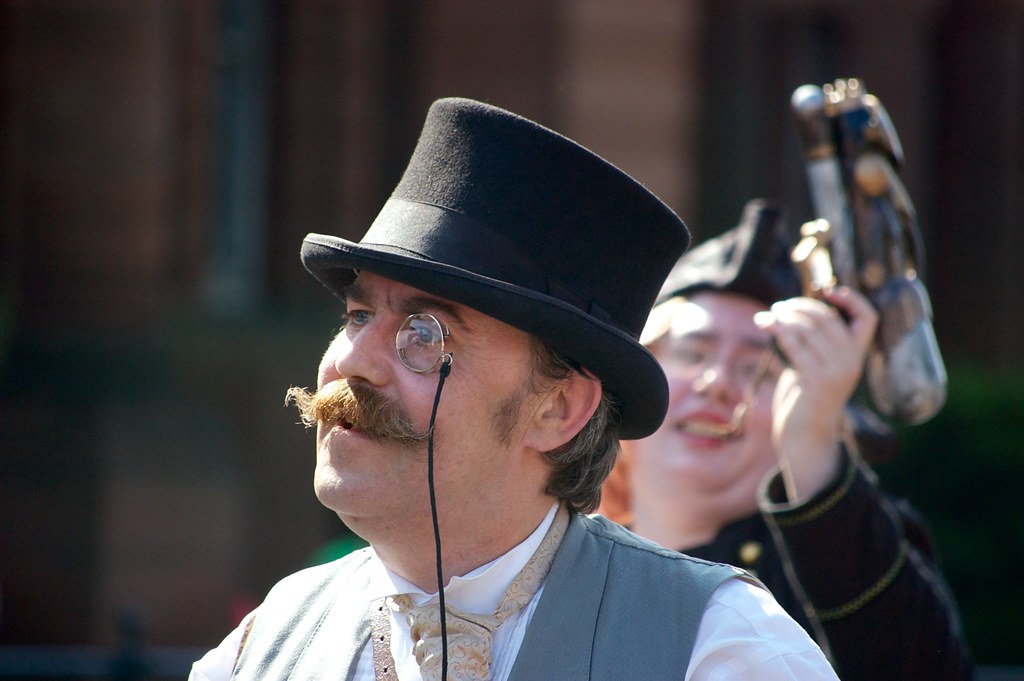
Photo: cyprus-mail.com
Eyewear has served both practical and aesthetic purposes for centuries. The earliest known spectacles date back to the late 1200s, although the identity of their inventor remains shrouded in mystery. A sermon from a 14th-century Dominican friar praised the invention of eyeglasses as a revolutionary advancement, illustrating their importance in the realms of learning and craftsmanship.
As time progressed, spectacles evolved in design and popularity. In the 19th century, pince-nez glasses surged in style, known for their distinctive pincer mechanism that secured them to the nose. Meanwhile, lorgnettes, spectacles affixed to a handle, were favoured by the dapper gentlemen of the late 18th and early 19th centuries. Opera glasses also became a sought-after accessory, enhancing the viewing experience for theatre patrons.
The monocle, a single lens that perched under the eyebrow, emerged as a symbol of sophistication in the 19th century, also gaining popularity among the avant-garde lesbian community in 1920s Paris. By the time the 20th century arrived, sunglasses had transitioned from mere utility to a stylish accessory embraced by celebrities and trendsetters alike.
Men’s eyewear has long held a prominent place in pop culture. Sir Elton John’s renowned collection of flamboyant frames, featuring hearts and stars, showcases how eyewear can be both functional and a bold statement. Similarly, Barry Humphries’ iconic Dame Edna Everage character became instantly recognisable for her extravagant, diamanté-studded glasses. Other cultural figures, from Buddy Holly to John Lennon and Tupac Shakur, have all left their mark on men’s eyewear fashion.
Throughout history, glasses have represented status and intellect. The powerful Medici family of 15th-century Florence were known for their myopia and proudly wore the finest spectacles available. Yet, despite the status conferred by eyewear, many men have hesitated to wear glasses publicly, associating them with weakness or vulnerability. French author Victor Hugo, for instance, preferred to forgo glasses when posing for portraits, despite his poor eyesight.
Interestingly, glasses have also served as a tool for disguise. In popular culture, the trope of glasses as a transformative accessory can be seen in various films and television shows. The notion that a character’s beauty is unveiled only when they remove their glasses is prevalent, as exemplified by Mia in The Princess Diaries or Tara Morice in Strictly Ballroom.
In contrast, the mild-mannered Clark Kent used glasses to conceal his superhero identity as Superman, reinforcing the idea that eyewear can be both a façade and a symbol of intellect.
Traditionally, glasses have been associated with intelligence and wisdom, often leading to their classification as “nerdy.” While wire-framed glasses may still carry a hint of that stereotype, the ‘slutty little glasses’ trend signifies a shift in perception, heralding a new era in men’s fashion. These frames challenge conventional masculine ideals, suggesting that intelligence and thoughtfulness can be as appealing as traditional notions of strength and machismo.
“Slutty little glasses” embody a refreshing take on masculinity, appealing to a broader audience that includes both women and the LGBTQ+ community. By celebrating a different type of male hero—one who finds strength in intellect and openness—this eyewear trend disrupts the long-standing narrative surrounding masculinity.