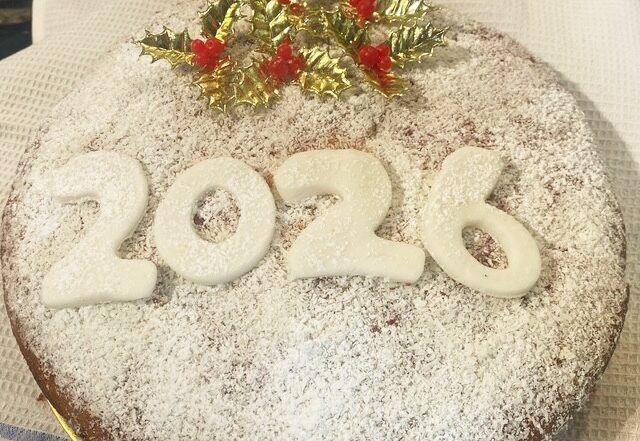
Festive bakes made in Cyprus offer a delightful blend of tradition and flavour that can elevate any holiday gathering. Among these, Vasilopita and Melomakarona stand out as quintessential treats that not only tantalise the taste buds but also embody rich cultural significance.
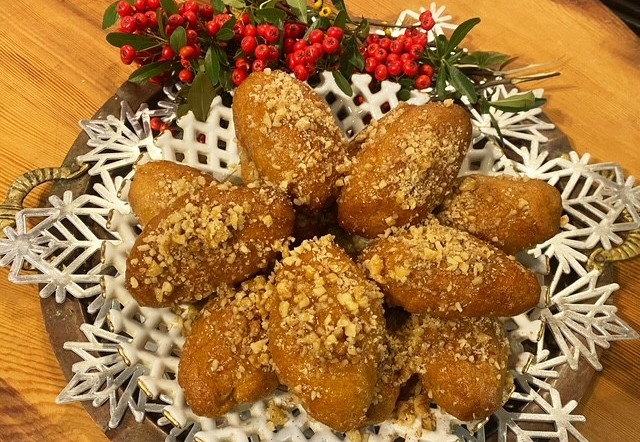
Photo: cyprus-mail.com
Festive bakes: Celebrating the New Year with Vasilopita
Vasilopita, or St Basil’s cake, is a cherished Greek New Year’s cake with origins deeply rooted in the Orthodox Christian communities of Asia Minor. Its preparation and consumption on January 1st have become emblematic of the New Year celebrations, especially as it coincides with the name day of St Basil, who is said to bring gifts and good fortune.
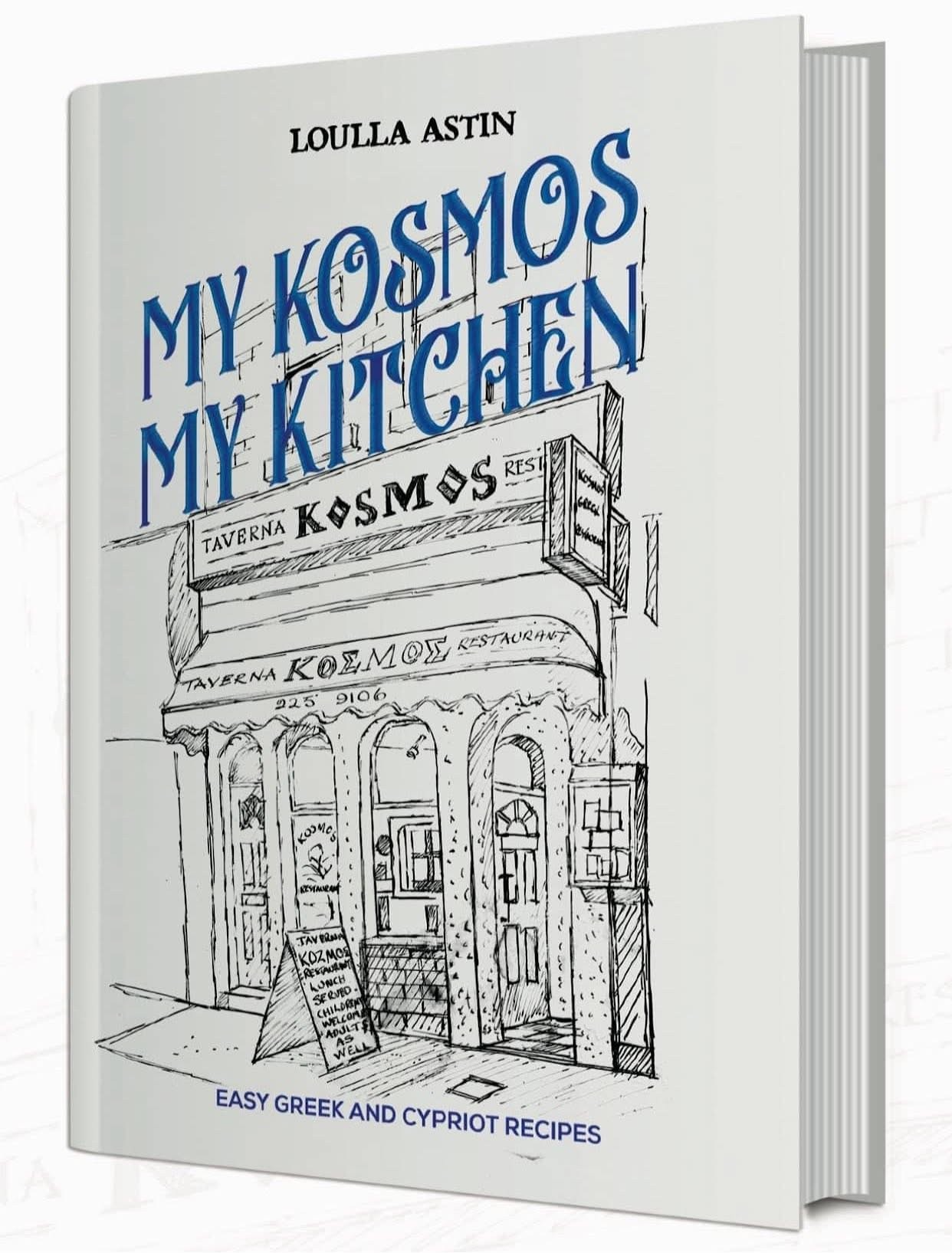
Photo: cyprus-mail.com
In many families, Vasilopita is more than just a dessert; it is a symbol of remembrance and hope. For those who have lost loved ones, like in my family where we honour the memory of my son, Vasos, who passed away this year, baking and sharing this cake takes on a profound emotional resonance.
Crafting the Perfect Vasilopita
There are numerous variations of Vasilopita, each with its unique twist. Some versions resemble a fluffy brioche, while others are simpler cakes enriched with fruits and nuts. Regardless of the style, the cake typically features a hidden coin, traditionally a gold one. This coin is wrapped in baking paper and concealed within the batter before baking. When the cake is sliced, the individual who discovers the coin is believed to receive good luck for the year ahead.
To create your own Vasilopita, here’s a delightful recipe:
- Ingredients:
250g soft butter
250g caster sugar
4 large organic eggs, separated
Grated zest of 1 large orange and juice
100ml full fat milk
2 tbsp yogurt
4 tbsp brandy
½ tsp ground cinnamon
½ tsp ground mastic-gum & mahlepi (optional)
½ tsp mixed spice
350-400g self-raising flour
1 tsp baking powder
Few drops vanilla extract - For decoration:
Icing sugar or desiccated coconut
Blanched whole almonds (optional)
Begin by preheating your oven to 170°C and greasing a 24cm round cake tin. In a glass bowl, whisk the egg whites with a pinch of salt until stiff. In another bowl, cream the butter until fluffy, then gradually add the sugar and egg yolks, along with the orange zest, juice, yoghurt, brandy, and spices.
Next, sift in the flour with the baking powder, mixing gently until smooth. Fold in the egg whites and pour the mixture into the prepared tin, making sure to insert the coin before baking. Place the cake in the oven for approximately 45 minutes, covering it with greaseproof paper after 30 minutes to prevent cracking. Once baked, allow it to cool, dust with icing sugar, and enjoy!
Melomakarona: A Sweet Tradition
No Greek Christmas would be complete without melomakarona, the beloved honey-soaked biscuits that grace festive tables across Cyprus and Greece. These oval-shaped cookies, made primarily during the weeks leading up to Christmas, are a staple for families and are often shared with guests as a symbol of hospitality.
Melomakarona are particularly special because they align with the pre-Christmas fasting traditions, which often exclude animal products. During this period, the biscuits are made using vegetable and olive oils instead of butter or eggs. However, once Christmas Day arrives, many families opt to enrich the recipe with butter for added flavour.
Creating Melomakarona at Home
To make a batch of melomakarona, follow this simple recipe:
- For the syrup:
500g sugar
570ml water
2 cinnamon sticks
4 whole cloves
½ cup honey
Few drops lemon juice - For the biscuits:
150ml olive oil
150ml vegetable oil
100g caster sugar
Juice of 2 large oranges and grated zest of 1 orange
1 liqueur glass brandy
1 tsp bicarbonate of soda
1 tsp baking powder
1 tsp ground cinnamon
½ tsp ground cloves
½ tsp freshly ground nutmeg
200g fine semolina
700g plain flour (sifted) - For decoration:
Honey
Ground or finely chopped walnuts
Ground cinnamon
Begin by preparing the syrup: combine the sugar, water, cinnamon sticks, and cloves in a saucepan. Bring to a boil until the sugar dissolves, then add honey and simmer for 8-10 minutes before removing from heat.
In a bowl, mix orange juice with bicarbonate of soda, then add the oils, sugar, brandy, and spices. In a larger bowl, combine the sifted flour, baking powder, and semolina. Gradually add the wet ingredients to the dry, mixing until a pliable dough forms. Shape the dough into ovals, using a fork to create patterns on top.
Bake in a preheated oven at 180°C for 25-30 minutes until golden brown. Once cooled, dip the biscuits in the hot syrup, arrange on a platter, and drizzle with honey and walnuts. These delightful treats can be made in advance and stored, making them a wonderful addition to any festive gathering.
Embracing Tradition and Togetherness
Both Vasilopita and Melomakarona are more than just festive bakes; they represent a rich tapestry of tradition and familial bonds. As we gather during the holiday season, these recipes not only serve to satisfy our palates but also remind us of the importance of family, memory, and the joy of sharing.
For those looking to explore more about Cypriot cuisine, Loulla’s book, My Kosmos My Kitchen, is a treasure trove of recipes that encapsulate the flavours and stories of Cyprus, available on Amazon UK.