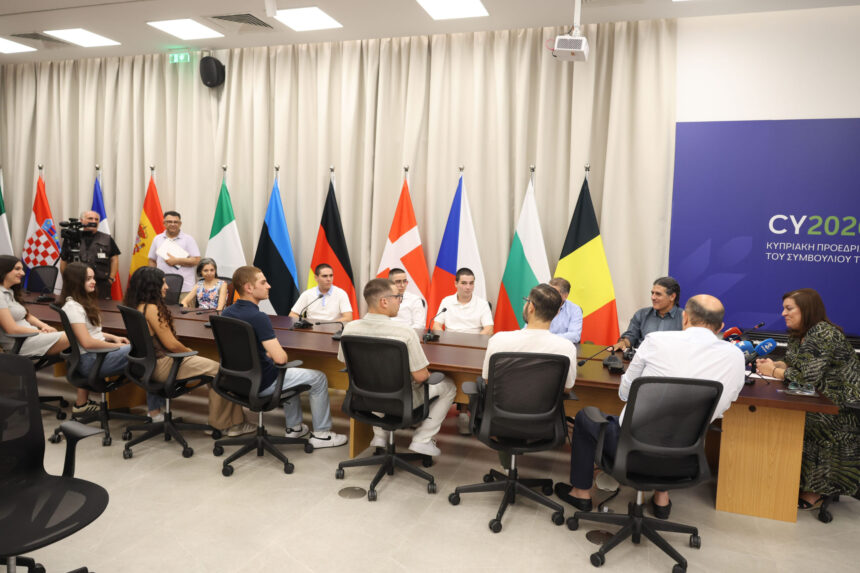
The call for a more student-centred education system has been voiced by top students in the recent 2026 university entrance examinations. Education Minister Athena Michaelidou emphasised the need for a curriculum that promotes critical thinking and creativity during a meeting with these high achievers on Thursday.
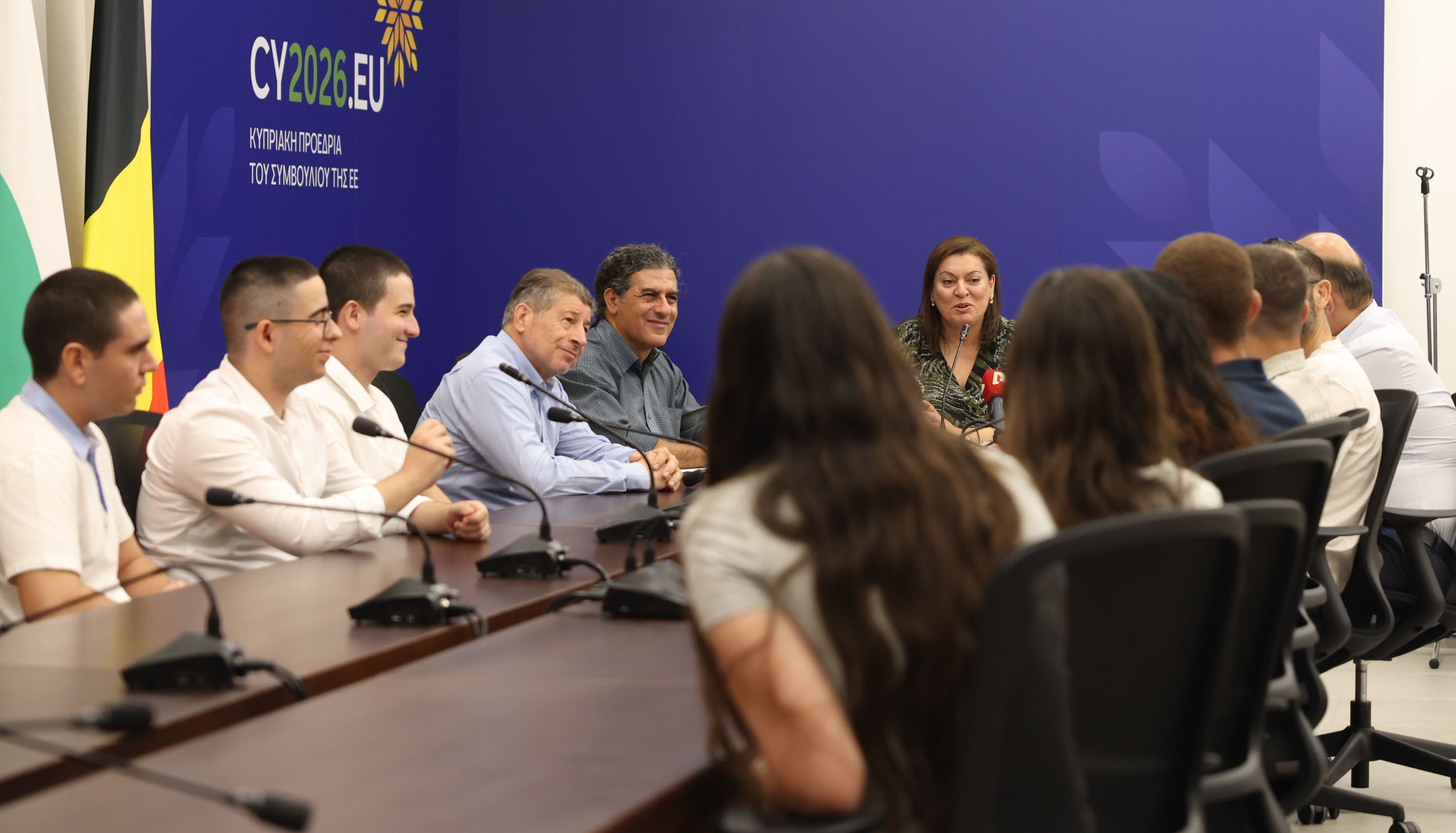
Photo: cyprus-mail.com
- Michaelidou concluded with an empowering message to all students: “My only advice is never stop dreaming and never stop trying. Nothing is impossible. Don’t let anyone convince you otherwise.”
Michaelidou outlined the ministry’s commitment to transforming public education by reducing the curriculum load and enhancing the full-day schooling experience. “Our goal is to reduce the amount of material students have to study, lessen the need for private lessons, offer more opportunities for full-day schools and, above all, make schools more attractive,” she stated.
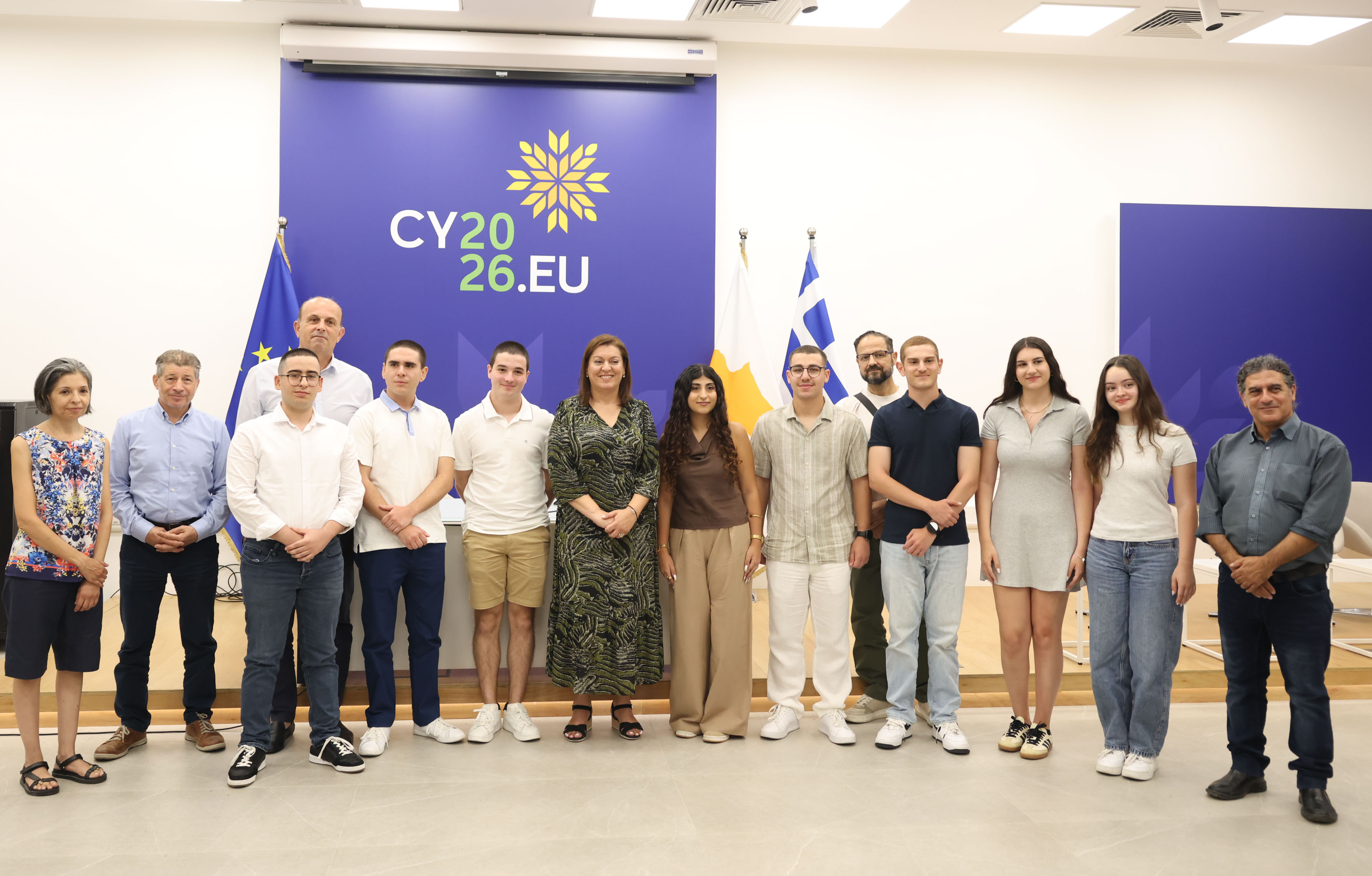
Photo: cyprus-mail.com
The minister praised the students for their achievements and encouraged them to share their insights on improving schools, recognising their long experience in the education system. Many students responded with suggestions aimed at refining assessment methods.
Christos Kalyvitis, soon to study mathematics at the University of Cyprus, proposed a reduction in non-exam subjects for final-year students. His peers, Nikolas Christou and Marilia Constantinou, also echoed the sentiment, arguing that these subjects should carry less weight in overall assessments.
Chara Orfanou, who has secured a place in medicine, called for a stronger emphasis on examined subjects, while Marina Hadjimichael, accepted into the law school, pointed out the excessive workload associated with classical studies, particularly in history and ancient Greek.
Achilleas Papadimitriou, destined for a degree in computer science, advocated for a more student-centred approach that focuses on practical skills. Medical student Giorgos Lipertis urged for recognition of individual talents and suggested that examination questions should be less predictable to foster critical thinking over rote memorisation.
Petros Nikolaou, also heading into medicine, highlighted the need to develop character and moral values within the school curriculum and called for improvements to the school infrastructure in Paphos. Meanwhile, several students praised the Erasmus+ programme, noting how it has broadened their perspectives and cultural understanding.
In response to these suggestions, Michaelidou affirmed that the ministry would thoroughly evaluate the students’ input. She reiterated the importance of fostering an educational environment that nurtures social skills and personal development alongside academic achievements.
Addressing those who did not secure their desired university placements, the minister offered reassurance, stating that numerous alternative paths remain available for them. “This is not the end,” she said. “Many opportunities lie ahead, whether through trying again or choosing a different path.”
Michaelidou concluded with an empowering message to all students: “My only advice is never stop dreaming and never stop trying. Nothing is impossible. Don’t let anyone convince you otherwise.”