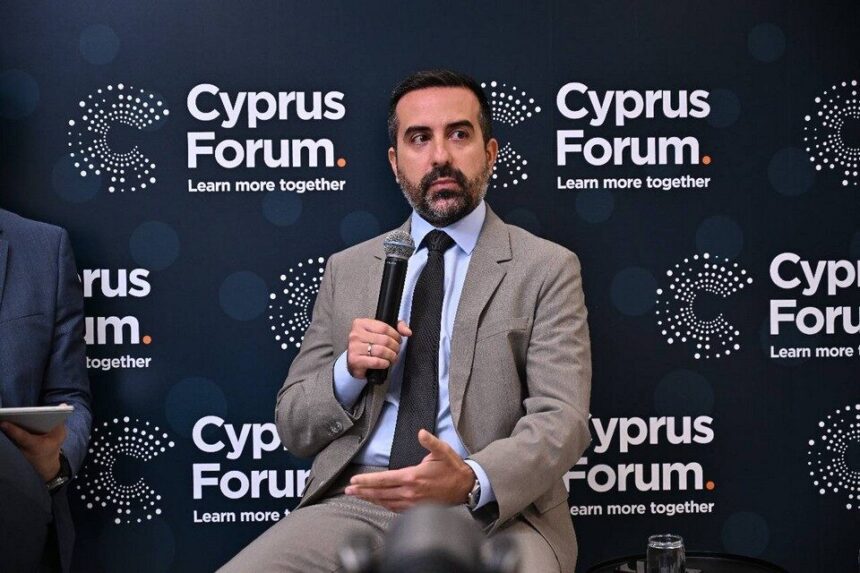
non-eu nationals — Over 150,000 non-EU nationals legally reside in Cyprus for various reasons, including study, work, or family reunification, according to Dr Nicholas Ioannides, the country’s Deputy Minister of Migration and International Protection. During the Cyprus Forum 2025 held on Thursday, Ioannides provided insights into the demographics of migrants in Cyprus and the government’s migration management strategies as the nation prepares for its presidency of the European Union in 2026.
Non-eu nationals: Migration Landscape in Cyprus
Cyprus has become a notable destination for third-country nationals, with more than 150,000 individuals living legally in the country. In addition to this, there are over 30,000 asylum seekers and beneficiaries of international protection currently residing in Cyprus. Ioannides emphasised the importance of effective migration management and the implementation of the new EU migration pact, which aims to standardise and streamline processes across member states.
Key Features of the New EU Migration Pact
The New Pact on Migration and Asylum introduces several critical features aimed at improving the management of migration in Europe. According to Ioannides, the pact provides for:
- A unified management system across EU member states
- Faster procedures for processing applications
- A framework for solidarity and burden-sharing among countries
- Clearer definitions of ‘safe third countries’
- Encouragement of legal migration pathways to fulfil labour market needs
Ioannides stated, “With the new Pact, we acquire a unified management system, faster procedures, and a framework of solidarity. Our effort during the Cypriot presidency will be to ensure its implementation in practice.” This reflects Cyprus’s commitment to aligning its domestic policies with broader European standards.
Public Consultation on Integration Strategy
Another significant aspect of the discussion was the National Integration Strategy, which aims to facilitate the integration of migrants into Cypriot society. Ioannides revealed that this strategy has been finalised and will enter public consultation ahead of its expected approval by the Council of Ministers in November. He noted that integration is a strategic priority, stating, “We are investing in modern infrastructure and a National Integration Strategy that reduces polarisation and empowers those who reside legally, for the benefit of social cohesion and the economy.” This approach is designed to foster a more inclusive environment for both migrants and citizens.
Challenges in Migration Management
Ioannides also addressed the challenges facing Cyprus regarding migration. He highlighted the importance of European support for frontline states and the need to manage illegal trafficking effectively. He remarked, “The EU and international/Union law are not a panacea, but the binding framework within which the Republic of Cyprus and all member states must operate.” Cyprus has been actively working with European partners to monitor and combat illegal trafficking while ensuring the protection of human life.
Relocations and Returns Policy
Since March 2023, more than 2,900 relocations of asylum seekers from Cyprus to other EU member states have occurred. Ioannides described this mechanism as a vital tool that not only alleviates pressure on local infrastructure but also provides better integration prospects for those relocating. Additionally, he noted a significant rise in departures of third-country nationals, with almost 11,000 recorded in 2024 alone. In the first nine months of 2025, departures are nearing 10,000, indicating a trend towards increased mobility among non-EU residents.
The Deputy Minister also pointed out the high rejection rate for international protection applications, which currently stands at approximately 95 per cent. He explained that this rate underscores the need for a viable system that ensures protection is granted to those who genuinely need it.
Investments in Infrastructure
In terms of infrastructure, Cyprus is making considerable strides, particularly in the Limnatis area of Larnaca, where a new reception centre for asylum seekers is nearing completion. This facility will feature modern amenities and is intended to enhance the living conditions for those seeking asylum. Ioannides expressed optimism about these developments, stating that they reflect Cyprus’s commitment to managing migration flows while protecting its borders and effectively examining applications.
The Path Forward for Cyprus
As Cyprus prepares for its future role in the EU, Ioannides is confident that the country will continue to implement targeted integration policies that balance legality with social cohesion. He concluded, “We will continue consistently with our policy of managing flows, protecting borders, effectively examining applications and returns, as well as implementing targeted integration policies, so that legality is combined with social cohesion and European solidarity with administrative effectiveness.” This proactive approach is essential as Cyprus navigates the complexities of migration in an increasingly interconnected Europe.