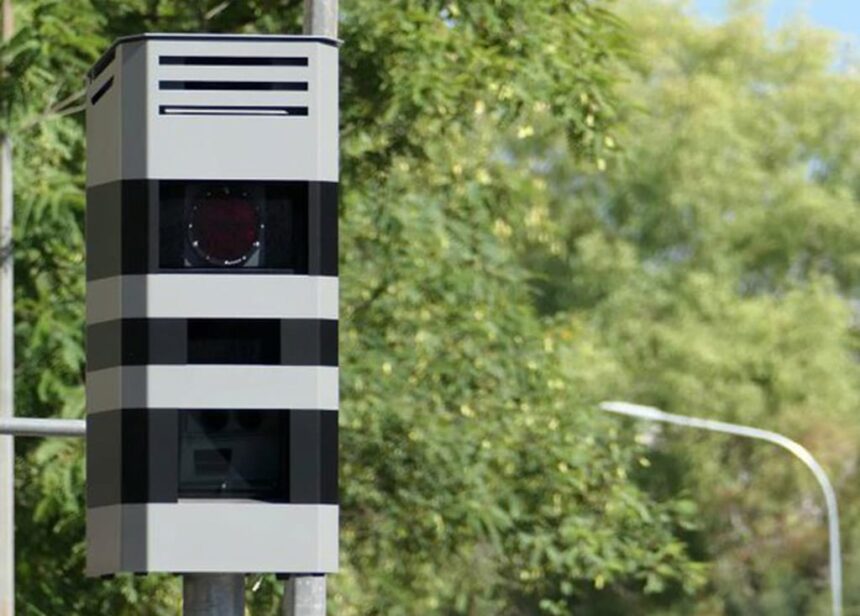
Only one in five attempts to serve traffic camera fines has been successful, according to lawmakers during a hearing on Wednesday. The road transport department presented figures to the House legal affairs committee, revealing that just 20 per cent of approximately 190,000 fines issued through traffic cameras were successfully delivered to motorists.
- The committee plans to revisit this issue in a future meeting, as the effectiveness of the traffic fine enforcement process continues to be scrutinised.
This figure raises significant concerns about the current enforcement process, which relies heavily on the so-called “Photo Radar List.” Fines are typically served at police stations and designated crossing points, but there’s growing apprehension regarding how effectively motorists are notified about outstanding fines. Many drivers may be oblivious to their fines due to incorrect address details.
During the session, officials from the road transport department defended the existing system while also indicating that work is underway to modernise the approach. Draft legislation allowing fines to be served electronically via SMS and email has already completed public consultation and has been with the Law Office for legal vetting since February 4.
Committee members expressed a desire for more transparency regarding outstanding fines and the procedures involved in serving notifications. They raised questions about the potential consequences for motorists who might never receive notification of their fines, particularly if they face court proceedings or penalties due to no fault of their own.
One point of contention was whether motorists could be informed of fines while passing through airports or crossing points. Some lawmakers expressed concern that this could violate existing legislation, prompting a review of the enforcement process.
Justice ministry officials clarified that the “Photo Radar List” is not utilised at airports or ports. They emphasised that outstanding fines are served only at police stations. The system used for document checks at airports is not connected to the fines database, meaning motorists are not flagged during identity checks.
Police representative Harris Evripidou reiterated that fines are served at police stations and authorised locations. He confirmed that outstanding fines do not appear during routine checks at airports and acknowledged that if motorists were informed of fines during passport control, it was a mistake. Evripidou explained that only fines for which previous attempts at service by a private process server had failed are included in the current enforcement process.
A representative from the Law Office noted that the new legislation would allow fines to be served anywhere in Cyprus. However, the practical implementation remains an operational matter for the police and the private process-serving company involved.
The committee plans to revisit this issue in a future meeting, as the effectiveness of the traffic fine enforcement process continues to be scrutinised.