nicosia strike — nicosia strike — Nicosia is bracing for a day of systemic paralysis on Thursday, 18 December, as a simultaneous strike by public school teachers and a tractor blockade by farmers threaten to cut off the city’s primary arteries.
The coordinated industrial action represents a direct challenge to the government’s reform agenda. Teachers are striking to block a controversial evaluation bill that critics claim invites political favouritism. This move could jeopardise the Republic’s access to €60 million in EU Recovery and Resilience Facility funds.
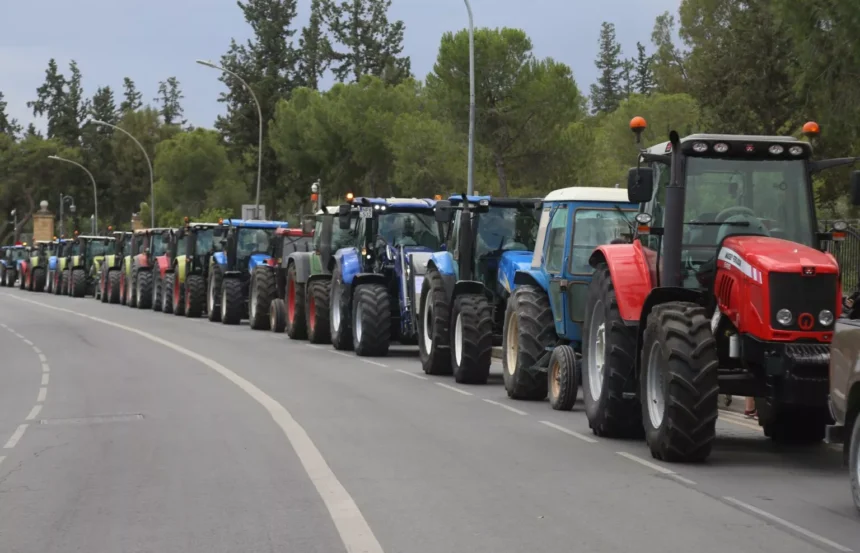
At the same time, hundreds of farmers are expected to converge on the Presidential Palace, protesting against what they describe as “unacceptable” EU agricultural policies that are pushing local producers towards insolvency.
Commuters in Nicosia will face significant disruptions as the double wave of action is timed to coincide with the morning rush hour. The Ministry of Transport has confirmed the complete cancellation of school bus services for over 310,000 residents.
Nicosia strike: Impact on Daily Life
With the strikes set to unfold during peak travel times, parents will have to scramble for alternative transport arrangements for their children. The secondary strike by the teachers’ union OELMEK is scheduled to run from 07:30 to 09:00, while the primary strike by POED will last from 07:30 to 09:05.
In the meantime, agricultural convoys from every district will begin their journey towards the GSP Stadium and the Jumbo car park in Latsia. By 10:30, these convoys will funnel heavy machinery through Athalassa and Iosif Hadjiosif avenues, aiming for a final standoff at “Europe House” on Lord Byron Street.
Voices from the Ground
Teachers and farmers alike are determined to make their voices heard. The teachers argue that the proposed evaluation bill undermines educational integrity and could lead to favouritism in public schools. Farmers, on the other hand, assert that current EU policies are unsustainable and detrimental to local agriculture.
As the day unfolds, it remains to be seen how the government will respond to these significant challenges to its reform agenda. The potential impact on urban travel and public services could be profound, highlighting the growing tensions between policy and public sentiment.