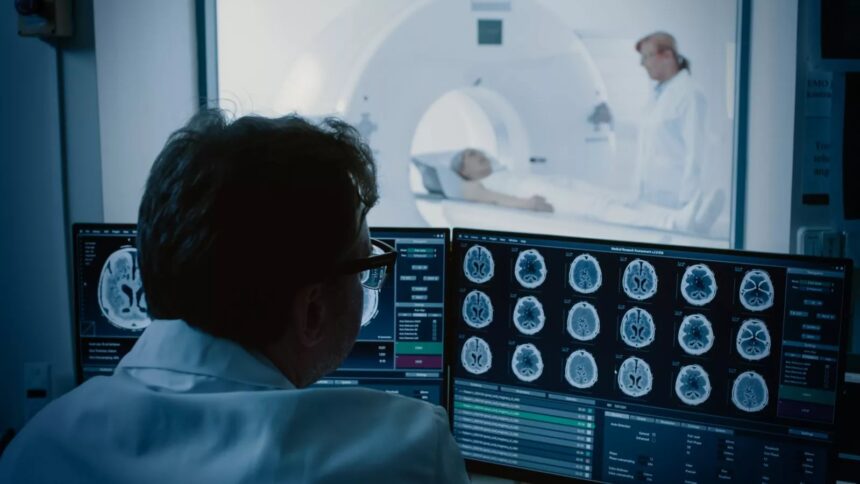
MPs are currently facing intense pressure regarding the proposed legislation to regulate radiology diagnostic centres in Cyprus. Following the first discussion of this bill, tensions have escalated among various stakeholders, including radiologists, radiology technicians, and clinic owners. This has resulted in a flurry of behind-the-scenes manoeuvring, with lawmakers reporting relentless phone calls urging them to take sides.
Radiology diagnostic: Allegations Fueling the Debate
Central to the debate are serious allegations of collusion between doctors and diagnostic centres. Reports have surfaced of referrals being made with handwritten recommendations for specific clinics, which has raised concerns about potential kickbacks and dubious partnerships. As these claims emerge, they have sparked a public discussion about the integrity of the system.
Voices from the Political Arena
AKEL MP Nikos Kettiros described the atmosphere surrounding the bill as one of “intensity bordering on fanaticism.” He underscored the urgency of addressing the issue, stating that some political factions have seized opportunities to profit from the healthcare sector since the launch of the national health system without adequate legislation in place. “Small and large kingdoms have been created, and no one is willing to discuss or change anything that doesn’t suit them,” he remarked.
Kettiros emphasised the importance of prioritising citizens’ health and safety over economic interests. He noted that various complaints have reached MPs regarding specific doctors allegedly directing patients to particular centres for personal financial gain. “If the doctor guides with the aim of personal financial gain, we have a problem. If the doctor guides because he believes a centre has better equipment and its results are more reliable, it’s different,” he explained.
Concerns Over Patient Safety
DISY MP Charalambos Pazaros echoed Kettiros’s sentiments, stating that “patient safety, correct diagnosis, and proper management in cases of complications” must be the sole concern of parliamentarians. He expressed regret over the apparent lack of consensus among stakeholders, highlighting that the absence of willingness to find common ground complicates the legislative process.
Pazaros acknowledged the complexities of the situation, noting that with around 300 diagnostic centres and only 200 radiologists, it would be impossible to cover all centres adequately. “We must see the correct figures and make our decisions as parliament. We must make the decision, and certainly this decision cannot satisfy all the demands of everyone,” he remarked.
The Legislative Path Ahead
The health committee is scheduled to engage with all parties involved to discuss the proposed legislation further. Pazaros affirmed that the bill must ultimately pass into law for the benefit of patients. He pointed out that MPs are recording data and understanding the opposing views, but time is of the essence.
“We also have the option to send the bill back to the ministry and let the health sector wait another 15 years for the issue to return to parliament. That is certainly not our intention or choice,” he stated, reinforcing the urgency for legislative action.
Key Disagreements Among Stakeholders
One of the primary points of contention between radiologists and radiology technologists revolves around the necessity of having a specialist radiologist present during all radiological examinations at every centre. This disagreement highlights the broader issue of ensuring quality and safety in medical diagnostics, which has far-reaching implications for patient care.
Intensifying Lobbying Efforts
As discussions continue, the lobbying efforts from various stakeholders have intensified. Parties are actively seeking to influence MPs to support their positions, with many making daily calls to express their concerns and demands. This relentless pressure underscores the high stakes involved in the regulation of radiology diagnostic centres.
While the proposed legislation aims to establish a regulatory framework for these centres, ensuring that patient safety remains paramount is crucial. The ongoing dialogue among MPs, healthcare professionals, and clinic owners will likely shape the future of radiology diagnostics in Cyprus.
Public Awareness and Accountability
Kettiros has called for substantiation of the complaints being brought forward, emphasising that transparency is vital for public awareness. “We haven’t substantiated them, but they need to be substantiated so the public knows what’s happening,” he said, urging for accountability in the system.
As the debate unfolds, the urgency of the situation is palpable, with both MPs acknowledging the need for a balanced approach that safeguards patient interests while addressing the concerns of healthcare professionals. The coming weeks will be critical in determining the trajectory of the legislation aimed at regulating radiology diagnostic centres.