Mosquito-borne diseases are becoming a pressing public health issue in Europe, according to Health Minister Neophytos Charalambides, who spoke at a conference in Nicosia on Wednesday.
- Mosquito-borne diseases are becoming a pressing public health issue in Europe, according to Health Minister Neophytos Charalambides, who spoke at a conference in Nicosia on Wednesday.
Charalambides highlighted the alarming role of climate change, environmental pressures, and increased global movement in reshaping the landscape of these diseases. Conditions such as dengue, chikungunya, Zika, and West Nile virus are no longer viewed as distant threats but rather as immediate concerns that demand increased vigilance.
The conference, part of Cyprus’ EU presidency, brought together experts and policymakers from across Europe to address this growing challenge. Charalambides pointed out that mosquito-borne illnesses exemplify the health impacts of climate change, with rising temperatures and shifting demographics creating an environment conducive to the proliferation of disease-carrying mosquitoes.
Cyprus, due to its geographic location and climate, finds itself particularly vulnerable. The minister stressed the importance of preparedness ahead of potential outbreaks, advocating for investments in surveillance, research, laboratory capacity, and effective mosquito-control strategies.
“We must view mosquito-borne diseases as a strategic European challenge,” Charalambides urged, noting their potential impacts on tourism, agriculture, infrastructure, and overall social wellbeing.
Ole Heuer from the European Centre for Disease Prevention and Control echoed these sentiments, warning that Europe is facing a “new reality” regarding vector-borne disease epidemiology. While the current situation remains manageable, Heuer cautioned that failure to act could lead to significant outbreaks in the future.
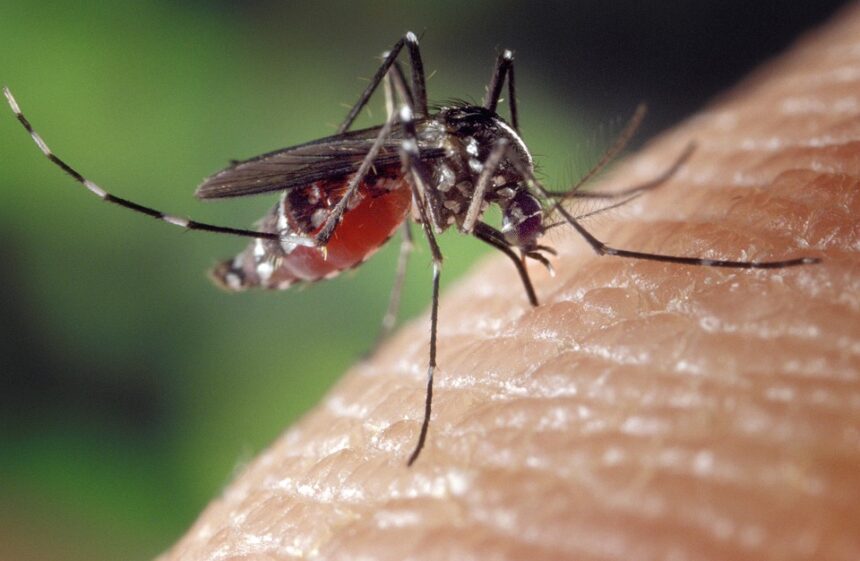
Heuer elaborated that geography is no longer a protective factor against these diseases, with northern Europe now at risk and southern countries experiencing increasing pressure. He identified climate change, globalisation, and ecological shifts as key drivers behind the expansion of mosquito populations, particularly species such as Aedes albopictus and Aedes aegypti, which have already spread across large parts of the EU.
Challenges remain, including limited biocides, rising insecticide resistance, and varying levels of preparedness among EU member states. Heuer emphasized that effective surveillance is vital, as public health action relies heavily on accurate and timely data.
Improved predictive modelling, enhanced mosquito-control expertise, and effective public communication are essential components for fostering community participation in mitigating this threat. The conference aims to address various aspects of this issue, including epidemiology, surveillance, mosquito-control methods, and communication strategies to strengthen Europe’s response to emerging public health threats.