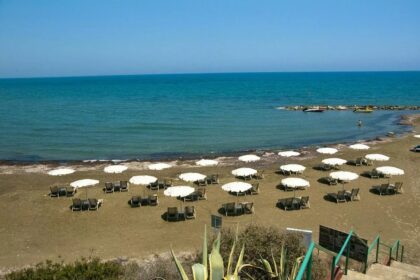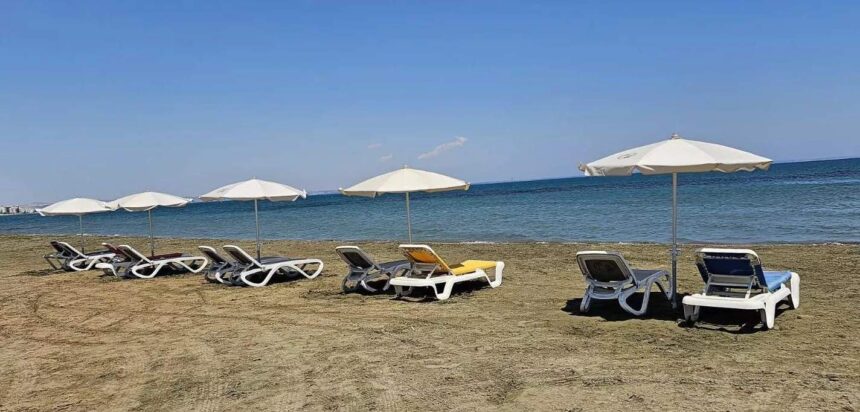
Microplastics on Cyprus beaches have been a documented issue for years, according to the AKTI Project and Research Centre, countering recent media narratives suggesting a “new detection” of the problem. The centre emphasised that it has been systematically researching the presence of microplastics along the island’s coastlines since 2022, employing continuous sediment sampling at ten coastal sites and conducting laboratory and microscopic analyses.
Years of Monitoring Reveal Persistent Pollution
AKTI’s extensive research has shown that microplastics have been consistently detected at every monitored beach, regardless of their geographic orientation. The types of microplastics found include a diverse range of fragments, fibres, films, pellets, and foam plastics, with both coloured and transparent varieties noted in the samples.
Concentration Levels at Key Sites
Among the data collected, the most heavily impacted site revealed an alarming average concentration of up to 6,000 microplastic particles per square metre. This statistic underscores the urgent need for continued research and action regarding plastic pollution in the Mediterranean Sea.
Seasonal Variations in Microplastic Presence
The AKTI research also identified distinct seasonal peaks of microplastic presence, notably in December and March. The centre attributed these fluctuations to the effects of sea currents and varying weather conditions, which influence the transport of microplastics to the shores.
The Mediterranean’s Vulnerability
Highlighting the Mediterranean’s precarious position, AKTI noted that it ranks among the most vulnerable seas globally in terms of plastic pollution. The centre called for a comprehensive approach to tackling this issue, stressing that solutions cannot be confined to reactive measures when pollution becomes visible. Instead, a commitment to continuous monitoring, scientific documentation, and proactive prevention strategies is necessary. This includes reduced primary plastic production and reforms in packaging policy.
Complementary Research Findings
A peer-reviewed study published in the Journal of Environmental Chemical Engineering supports AKTI’s findings, asserting that the sea is the primary source of microplastic pollution on Cyprus beaches, rather than rivers or coastal runoff. This study sampled 16 sites along approximately 500 km of coastline during spring and autumn 2022.
Key Findings from the Peer-Reviewed Study
- Approximately 69% of the shorelines were found to be susceptible to sea-based debris.
- Only 6% of the pollution was attributed to land-based inputs.
- A quarter of the shorelines surveyed were heavily impacted by marine-derived plastic pollutants.
Lead author Dr. Ioannis Savva noted, “Our results indicate that fragmented plastics found onshore primarily originate from the marine environment, rather than from rivers or coastal runoff.” He highlighted the importance of adapting management strategies to address this issue effectively.
Densities and Types of Microplastics Detected
The research further revealed that microplastic densities averaged 336 particles per square metre, with some samples peaking at 4,020 particles per square metre. Mesoplastic densities were noted to average 107.5 particles per square metre. Low-density polymers such as polyethylene, polypropylene, and polystyrene were frequently detected, which corresponds with their tendency to float on the sea surface and be carried by ocean currents.
Emerging Data on Concentrations
In a follow-up study currently in preparation, researchers have recorded even higher concentrations of microplastics, reaching up to 20,600 particles per square metre. This ongoing research underscores the gravity of the situation and the necessity for sustained efforts to monitor and mitigate plastic pollution.
Call for Comprehensive Action
As the data accumulates, it is increasingly clear that addressing microplastic pollution on Cyprus beaches requires a multifaceted approach. Stakeholders are urged to consider long-term strategies that encompass prevention, monitoring, and legislative action aimed at reducing plastic production at its source.
The AKTI Project and Research Centre’s findings serve as a crucial reminder that while media reports may highlight the issue as new, the reality is that microplastics have long been a persistent challenge for policymakers and environmental advocates in Cyprus. With a collaborative effort, it is possible to make strides towards a cleaner, healthier marine environment.