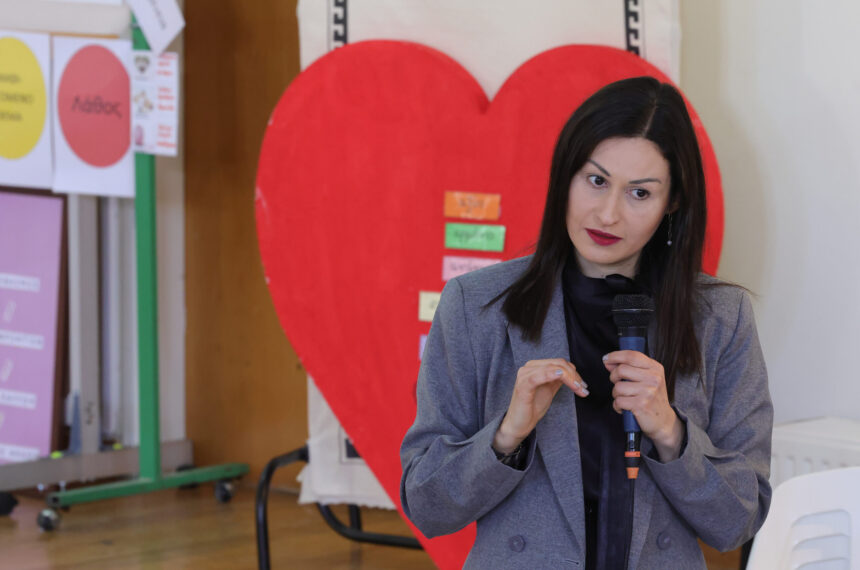
Agriculture Minister Maria Panayiotou highlighted the necessity of the European Green Deal during her visit to Latsia high school in Nicosia on Friday.
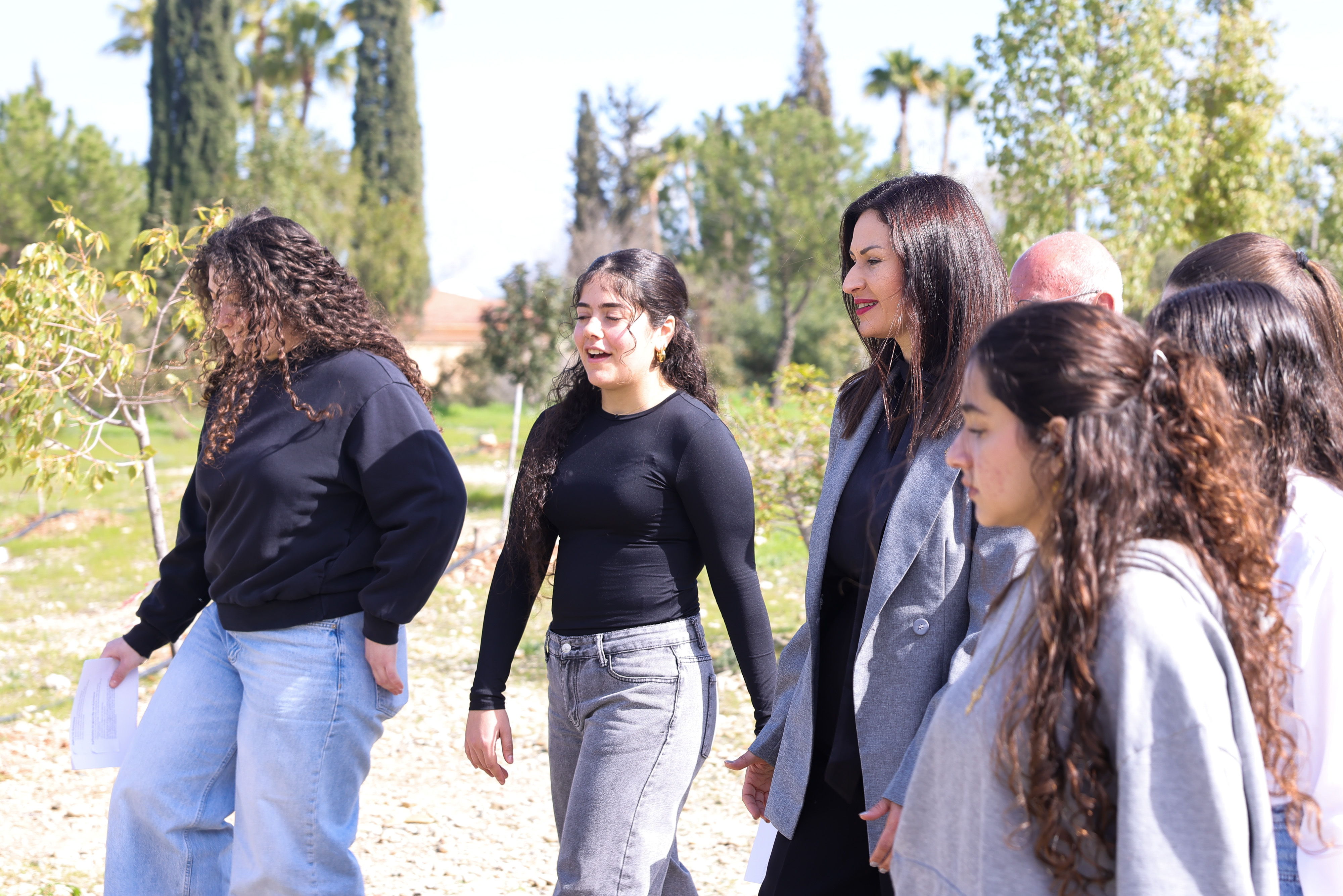
Photo: cyprus-mail.com
- Agriculture Minister Maria Panayiotou highlighted the necessity of the European Green Deal during her visit to Latsia high school in Nicosia on Friday.
- Describing the European Green Deal as “ambitious but necessary,” she affirmed that it represents “not a luxury agenda, but a collective obligation towards the present and the future.”
- Thanks to the European Green Deal, citizens across Europe are experiencing cleaner air, more energy-efficient products, and increased access to renewable energy sources.
Speaking to students, she asserted that advancing environmental policies is “not just an option.” Her ministry noted that education plays a pivotal role in fostering environmental awareness and encouraging the participation of young people in creating a sustainable future.
During the visit, Panayiotou engaged in an interactive discussion with students, who voiced their questions and concerns regarding climate change, the European Green Deal, and the challenges they face.
Panayiotou remarked that the EU has established a comprehensive legislative framework to tackle climate change and its impacts. “The crucial issue today is its implementation, with the aim of achieving climate neutrality by 2050,” she stated.
In addressing the specific challenges faced by Cyprus, she stressed the need to enhance the island’s recycling capabilities and tackle water scarcity. The government’s strategy to combat water scarcity, as articulated by Panayiotou, is built on three pillars: developing infrastructure such as desalination, minimising losses in the water network, and encouraging water conservation.
Describing the European Green Deal as “ambitious but necessary,” she affirmed that it represents “not a luxury agenda, but a collective obligation towards the present and the future.”
The European Green Deal serves as a broad EU policy initiative aimed at reducing carbon emissions by at least 50% by 2030 and achieving climate neutrality by 2050. This legally binding goal is supported by the European Commission, which asserts that the deal promotes a clear transition that protects both people and the planet while remaining economically viable and socially equitable.
The Green Deal has already seen significant investment, with €275 billion allocated to clean energy initiatives, alongside measures affecting agriculture, transport, industry, and finance. It aims to ensure that communities most affected by the transition benefit from a just shift towards greener practices.
Thanks to the European Green Deal, citizens across Europe are experiencing cleaner air, more energy-efficient products, and increased access to renewable energy sources.