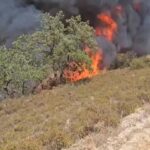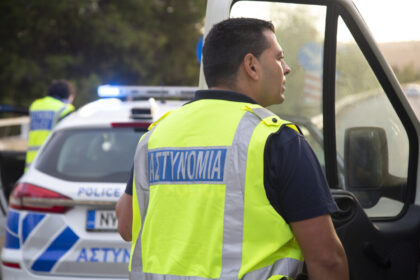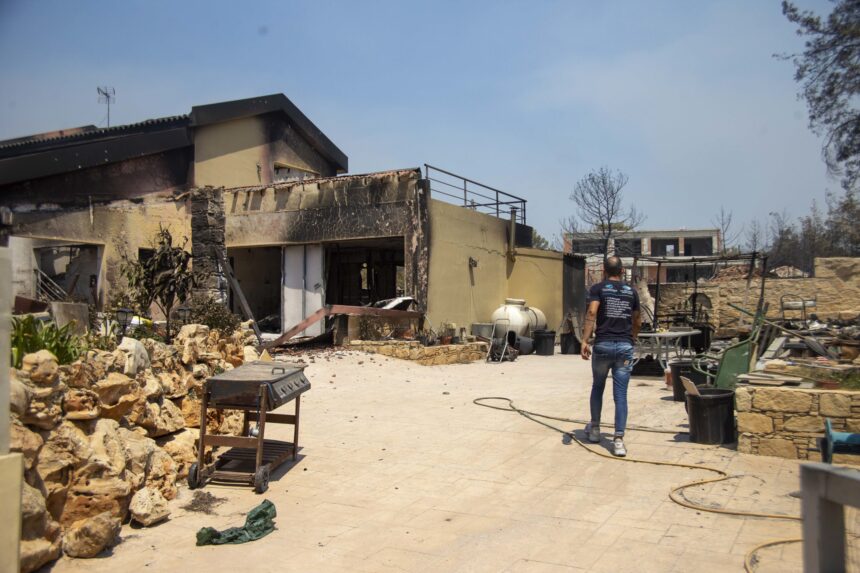
The focus keyword, Limassol fire, has been at the centre of recent scrutiny as police acknowledge significant deficiencies in their fire investigation capabilities. Following a thorough review of their response to the deadly blaze, officials admitted that their operational failures were compounded by a lack of specialised knowledge among officers.
Deputy Police Chief Panikos Stavrou addressed parliament, revealing that investigators are ill-equipped to handle fire investigation procedures effectively. This admission came as part of a broader discussion about the numerous errors identified during the response to the fire.
Despite ongoing speculation, police have not confirmed any arson claims related to the Limassol fire. Stavrou mentioned that the force has processed 13 pieces of information concerning the wildfire, yet no relevant testimonies have been secured against any individual.
In addition to the Limassol fire, the police are also investigating complaints regarding other fires across Cyprus. Stavrou stated that, at this moment, there is no concrete evidence pointing to asymmetric threats.
Limassol fire: Operational Shortcomings in Emergency Response
During the review, specific shortcomings in the emergency response to the Limassol fire were outlined. One notable issue was the unauthorised entry of personnel into the Mobile Command Station, which hindered the work of those responsible for coordinating the response. Stavrou highlighted that such unauthorised presence complicates the operational efficiency at critical moments.
Additionally, inadequate media management protocols were identified as a key deficiency. Authorities determined that journalists should be kept at a distance from coordination centres and command stations, which should be supervised by police or fire service personnel.
Another significant challenge was the disruption of internet services due to fire damage to various antennas. To mitigate future issues, police have recommended the installation of permanent satellite internet servers at the Mobile Command Station, ensuring reliable connectivity during emergencies.
Critical Gaps in Medical and Social Services
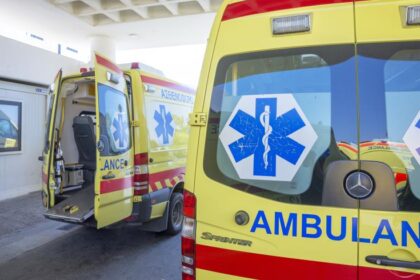
The review also revealed alarming gaps in medical and social services during the fire response. Notably, no ambulances were present at the scene, despite numerous emergency calls for medical assistance received at the Limassol Crisis Management Centre. Officials have concluded that having ambulances readily available at fire scenes is essential for effective emergency response.
Moreover, social welfare service contact information was unavailable when citizens sought emergency accommodation through Limassol police. While representatives from HOPE FOR CHILDREN assisted at the Crisis Management Centre, the review suggested that they should operate from separate spaces to enhance communication with affected citizens.
Essential Training and Collaboration Improvements
The findings from the review underscore the pressing need for joint training programmes between police and fire service personnel involved in fire investigations. Deputy Chief Stavrou acknowledged that current investigators lack the necessary specialised knowledge for effective examination of fire scenes.
As authorities continue to grapple with the aftermath of the Limassol fire, the hope is that these revelations will lead to significant improvements in both training and operational protocols, ensuring a more effective response to future incidents.