environmental pressure — Environmental pressure on Cyprus is becoming increasingly evident as 2025 draws to a close. The island has faced a challenging year marked by extreme weather conditions and significant ecological issues.
Environmental pressure: Record Temperatures and Water Scarcity
This summer saw record-breaking temperatures, with the mercury soaring above 45 degrees Celsius. Such heat has exacerbated existing concerns over persistent water scarcity, threatening both local farming and drinking water supplies. The impact of climate change is palpable, prompting urgent discussions about sustainable practices and resource management.
Forest Fires and Flooding
The Limassol forest fires in July were a stark reminder of the environmental challenges Cyprus faces. These devastating fires left a lasting impact on the landscape and the ecosystem. In contrast, heavy rainfall later in the year led to flooding in various regions, highlighting the unpredictability of weather patterns and their consequences.
Waste Management Crisis
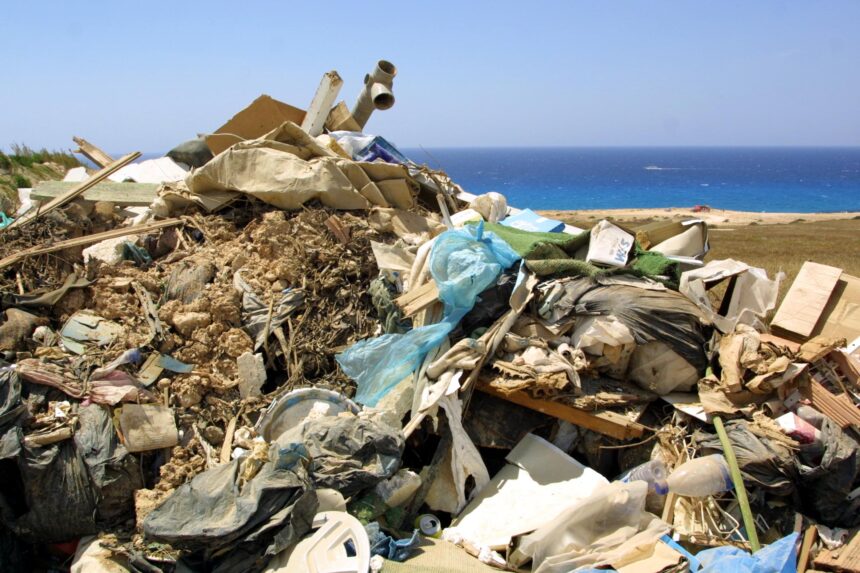
Paphos has reported at least 540 illegal rubbish dumps. Disturbingly, office furniture from governmental sources was found improperly discarded in Yeri. An audit revealed financial mismanagement within the sustainable development plan for Akamas, while sandy beaches have become increasingly littered with plastic.
Government Action and Accountability
Despite these pressing issues, progress has been slow. An audit published in August 2025 highlighted a reluctance from the Cypriot government to adopt immediate measures against environmental violations. The European Commission has launched ten active infringement procedures against Cyprus regarding its environmental policies, signifying a critical need for reform.
EU Involvement and Systemic Issues
Concerns about compliance with EU directives have been raised repeatedly. BirdLife campaign coordinator Tassos Shialis noted a systemic abuse of environmental assessment protocols in Cyprus, which has prompted the European Commission to intervene. The infringement cases range from the mismanagement of landfills to inadequate waste and emissions regulations.
Government’s Response to Disasters
In a televised address following the Limassol wildfires, President Nikos Christodoulides acknowledged the government’s shortcomings. He pledged to investigate the failures that led to such disasters and promised transparency in the findings. However, criticisms arose regarding the government’s decision to transfer forest firefighting responsibilities to the interior ministry, with concerns about its potential adverse effects on operational efficiency.
Challenges in Waste Management
During a recent budget debate for 2026, Ecologists Movement MP Charalambos Theopemptou highlighted Cyprus’s ongoing failures in waste management and energy policy. Nearly two years after the EU set a deadline for separate collection of organic waste, the implementation remains insufficient. With organic waste comprising about 40 per cent of household rubbish, the lack of a comprehensive waste management system is alarming.
Infrastructure Developments and Oversights
As Cyprus prepares for its rotating presidency of the EU council, previously stalled projects have been hastily completed. While new bus stops have been constructed, they lack basic amenities like rubbish bins, leading to litter accumulation. The effectiveness of these developments in encouraging public transport use remains questionable.
Public Responsibility and Environmental Awareness
The Limassol fires, reportedly ignited by a discarded cigarette, raise questions about public responsibility in environmental stewardship. The government has a responsibility to educate the public and enforce regulations against littering and waste disposal. Making environmental issues a priority is essential for fostering a culture of accountability and sustainability.