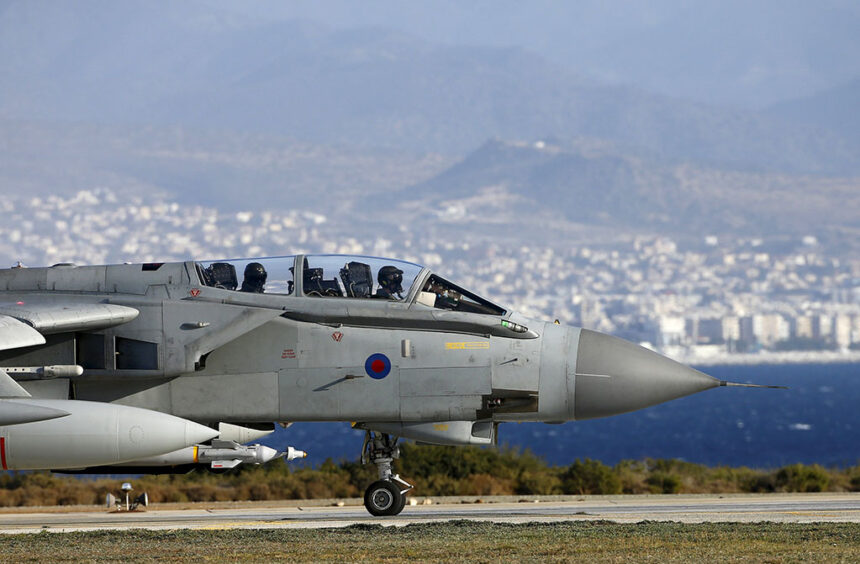
The presence of British bases in Cyprus has drawn sharp criticism from legal groups who describe them as a colonial legacy. The European Lawyers for Democracy and Human Rights (ELDHR) and the Cyprus Democratic Lawyers Association (CDLA) issued a joint statement on Saturday condemning the continued existence of the bases in Akrotiri and Dhekelia, established in 1960 as a condition for Cyprus’ independence.
British bases: Imposed Sovereignty and Legal Concerns
According to the organisations, the bases were imposed without the free consent of the Cypriot people, characterising the situation as a form of imperialism rather than self-determination. “This was not self-determination. It was imperialism in a new legal form,” they stated, arguing that Britain’s claims of sovereignty over these territories are legally and politically void.
International Precedents and Legal Arguments
The ELDHR and CDLA highlighted a significant comparison with the 2019 advisory opinion from the International Court of Justice regarding the separation of the Chagos archipelago from Mauritius. The court found this detachment illegal, stating it was “not based on the genuine will of the people,” which the legal groups believe strengthens their argument against the British bases.
Fragmentation of Cypriot Territory
The organisations contend that the British bases fragment Cyprus’ territory and expose the island to external conflicts. They called on the Cypriot government to cease its tolerance of the bases, clarify the steps necessary for their removal, and assert Cyprus’ rights under international law.
Calls for Decolonisation
“Cyprus has every right to challenge this colonial legacy in international forums and demand complete decolonisation,” the joint statement declared. This call for action echoes sentiments from various political leaders within Cyprus, including the leader of the opposition party, Akel, Stefanos Stefanou, who has previously reiterated calls for the abolition of the bases, stating they have turned Cyprus into a target.
Political Perspectives on the Bases
Former president Nicos Anastasiades, however, has suggested that discussions regarding the future of the bases are premature. He argued that any reassessment should follow a political settlement to the ongoing Cyprus problem. Anastasiades acknowledged that the Mauritius precedent could bolster Cyprus’ legal arguments regarding the bases but noted that past experiences indicate British authorities have historically not supported Cypriot positions.
Historic Agreements and Current Relations
He referenced a 2014 agreement with then British Prime Minister David Cameron, which resulted in the return of some land within the bases for development purposes. This historical context illustrates the complex relationship between the UK and Cyprus, particularly concerning land and sovereignty issues.
Regional Tensions and Security Concerns
Defence Minister Vasilis Palmas stated that Cyprus itself has not faced direct threats from regional tensions, clarifying that any warnings pertained specifically to the British bases. “It was not the Republic of Cyprus that was threatened, but the British bases,” he said, emphasising the need for preventive measures to protect public safety and infrastructure.
International Military Presence
The geopolitical dynamics have shifted recently, with UK and allied forces, including military assets from France, Greece, Italy, Spain, and the Netherlands, deploying to the region following recent security incidents. This presence highlights the strategic importance of the British bases, both to the UK and its allies, in the context of regional stability.
Community Sentiments and Future Discussions
Public opinion in Cyprus remains divided over the issue of the British bases. While some citizens support the presence of UK forces as a stabilising factor, others view it as a remnant of colonial rule that undermines Cypriot sovereignty. The debate continues as to how best to approach the future of the bases and the broader implications for Cyprus’ independence.
Moving Forward
As discussions surrounding the bases evolve, it remains clear that the legal and political complexities are far from resolved. The call for decolonisation and the assertion of rights under international law may pave the way for future negotiations. The legal groups’ condemnation of the bases adds a significant layer to the ongoing discourse about Cyprus’ sovereignty and independence.