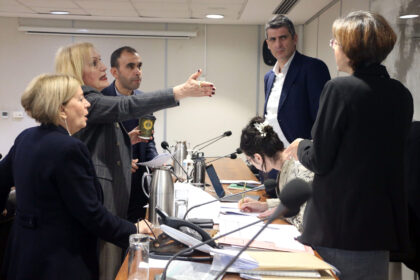
The plight of a Lebanese family of eight, including six children, highlights the ongoing challenges faced by vulnerable migrants in Cyprus as they await deportation. This family arrived in Cyprus in 2022 and is currently living on the street, a situation that has drawn the attention of MPs during a recent meeting of the House human rights committee.
Lebanese family: Unbearable Conditions for Vulnerable Families
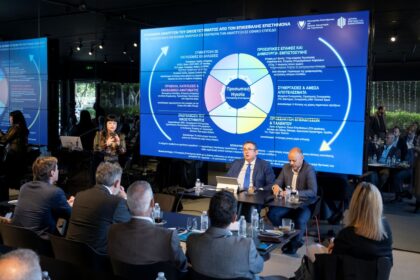
During the meeting, Akel MP and committee chair Irene Charalambides brought the family’s situation to light, stating that many homeless families and vulnerable individuals in Cyprus are enduring unbearable conditions. The committee requested a detailed report from relevant state services regarding the management of housing for vulnerable families with minor children when their repatriation is imminent.
Confusion Surrounding the Family’s Status
A police representative present at the committee meeting claimed that the family had been offered accommodation at the Kofinou migrant centre. However, Charalambides strongly refuted this assertion, explaining that the family was initially placed in a hotel but left without food, prompting their current situation on the streets.
Charalambides called on the deputy migration ministry to provide clarity on the matter, warning that the family may seek legal recourse through the European Court if their conditions do not improve. Deputy migration minister Nicholas Ioannides described the situation as “tragic,” affirming that the safeguarding of migrant rights is a top priority for his ministry.
Families Struggling with Bureaucratic Processes
According to Ioannides, the family had previously withdrawn their application for protection as they intended to relocate elsewhere. However, they have since changed their minds and now wish to apply for asylum in Cyprus. Due to this change, confusion ensued regarding their status, leading to their current request for repatriation to Lebanon.
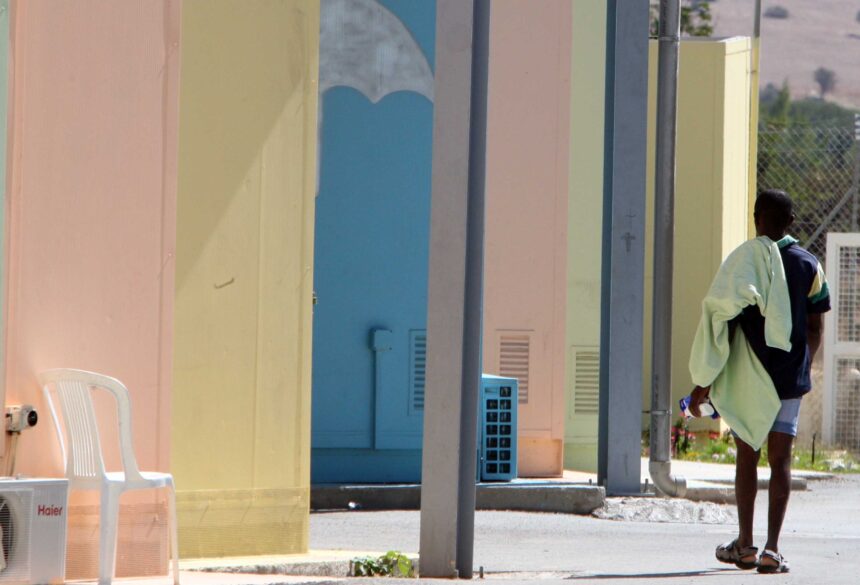
Ioannides insisted that this case is isolated and emphasised the need for improved processes. He acknowledged the situation is unacceptable and mentioned that new centres compliant with EU standards are being constructed, which will include designated areas for those awaiting deportation.
Shared Experiences Among Other Families
During the discussion, other members of the committee highlighted that the Lebanese family’s struggles are not unique. Accounts from various representatives indicated that multiple families are experiencing similar hardships, often living in appalling conditions without adequate state support.
Akel MP Giorgos Koukoumas expressed concern regarding “rigid bureaucratic procedures” that hinder the timely assistance of vulnerable individuals. Disy’s Rita Superman added that the state has a duty to ensure the welfare of these families, particularly when children are involved.
Independent MP Alexandra Attalides underscored the urgency of the situation, arguing that state services must adapt their operations to address humanitarian issues at all times, not just during regular office hours. She stressed that these are not merely bureaucratic matters; they are urgent humanitarian crises that demand immediate attention.
Path Forward for the Family and Others Like Them
The case of the Lebanese family serves as a critical reminder of the wider challenges faced by many migrants in Cyprus. With systemic issues highlighted during the committee meeting, there is hope that increased attention will be paid to reforming existing procedures to better support vulnerable families.
As the government continues to navigate these complex issues, the need for compassion and effective action remains paramount. The story of this family, while particularly poignant, reflects a broader narrative of struggle and resilience among migrants seeking a better life.
Moving forward, it is essential that state services listen to the concerns raised by MPs and implement changes that ensure the rights and welfare of vulnerable families are protected. Only then can we hope to see a more humane approach to migration and support for those in need.