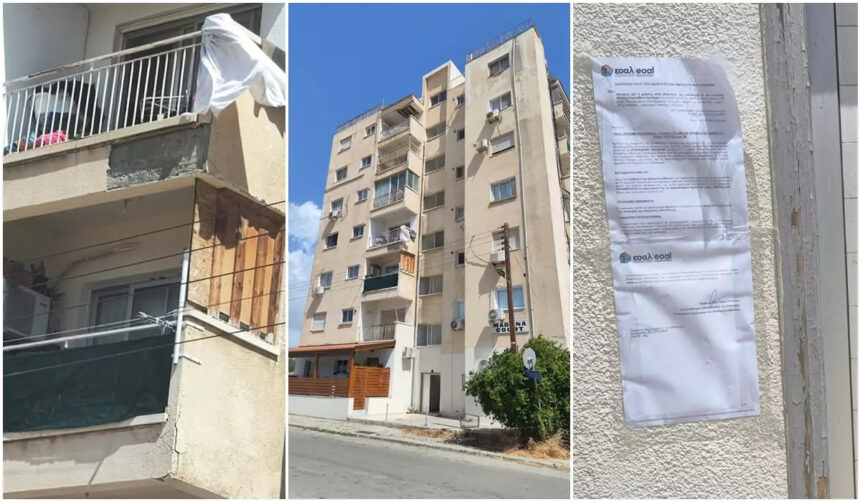
The register of dangerous buildings in Larnaca has now expanded to include 1,084 properties, as the District Local Government Organisation (DLGO) intensifies its efforts to ensure public safety.
- The register of dangerous buildings in Larnaca has now expanded to include 1,084 properties, as the District Local Government Organisation (DLGO) intensifies its efforts to ensure public safety.
Dangerous buildings: Comprehensive Action Plan Underway
DLGO Larnaca has implemented a comprehensive action plan aimed at registering, assessing, and managing potentially hazardous buildings across the district. Originally, the organisation assumed responsibility for a register of 563 buildings identified as potentially dangerous by previous authorities. This systematic updating has revealed a much larger scale of the issue.
Assessment and Inspections
As part of its ongoing assessment, DLGO Larnaca has assigned 310 visual inspections to qualified private civil engineers. To date, 228 technical reports have been completed and are currently under review by the Dangerous Buildings Department. Out of these assessments, 204 buildings have been classified as dangerous, with 116 of those categorised as presenting a severe risk of collapse.
Risk Mitigation Actions Taken
DLGO Larnaca has already undertaken 31 risk-mitigation actions. These actions include erecting fences around dangerous buildings, either by DLGO or by the property owners themselves. In addition, three buildings have been demolished at the owners’ request following DLGO intervention, and several owners are actively working with engineers to implement risk-mitigation measures after being notified by the organisation.
Progress in Declaring Buildings as Dangerous
The process of formally declaring buildings as dangerous is also advancing. To date, eight buildings have officially been declared dangerous, with notifications and necessary postings served to the owners. Furthermore, ten additional buildings are in the advanced stages of declaration. In one notable case, a temporary evacuation order was issued due to owners failing to comply with DLGO’s instructions regarding safety measures.
A Structured Management Approach
DLGO Larnaca’s management of dangerous buildings follows an integrated operational framework. This includes the digital updating of the register, visual inspections by specialist civil engineers, assessment of technical reports, and categorisation of buildings by risk level. Each step leads to decisions on declarations, notifications to owners for immediate risk mitigation, and enforcement measures when necessary. This can include both administrative actions and judicial procedures in the event of non-compliance.
Cost of Risk Mitigation
According to the technical assessments completed thus far for 209 buildings, the estimated cost for the required risk-mitigation measures stands at approximately €5.94 million. This figure underscores the significant challenge DLGO Larnaca faces in addressing the safety of these structures.
Community Involvement Requested
DLGO Larnaca has urged building owners to cooperate with the relevant authorities promptly, respond to notifications, and take the necessary steps to eliminate risks associated with their properties. Moreover, the organisation encourages citizens to report any buildings they suspect might have structural problems or pose risks to public safety. Prompt reporting allows for timely inspections and interventions.
Commitment to Public Safety
“The protection of human life and public safety is the highest priority for DLGO Larnaca,” the organisation stated. They reaffirm their commitment to consistently implementing their management plan, enhancing inspections, and collaborating with all stakeholders to effectively tackle the pressing issue of dangerous buildings in the district.