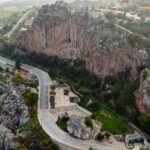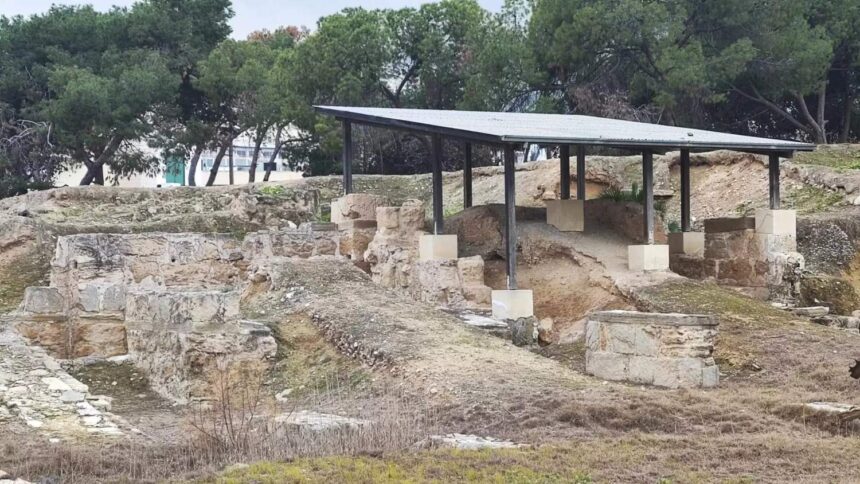
Larnaca’s €4 million archaeological park project remains stalled due to ongoing bureaucratic delays, two years after initial procedures began. Officials have yet to provide a start date for construction, which was originally set to commence in 2024. The project aims to connect various archaeological sites of ancient Kition, linking the Archaeological Museum with the ancient harbour and Agios Neofytos Street, where a significant mosaic depicting the Labours of Heracles was uncovered during sewage works in 2016.
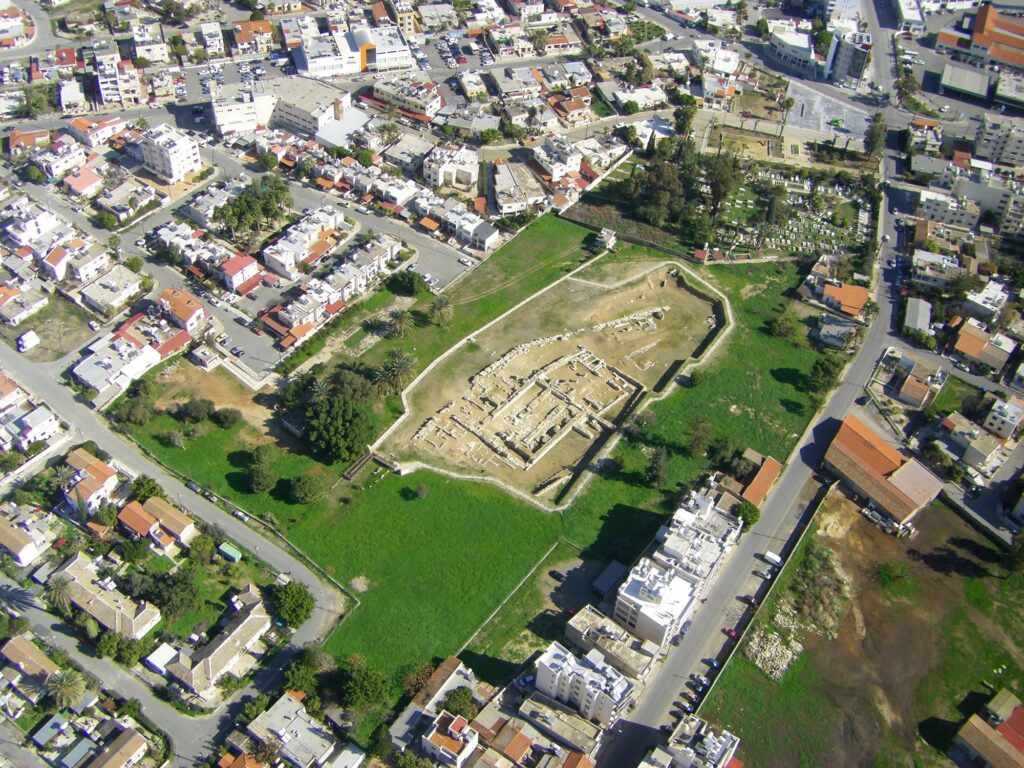
Photo: in-cyprus.philenews.com
Archaeological park: Obstacles from Property Expropriations
According to the Deputy Ministry of Culture, two of the four required property expropriations are still incomplete. Initially, property owners filed objections to the expropriations, which were rejected by the Cabinet two years ago. Subsequently, the owners appealed to the Administrative Court, but the case has yet to be heard, further delaying the project.
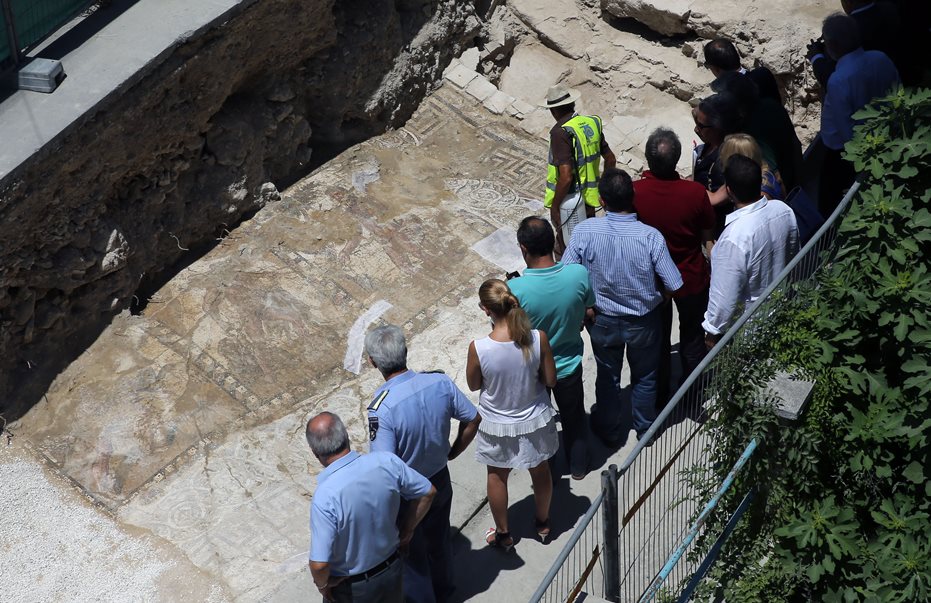
Photo: in-cyprus.philenews.com
Impact on Project Progress
The architectural competition for the park cannot proceed until all four expropriations have been finalised, the ministry stated. Officials have urged the Larnaca Tourism Development and Promotion Company (ETAP) and local authorities to engage with property owners to facilitate progress on a project that promises to benefit the entire city.
Timing Concerns Amid Cultural Recognition
The delays have significant implications for Larnaca, especially as the city has been designated a European Capital of Culture. There are concerns that without timely action, Larnaca may miss the opportunity to showcase some of its most valuable archaeological treasures by the year 2030. Reports indicate that these concerns were highlighted in a piece by Phileleftheros, which has been actively covering the situation since January 2025.
Frustration from Local Authorities
ETAP Larnaca has expressed mounting frustration over the stagnation of the project. In a pointed announcement to the Deputy Minister of Culture, they remarked that the situation has been “stagnant for years.” Despite a positive political climate, they lamented the Department of Antiquities’ refusal to advance necessary steps, resulting in a complete standstill.
Complications from Recent Developments
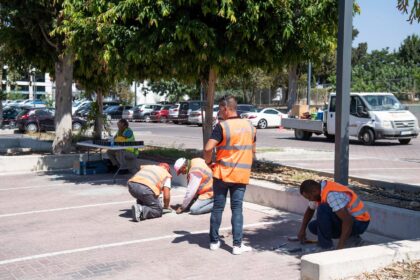
Adding to the complications, a house near the Heracles mosaic site was demolished in autumn 2025, resulting in flooding due to heavy rainfall. The Department of Antiquities has requested that Larnaca Municipality conduct drainage works and provide excavation workers for the site. The mayor has announced that the drainage works were completed by the Provincial Organisation of Local Government Larnaca, yet he was not aware of any request for workers.
Phased Execution Proposal
In an attempt to expedite the project, the mayor has proposed a phased execution, suggesting that the ancient harbour should be opened first as an interim measure. This area has had no public access since the removal of tennis courts in 2020. However, the ministry has rejected this phased approach, citing “insurmountable technical difficulties” and arguing that partial implementation would not provide the benefits anticipated for the city.
Challenges Facing Other Archaeological Projects
The delays affecting the archaeological park are not isolated. Other projects in Larnaca are also experiencing setbacks. For instance, a burial chapel of Agios Therapon, discovered near a petrol station, remains inaccessible. The ministry has expressed hope for a “generous relocation” of the petrol station and car wash currently operating above this funerary monument.
UNESCO Aspirations Hampered
Larnaca’s application to have the Church of Panagia Angeloktisti included on UNESCO’s World Heritage List, submitted in 2025, faced a negative preliminary assessment. The ministry has committed to revisiting the application with stronger arguments and preparing a candidacy file. A separate proposal for Hala Sultan Tekke will be evaluated at a later time, with priority given to the Angeloktisti inclusion.
The ongoing challenges surrounding Larnaca’s archaeological park and other heritage projects underscore the complexities of navigating bureaucratic processes in the realm of cultural preservation. As the city strives to enhance its cultural offerings and attract tourism, the resolution of these issues will be crucial.