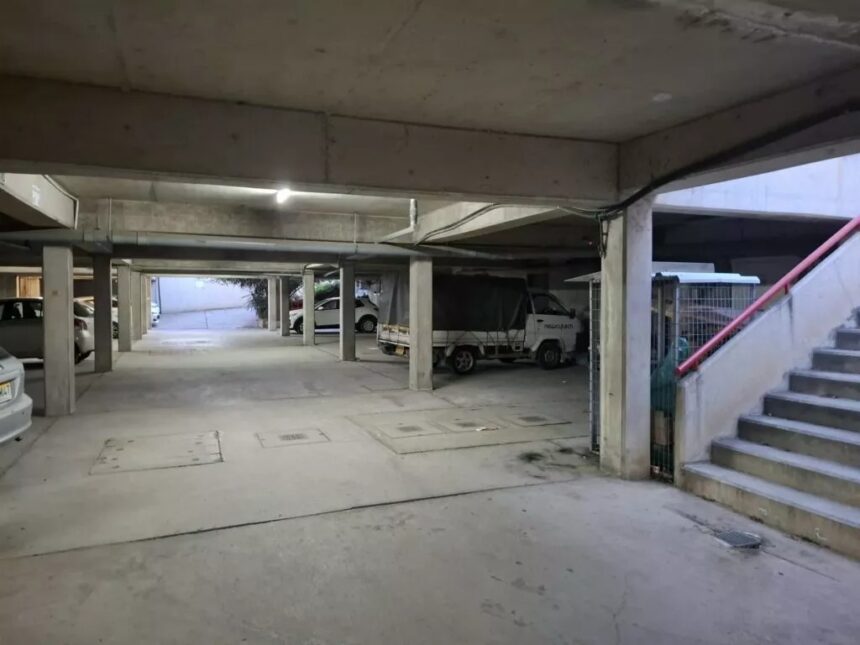
Cyprus’s Interior Minister is set to propose a new initiative at the upcoming Cabinet meeting, aiming to require new apartment buildings to designate basement spaces as civil defence shelters. This move is part of the government’s broader strategy to enhance the island’s shelter network, with a goal of protecting 45% of the population.
Civil defence: Mandatory Basements for New Developments
The proposal, which has been under consideration for several months, seeks to make the provision of basement shelters a mandatory requirement for newly constructed apartment blocks. This change comes in response to ongoing concerns about the adequacy of existing shelter facilities.
Incentives for Developers
To encourage compliance, developers who incorporate these shelters into their buildings will benefit from an additional 5% building coefficient, allowing for an increase of up to 50 square metres in their construction plans. Shelters will also need to include basic amenities such as toilets and access to drinking water, ensuring they meet minimum safety standards.
Inspection of Existing Shelters
In conjunction with this proposal, approximately 90 inspectors have recently conducted assessments of current civil defence shelters. This follows a limited inspection carried out in May, which some sources have described as insufficient due to its sample-only nature. Reports suggest that the Interior Minister has voiced dissatisfaction with the outcomes of these inspections, prompting a search for improvements in the existing shelter network.
Guidelines for Citizens During Alerts
As part of the government’s efforts to streamline civil defence measures, officials have emphasised that during an alert, citizens should refrain from travelling to shelters to avoid creating traffic congestion. Instead, the public is expected to adhere to five guidelines provided by the Interior Ministry to ensure safety and efficiency during emergencies.
Communication Strategies for Alerts
To keep citizens informed, the government plans to utilise multiple communication methods, including SMS alerts, which will eventually be incorporated into the 112 emergency system. Sirens, church bells, and door-to-door notifications will also remain in use. However, tourists may face delays in receiving these alerts due to roaming issues, and they will instead be informed through their hotels and accommodations.
Future of Shelter Capacity
While the proposal aims to bolster the civil defence infrastructure, officials have ruled out the requisition of private property as a means to expand shelter capacity, considering it too extreme during peacetime. This decision reflects the government’s commitment to balancing safety needs with the rights of property owners.