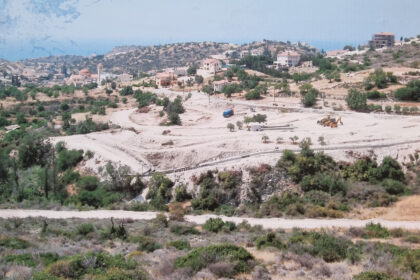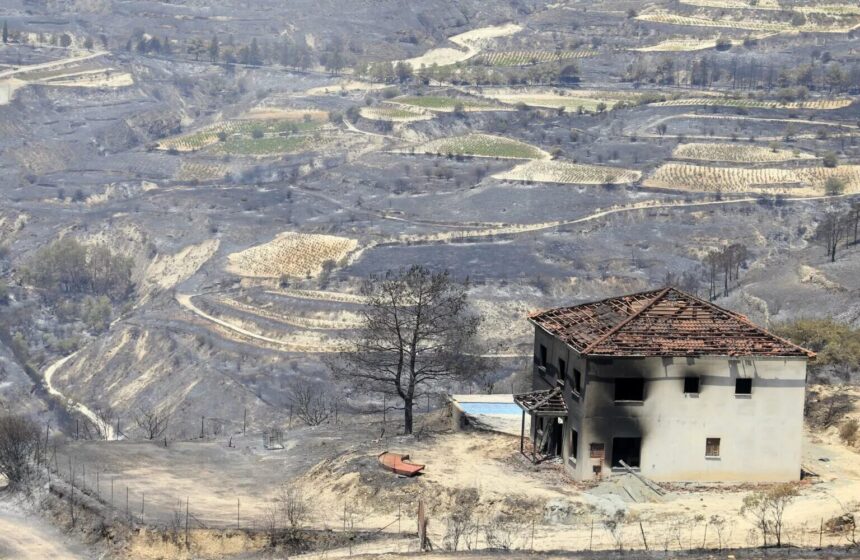
The Health Ministry has confirmed food safety following the use of fire retardants by Israeli aircraft during recent wildfires in Malia, Limassol.
- The Health Ministry has confirmed food safety following the use of fire retardants by Israeli aircraft during recent wildfires in Malia, Limassol.
In July, wildfires prompted the deployment of firefighting aircraft, leading local authorities to undertake food safety inspections in the surrounding villages. According to a parliamentary briefing dated 25 August 2025, officials collected samples of five food types from these areas to assess any potential contamination.
Laboratory analyses were carried out to identify both organic and inorganic pollutants that might have entered the food supply due to exposure to smoke or chemicals used in firefighting operations. The Health Ministry reported that no contamination was detected in the samples examined, providing reassurance to the local community.
Testing specifically focused on identifying chemical residues that could have settled on agricultural products in the fire-affected region. This proactive approach aimed to ensure that residents were not at risk from any harmful substances following the deployment of fire retardants.
However, details about the specific chemical composition of the fire retardant used by the Israeli aircraft remain undisclosed. The Health Sanitary Service stated that it has not received the Safety Data Sheet for the product, which would provide critical information regarding its components and safety implications.
Standard international practices suggest that such fire retardants typically include ammonium phosphate and sulphate salts. Local media has mentioned the use of Phos-Chek LC95A, a product known for its effectiveness in firefighting.
According to available Safety Data Sheets, Phos-Chek LC95A is classified as having low toxicity for humans, with no serious skin or eye hazards. Mild irritation may occur through inhalation of smoke or aerosols, but the product is deemed safe for general use. Nevertheless, it is noted that it may pose risks to aquatic organisms and contribute to eutrophication, even though it is biodegradable over time.
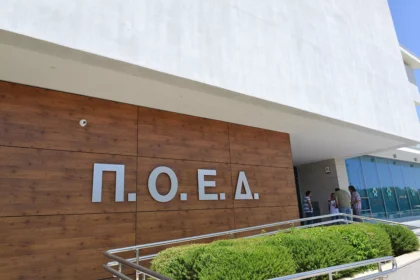
The Health Ministry’s findings were in response to a written question from Charalambos Theopemptou, Chairman of the House Environment Committee, who sought clarity on the chemical components of the retardant and their potential dangers to human health and the environment.
As the community in Limassol seeks to recover from the recent wildfires, the Health Ministry’s assurance regarding food safety aims to alleviate concerns among residents. The focus now shifts to ongoing monitoring and support as recovery efforts continue.