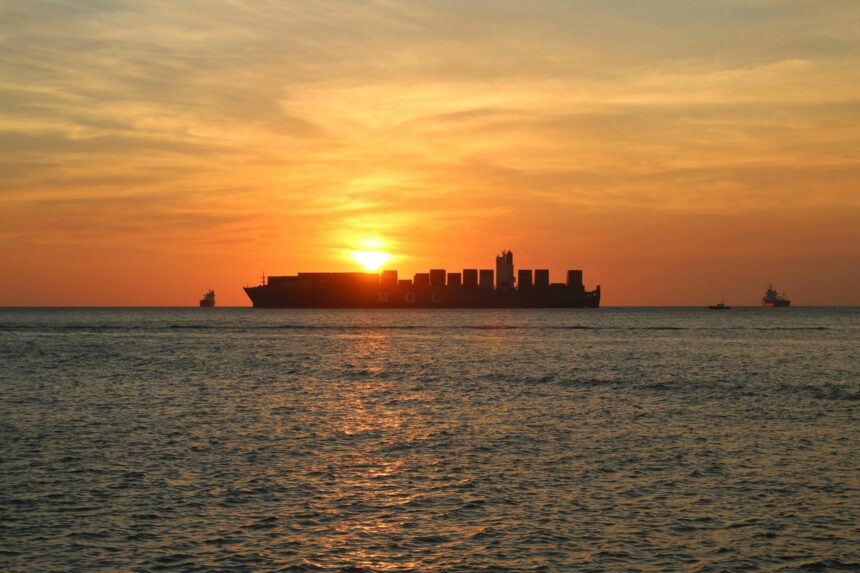
greek shipowners — Greek shipowners control 21 per cent of the world’s merchant fleet with 5,520 vessels, reinforcing their status as the largest shipping power globally. Over the past decade, the fleet’s capacity has surged by 50 per cent, reflecting resilience and strategic adaptation to evolving trade dynamics.
Greek shipowners: Dominance in Key Shipping Categories
According to Greek news outlet Newmoney, the Greek shipping sector comprises a substantial portion of various key maritime categories: 31.27 per cent of the global oil tanker fleet, 25.32 per cent of bulk carriers, and 22.65 per cent of liquefied natural gas vessels. Additionally, Greek-owned ships represent 15.79 per cent of the chemical and petroleum product fleet, 11.46 per cent of LPG carriers, and 8.92 per cent of container ships.
Strategic Role in Global Trade
Significantly, Greek-owned vessels are pivotal in cross-trade activities, with over 98 per cent of their transport capacity allocated to routes between third countries. This positioning grants Greece a vital role in the global supply chain.
Fleet Modernisation and Environmental Focus
The renewal of the Greek fleet is accelerating, with orders for new ships reaching 241 in 2023, marking a 40 per cent increase from the previous year. Much of this investment is channelled towards vessels designed for improved environmental performance, highlighting the industry’s transition towards greener operations in response to tightening international regulations.
Economies of Scale and Competitive Advantage
The preference for larger vessels remains evident, as the average size of Greek-owned ships stands at 81,395 deadweight tonnes—nearly double the global average of 45,337 dwt. This size advantage allows for economies of scale, enhancing competitiveness in long-haul trade.
Young and Efficient Fleet
Interestingly, the Greek fleet is among the youngest globally, boasting an average age of around 10 years, which is younger than the global average of 11 years. This youthful fleet contributes to operational efficiency and competitiveness.
Cyprus Enhances Its Maritime Role
While Greece leads in tonnage, Cyprus complements this by positioning itself as one of Europe’s foremost maritime management centres. Deputy Shipping Minister Marina Hadjimanolis stated that expanding the Cypriot registry is a top government priority, noting an 18 per cent increase in gross tonnage over the last 16 months alongside a 15 per cent rise in companies joining the tonnage tax regime.
Innovation and Digitalisation in Cyprus Shipping
Emphasising innovation, Hadjimanolis mentioned that Cyprus is making strides towards greener operations and enhancing service digitalisation within the Deputy Ministry of Shipping, with new services anticipated by the end of May 2025.
Strategic Advantages of the Cypriot Flag
Hadjimanolis highlighted that the true value of the Cypriot flag becomes apparent during challenging times, attributing this to overseas offices and hands-on support, which are crucial advantages for shipping operations. The sector significantly contributes to Cyprus’ economy, accounting for nearly 7 per cent of GDP.