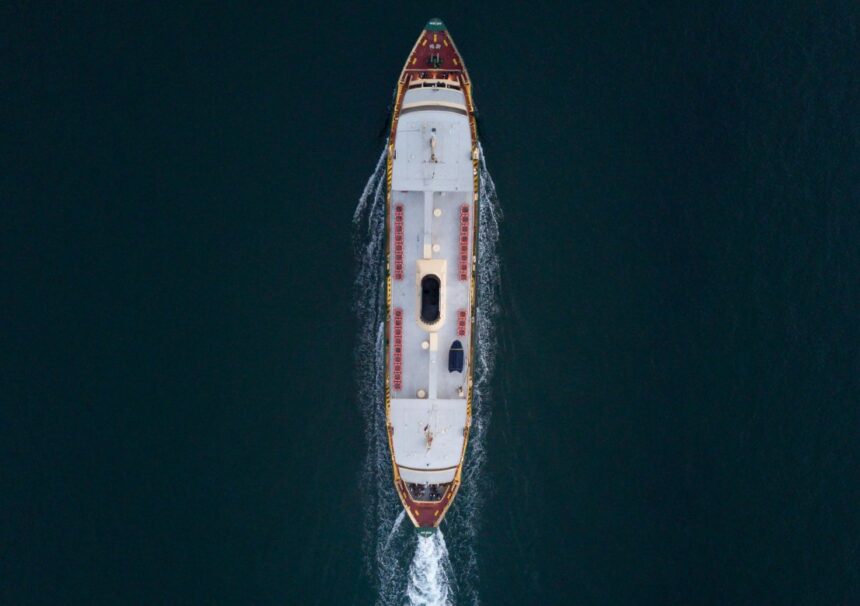
maritime landscape — Greece and Cyprus are playing pivotal roles in shaping Europe’s maritime landscape, with Greece currently overseeing the construction of over 650 vessels across various fleet segments. According to the latest report by Xclusiv Shipbrokers, Greek owners are at the forefront of a significant fleet renewal and technological modernisation initiative. This movement encompasses a diverse array of vessels, including bulk carriers, tankers, containerships, and LNG or LPG carriers.
- Orders in the tanker category are predominantly concentrated on Suezmax and Aframax/LR2 designs, showcasing a preference for flexible, energy-efficient vessels capable of utilising alternative fuels.
Maritime landscape: Greece’s Shipping Dominance
With a robust portfolio of vessels under construction, Greek shipowners control approximately 17.8 per cent of all new ships being built globally. This dominance is not merely an investment cycle; it reflects a comprehensive national maritime policy aimed at maintaining Greece’s leadership in the global shipping industry through the anticipated energy transition.
Fleet Composition and Orders
In the dry bulk sector alone, Greek owners have 156 vessels under construction, which accounts for 11.5 per cent of the global orderbook. The focus is primarily on Kamsarmax and Panamax types, together making up around 62 per cent of new orders. Meanwhile, the tanker sector exhibits even stronger activity, with 285 ships currently being constructed—nearly a quarter of the total tankers under construction worldwide.
Orders in the tanker category are predominantly concentrated on Suezmax and Aframax/LR2 designs, showcasing a preference for flexible, energy-efficient vessels capable of utilising alternative fuels.
Containerships and Gas Carriers
Containerships also represent a crucial segment, with 111 Greek-owned vessels on order, which makes up about 10 per cent of the global total. Most of these are Neo-Panamax vessels, designed to cater to the demands of high-capacity international routes.
In the gas carrier segment, Greece maintains a commanding presence with 55 LNG vessels, representing 17 per cent of the global orderbook, alongside an additional 44 LPG ships that account for 14 per cent. This strategic focus on modernisation and technological advancement underscores Greek shipowners’ commitment to cleaner and more efficient operations.
Cyprus: A Rising Maritime Hub
While Greece dominates new shipbuilding, Cyprus is steadily establishing itself as a significant maritime centre and ship-management powerhouse. According to Statbase data, Cyprus oversees over 415 vessels under beneficial ownership, reflecting a consistent rise over the past decade.
Growth of the Cyprus Ship Registry
The Cyprus Ship Registry has expanded by roughly 20 per cent in gross tonnage over the past two years, reaching its highest level in two decades. In early 2024 alone, more than 170 vessels exceeding four million gross tons were added to the flag, highlighting the growing appeal of the Cypriot registry.
Moreover, the ship-management sector in Cyprus has seen remarkable growth, with revenues climbing to €978 million in the first half of 2025, equivalent to 5.5 per cent of GDP. This upward trajectory underscores Cyprus’ increasing importance as a hub for technical, crew, and commercial management within the EU.
Strategic Position and Employment
Cyprus ranks among the world’s top ten flag states, with approximately 24.4 million gross tons registered, predominantly comprised of Greek-owned and internationally managed fleets choosing Limassol as their operational base. The island’s strategic location at the crossroads of Europe, the Middle East, and Asia continues to attract prominent shipowners and operators seeking an EU flag backed by strong infrastructure and skilled manpower.
Currently, Cyprus hosts around sixty specialised ship-management companies, employing over 40,000 seafarers through local firms, according to KPMG’s 2024 Ship Management Report. This impressive workforce and the island’s reputation for legal stability and transparency bolster its standing as Europe’s largest ship-management centre.
Innovation and Fleet Renewal in Cyprus
Several Cyprus-based shipowners are actively involved in fleet renewal initiatives. For instance, Lemissoler Navigation has placed orders for four methanol dual-fuel Ultramax bulkers, marking a significant milestone as the first such order for this vessel class in China. Safe Bulkers, the largest shipowner registered in Cyprus, operates 45 bulk carriers and has six newbuilding orders in line with IMO emissions targets.
Additionally, Eureka Shipping, a joint venture based in Limassol, has recently ordered a new cement carrier in Europe, expanding its specialised industrial fleet. These efforts reflect a broader trend within Cyprus towards embracing cleaner technologies and innovative designs in maritime operations.
Looking Ahead
The narrative of fuel transition is also prominent in Cyprus, with Columbia Group anticipating that dual-fuel ships will constitute half of all global newbuild orders by the end of 2025. They project that LNG propulsion will account for 70 per cent of these orders, aligning with the management portfolios handled by Cypriot-based technical teams.
As Greece and Cyprus continue to evolve their maritime industries, their combined efforts are not only positioning them as leaders in the shipping sector but also contributing significantly to the broader goals of sustainability and efficiency in maritime operations across Europe.