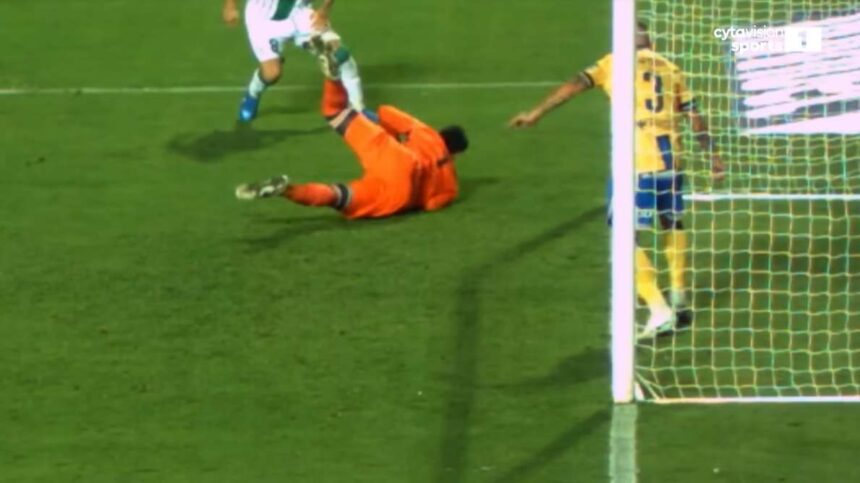
In the realm of football, goal-line cameras have become a pivotal technology, especially during high-stakes matches like the historic derby between Omonia and APOEL. The utilisation of such technology has sparked debates about its effectiveness and necessity in ensuring fair play.
Goal-line cameras: VAR Decisions and the Importance of Technology
In a match filled with tension and expectation, referee Konstantinos Fellas and his assistants were largely vindicated by the Video Assistant Referee (VAR) system. Two key incidents, including a disallowed goal by Semedo, demonstrated the critical role of technology in modern football. Without the VAR’s intervention, the outcome of these decisions could have been contentious.
Key Moments That Defined the Match
- Disallowed Goal: The VAR confirmed that Semedo was marginally offside, a decision that could easily have been contested without the backing of technological evidence.
- Goal-Line Scrutiny: Omonia players were adamant that the ball had crossed the line during two separate instances, yet the goal-line cameras provided clarity, confirming that Pereira had kept the ball out.
These moments encapsulate the tension between human error and technological accuracy. The fear of contentious decisions loomed large, and the VAR’s rulings lent a sense of peace to what could have escalated into a far more chaotic situation.
The Necessity of Goal-Line Technology
While VAR has proven to be a reliable ally for referees, there is still an evident gap in technology, particularly with respect to goal-line technology. The Cypriot Football Association’s (CFA) financial constraints meant that they couldn’t afford the full-fledged system available in many top leagues. Instead, they opted for a more cost-effective solution by installing multiple goal-line cameras across all first division stadiums.
This decision has been dubbed as purchasing the ‘poor man’s goal-line technology’. While the cameras are a step in the right direction, they cannot replicate the seamless precision of advanced goal-line technology systems, which are commonplace in leagues across Europe.
Financial Implications and Investment in Technology
The CFA’s investment into these cameras was substantial, amounting to a significant expenditure for installation across various venues. Additionally, the operational cost reaches about €2,000 each match day, a hefty sum considering the financial landscape of Cypriot football.
Despite these costs, the CFA believes the investment is worthwhile to maintain the integrity of the game. It presents an opportunity for the league to embrace modern technology while navigating its financial limitations.
Impact on Players and Fans
For players, the presence of goal-line cameras can be both a source of reassurance and frustration. Knowing that every crucial moment will be scrutinised can lead to a more measured approach to gameplay. However, it can also heighten the pressure, especially when the stakes are as high as they were in this derby.
Fans, on the other hand, have a more mixed reception. The advent of technology in football has improved transparency to a degree, but it has also introduced a layer of uncertainty. The reliance on technology can sometimes detract from the raw emotion of the game, as fans await decisions that can feel like an eternity.
Statistics That Tell the Story
In terms of match statistics, the derby reflected a closely contested battle. The possession statistics highlighted a near-equal distribution, with Omonia holding 49% to APOEL’s 51%. The expected goals (xG) metric also underlined the competitiveness of the match, with both teams generating similar chances, yet failing to convert. Omonia recorded 7 shots on target compared to APOEL’s 6, but neither side could find the back of the net, showcasing the effectiveness of defensive strategies.
Looking Ahead: The Future of Technology in Cypriot Football
As the league progresses, the question remains whether the CFA will eventually invest in full goal-line technology. The current setup provides a temporary solution, but as football continues to evolve, the demand for accuracy and fairness will only increase. The prospect of introducing more sophisticated systems could enhance the level of professionalism in Cypriot football.
Ultimately, the use of goal-line cameras serves as a crucial reminder of the ongoing battle between tradition and innovation in the sport. As technology continues to shape the future of football, leagues worldwide must adapt to ensure they remain competitive and fair.