foot and — The situation regarding the outbreak of foot and mouth disease (FMD) remains stable, with ongoing vaccinations and no new cases detected, according to veterinary association chairman Demetris Epaminondas. On Saturday, he confirmed that all samples taken from Limassol and the most recent tests from Nicosia returned negative results.
Foot and: Ongoing Vaccination Efforts
Epaminondas announced that a comprehensive vaccination programme is in progress across the Republic, with expectations to complete it by the end of August or early to mid-September. When questioned about potential vaccine shortages, he reassured the public that sufficient supplies are available to complete the current vaccination cycle, emphasising that vaccinations for pigs are also underway.
Surveillance Campaign Initiated
To further monitor the situation, an island-wide surveillance campaign is set to launch. This initiative aims to determine antibody titres from the vaccines and check for any presence of the virus in other areas.
Culling Measures Completed
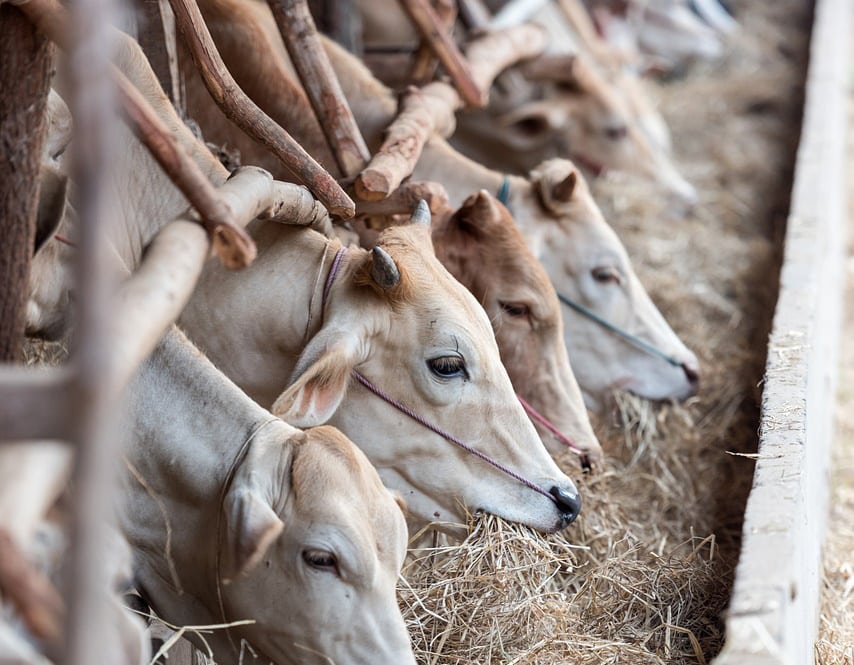
Regarding the necessary cullings, Epaminondas stated that all had been completed, except for fat-tailed sheep and red cattle. He expressed optimism about the current stability of the situation, attributing this to the measures being implemented.
Environmental Factors at Play
As the summer season approaches, Epaminondas mentioned that the hot weather could aid in controlling the virus. Higher temperatures reduce the virus’s ability to survive in the environment, consequently lowering the risk of transmission. He noted that adherence to biosafety protocols, along with the vaccinations administered, would help maintain stability as the region prepares for the fall.
Future Considerations for Livestock
While discussing the future of livestock replacement, Epaminondas indicated that no organised efforts had yet been established. The matter is currently under the purview of a special scientific committee tasked with the reconstruction and enhancement of the livestock sector. He added that while there might be a need to import a small number of animals in the future, this could potentially be avoided if the situation remains stable.