heatwave — The fire brigade is preparing emergency measures ahead of a forecast heatwave, with a national coordination meeting scheduled for Tuesday to review fire prevention and response plans, spokesperson Andreas Kettis said on Saturday.
- “The department has worked hard to prevent fires and to be ready for any event,” Kettis assured, remarking that preparations were focused on limiting the impact of major incidents.
- “With the current environmental conditions, it is very easy for a fire to start and spread,” he stated, emphasising the urgency of the situation.
The meeting, chaired by Chief Officer Nikos Longinos in his role as national fire coordinator, will involve state services and other competent authorities to examine additional measures based on weather forecasts and expected high temperatures.
“The department has worked hard to prevent fires and to be ready for any event,” Kettis assured, remarking that preparations were focused on limiting the impact of major incidents.
As of now, the fire brigade has responded to 1,350 fires in 2026, with over 10 per cent assessed as having the potential to develop into major incidents, according to Kettis. He highlighted the prevalent risks, noting that many fires are caused by negligence, including discarded cigarettes, outdoor burning, and hot tools that can become ignition sources.
“With the current environmental conditions, it is very easy for a fire to start and spread,” he stated, emphasising the urgency of the situation.
To bolster its operational capacity, the brigade has invested in new equipment and infrastructure, including the National Operations Coordination Centre, established with €6.5 million in European funding. Kettis mentioned the impending delivery of 10 water tanks, each with a capacity of 56,000 litres, to be strategically placed in areas with limited access to water sources during emergencies.
Additional vehicles and water tankers, funded through an Interior Ministry allocation of more than €1.2 million, have been stationed at key locations in Larnaca, Limassol, and Paphos districts. “The use of these diggers in a fire and the tanker for water supply is very important in suppressing and creating firebreaks,” Kettis explained.
Efforts to prevent fires have also been expanded, with dedicated prevention teams of professional firefighters collaborating more closely with local authorities. Kettis noted that 850 registered dumpsites across Cyprus are being scrutinised, with 250 recently identified for further attention.
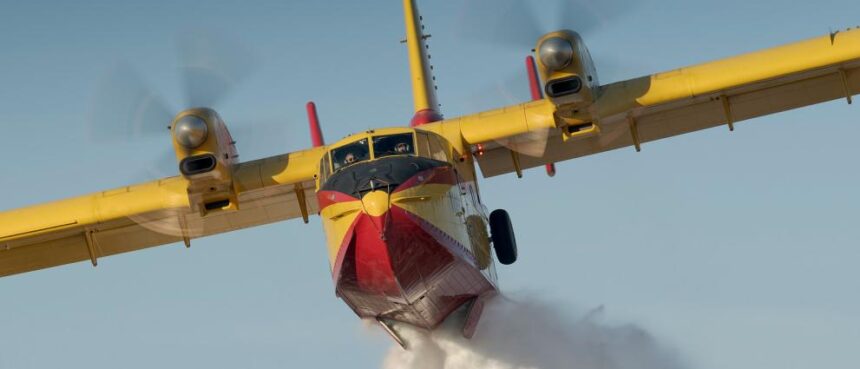
The emergency response network now includes 13 primary firefighting aircraft, additional aircraft from British bases, and support from police and National Guard helicopters. Furthermore, assistance mechanisms are in place involving Israel, Greece, and the European rescEU system.
To enhance surveillance, the brigade has deployed cameras across rural areas in all districts, providing live images to coordination centres. A further 60 hourly staff members have been recruited, and seven field stations are now operating around the clock.
Kettis reiterated the importance of cooperation between various services in prevention efforts, stating that volunteer groups, Civil Defence, the Forestry Department, and the Game and Fauna Service are all integral to the emergency plans. Civil Defence has also updated evacuation procedures under the “Polyvios” plan and has conducted seven evacuation exercises between May and June.