Finding a voice in Cyprus is what thousands of students experience at the School of Modern Greek at the University of Cyprus. Since its establishment in 1998, the School has welcomed over 6,500 individuals from diverse backgrounds, including international students, researchers, and members of the Cypriot diaspora.

Photo: cyprus-mail.com
For many, mastering Greek transcends language proficiency; it becomes a vital step towards belonging in Cypriot society. One teacher explains, “We don’t just teach grammar; we give people the tools to live, study, and connect here.” This approach underlines the School’s mission to support integration and cultural exchange.
School of: A Classroom Reflecting Global Diversity
The School is known for its vibrant and diverse student body, with more than 300 candidates sitting for national proficiency exams twice a year. This diversity is a hallmark of its classes, which include university students, academics, and skilled professionals from various ethnic and cultural backgrounds.
The language courses are designed to equip students with essential skills to navigate daily life in Cyprus, enhancing their employment prospects and social integration. Recent years have seen a substantial increase in enrolments, particularly from migrants, asylum seekers, and refugees.
Inspiring Educators
At the heart of the School’s success are its 11 dedicated teachers, specialists in teaching Greek as a second language. They not only create their own teaching materials but also engage in research, providing support to learners from beginners to advanced speakers. Feedback from students highlights the transformative teaching methods, with one scholarship student noting, “I never went to class with boredom. I went every day with joy and impatience.”
Transformative Summer Experiences
The School’s Summer Scholarship Programme stands out as one of its most impactful initiatives. Every year, at least ten students from overseas universities receive scholarships covering tuition, travel, accommodation, and an intensive cultural programme. Over six weeks, these students immerse themselves in both language and Cypriot culture.
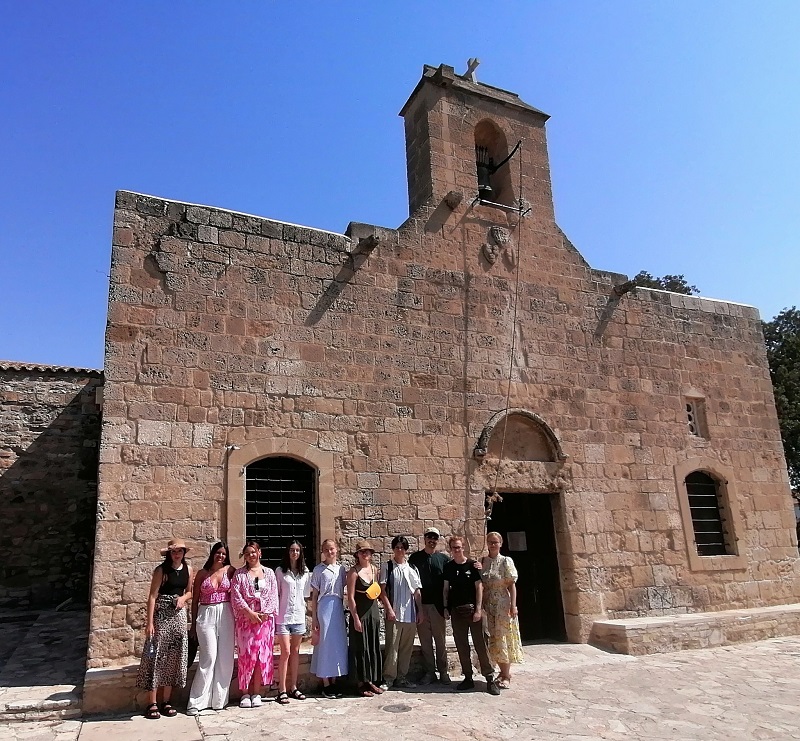
Beyond the classroom, students engage with Cyprus through various cultural activities, including visits to archaeological sites, festivals, and village excursions. One student reflects on a trip to Lefkara: “I felt the Greek and Cypriot atmosphere. The people were warm, kind, and open.” Another recalls, “The food, the new friends, the nights in Nicosia—these memories will stay with me forever.” The Programme’s popularity has led to a surge in demand, illustrating its profound impact on participants.
Bridging the Diaspora
The School also plays a pivotal role in the NEPOMAK Discover Cyprus Programme, aimed at reconnecting young members of the Cypriot diaspora with their roots. In collaboration with the World Federation of Overseas Cypriots, the School offers three-week intensive language courses at various proficiency levels.
Participants in this programme not only enhance their Greek language skills but also delve into the rich history and culture of Cyprus through excursions and community activities. For many, this experience marks the first time they truly connect with the land of their ancestors.
Education Beyond Language
The School of Modern Greek exemplifies the power of education to foster connection and understanding. For some students, it leads to further studies at the University of Cyprus. For others—particularly migrants and refugees—it serves as a gateway to integration, friendship, and new opportunities.
In a world where language can often create barriers, the School demonstrates how words can unite, foster empathy, and create lasting change. With its commitment to teaching Greek, it continues to build bridges that connect individuals to one another and to the vibrant culture of Cyprus.