Pepián is one of Central America’s oldest dishes, renowned for its rich flavours and cultural significance in Guatemala. This traditional stew beautifully marries pre-Hispanic Maya cooking with Spanish colonial influences, marking it as a testament to the region’s vibrant culinary history.
Historical Roots of Pepián
The origins of pepián trace back centuries, evolving from ceremonial dishes once prepared by the Maya. These early recipes utilised roasted seeds and native chillies, which were later enriched with European spices introduced during the sixteenth century. This fusion of ingredients reflects the diverse cultural influences that have shaped Guatemalan cuisine over the years.
A Staple of Guatemalan Homes
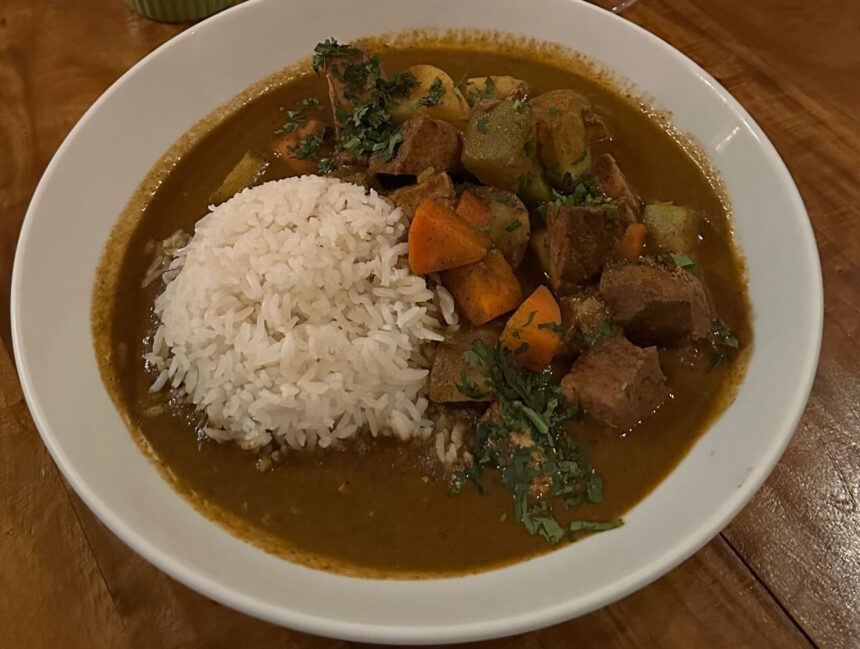
Traditionally, pepián is prepared with chicken, beef, or pork, simmered in a thick, aromatic sauce crafted from a blend of roasted seeds, tomatoes, and various spices. The resulting stew is celebrated for its deep, earthy flavour—a hallmark of Guatemalan home cooking. Over time, pepián transformed into a beloved staple, often enjoyed during family gatherings or on Sundays, where its preparation becomes a communal affair.
Cooking Pepián: A Communal Experience
The preparation of pepián is steeped in tradition, often involving family members coming together to create the dish. Ingredients are typically ground using traditional tools, such as stone mortars and pestles, echoing the methods used by their ancestors. This collaborative approach not only enhances the dish’s flavours but also strengthens familial bonds, making it a true representation of Guatemalan culture.
Serving Pepián: A Cultural Tradition
Pepián is customarily served with rice and corn tortillas, both of which hold significant cultural importance in Mesoamerican societies. Maize, or corn, is revered as a staple food, symbolising life and sustenance. The combination of pepián with these accompaniments elevates the meal, offering a complete experience that reflects the region’s agricultural heritage.
Regional Variations of Pepián
As with many traditional dishes, variations of pepián abound across Guatemala, each region adding its unique twist. In some areas, cooks prefer a lighter green sauce made from tomatillos and green chillies, while others favour a darker, richer version, resulting from different blends of roasted seeds. Coastal regions often incorporate local vegetables or different meats, showcasing the diverse ingredients available in various landscapes.
A Dish of Resilience and Hospitality
Despite the variations, pepián’s core character remains unchanged, celebrated for its depth of flavour and cultural resonance. Today, it continues to be the centrepiece of celebrations and family events, a dish that brings people together in joy. In contemporary settings, chefs are reimagining pepián, refining its presentation while maintaining the essence of this cherished recipe.
Pepián in Modern Cuisine
As Guatemalan cuisine gains recognition on the international stage, pepián stands out as a signature dish that encapsulates the rich culinary traditions of Central America. It has found its way into restaurants around the globe, where chefs experiment with lighter interpretations and modern plating techniques. Despite these innovations, the dish retains its deep cultural roots, bridging the gap between traditional and contemporary cooking.
Pepián’s Global Connections
Interestingly, pepián resonates with slow-cooked dishes from other cultures, such as beef stews from Cyprus, which also utilise tomatoes, wine, and spices. This commonality highlights a shared appreciation for layered, comforting flavours that foster communal dining experiences, transcending borders and cultural divides.
A Cherished Culinary Heritage
Today, pepián remains a beloved dish in both rural and urban areas, symbolising not just the culinary heritage of Guatemala but also the resilience and hospitality of its people. It is a dish that tells a story—of identity, continuity, and the passage of culinary knowledge through generations. Each bowl of pepián serves as a reminder of the connections between modern Guatemalans and their ancestral past, preserving a rich cultural legacy that is as relevant today as it ever was.
In gatherings both large and small, pepián is shared, reinforcing the bonds of family and community. As it continues to adapt to modern tastes, this enduring recipe remains central to the national identity, embodying the flavours and traditions that define Guatemalan cuisine.