Coffee culture in Cyprus is about far more than caffeine. It serves as a daily ritual, a social connector, and an expression of hospitality across the island. From traditional village cafés to modern specialty coffee bars, coffee is deeply entwined with Cypriot identity and lifestyle.
The Historical Roots of Coffee Culture
The origins of Cyprus’ coffee culture can be traced back to Ottoman and broader Middle Eastern influences. Over generations, Cypriots have cultivated a unique coffee tradition, centred around a strong, finely ground brew. This method is akin to Greek or Turkish coffee, brewed slowly in a small pot known as a “briki” and served in a small cup with a frothy layer on top, referred to as kaimakki, while the grounds settle at the bottom.
Ordering Coffee: A Personal Ritual
When it comes to ordering Cypriot coffee, locals take sweetness levels very seriously. Customisation is key, with frequent choices such as skettos (no sugar), metrios (medium sweetness), and glykos (sweet). There are also several variations in between. For example, “me oligin” indicates a small amount of sugar, while “mallon glykis” is slightly sweeter than metrios. “Varis glykis” describes an extra sweet coffee, showcasing how personal and ritualistic this aspect of coffee culture can be.
In traditional coffee shops, known as kafenia, patrons will often receive a glass of water alongside their coffee. While the water is traditionally enjoyed after finishing the coffee, some prefer to pour a little into the cup to temper the strong flavour, making it easier to drink.
More Than Just a Drink: The Role of Cafés in Cypriot Life
For many Cypriots, coffee is not a hurried affair. The phrase “let’s go for coffee” usually implies a lengthy conversation rather than a quick takeaway. Cafés are vital meeting places for business discussions, family gatherings, and social interactions. In villages, traditional “kafeneio” coffee shops act as community hubs, where older generations gather to converse, play backgammon, or discuss local news.
The Evolution of Coffee Shops
In addition to these traditional establishments, Cyprus has witnessed a rapid evolution in its café culture. Modern specialty coffee shops have begun to dominate urban landscapes, particularly in cities like Nicosia and Limassol. These third-wave coffee trends introduce offerings such as flat whites, cold brew, and artisan espresso, appealing especially to younger consumers.
Cold Coffee: A Refreshing Staple
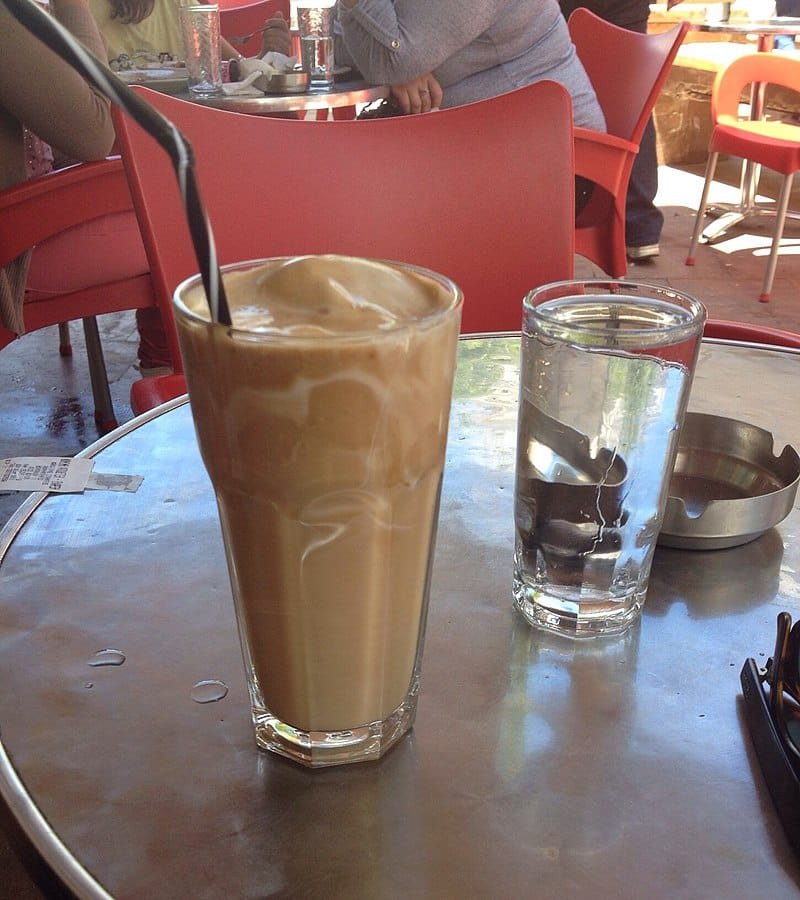
Given the warm climate of Cyprus, cold coffee beverages play a significant role in daily consumption. Drinks such as frappé, freddo espresso, and freddo cappuccino are enjoyed almost year-round. While traditional Cypriot coffee maintains its cultural importance, iced coffee often dominates the daily habits of locals, particularly during long summer months.
Pairing Coffee with Local Delicacies
Coffee culture in Cyprus also embraces food pairing. It is common for coffee to be served alongside sweets like loukoumi, baklava, spoon sweets, or biscuits. Recently, café culture has merged with the growing brunch scene on the island, creating spaces that combine specialty coffee with modern dining experiences.
A Gateway for Tourists and Expats
For visitors and expatriates, experiencing coffee culture in Cyprus offers a welcoming introduction to local life. Engaging in a traditional coffee service or spending hours in a relaxed café provides insight into the island’s balance between tradition and modern living. Such experiences highlight the importance of coffee as a social lubricant, where conversations flow as freely as the drinks.
The Future of Cypriot Coffee Culture
Looking ahead, sustainability, ethical sourcing, and the rise of local specialty roasters are poised to shape the future of coffee culture across Cyprus. As the demand for quality and conscious consumption grows, the island’s coffee scene is likely to evolve further, reflecting changing consumer preferences while honouring its rich traditions.
Ultimately, coffee culture in Cyprus mirrors the island itself: social, relaxed, and rooted in tradition, yet open to modern influences. This harmonious blend ensures that coffee will remain a cherished element of daily life for Cypriots and an inviting experience for those who visit.