Biohacking is slowly making its mark in Cyprus, with growing interest in practices aimed at health optimisation. From cold plunges and sleep tracking to personalised nutrition, these once-exclusive techniques for elite athletes are now becoming accessible to the general public.
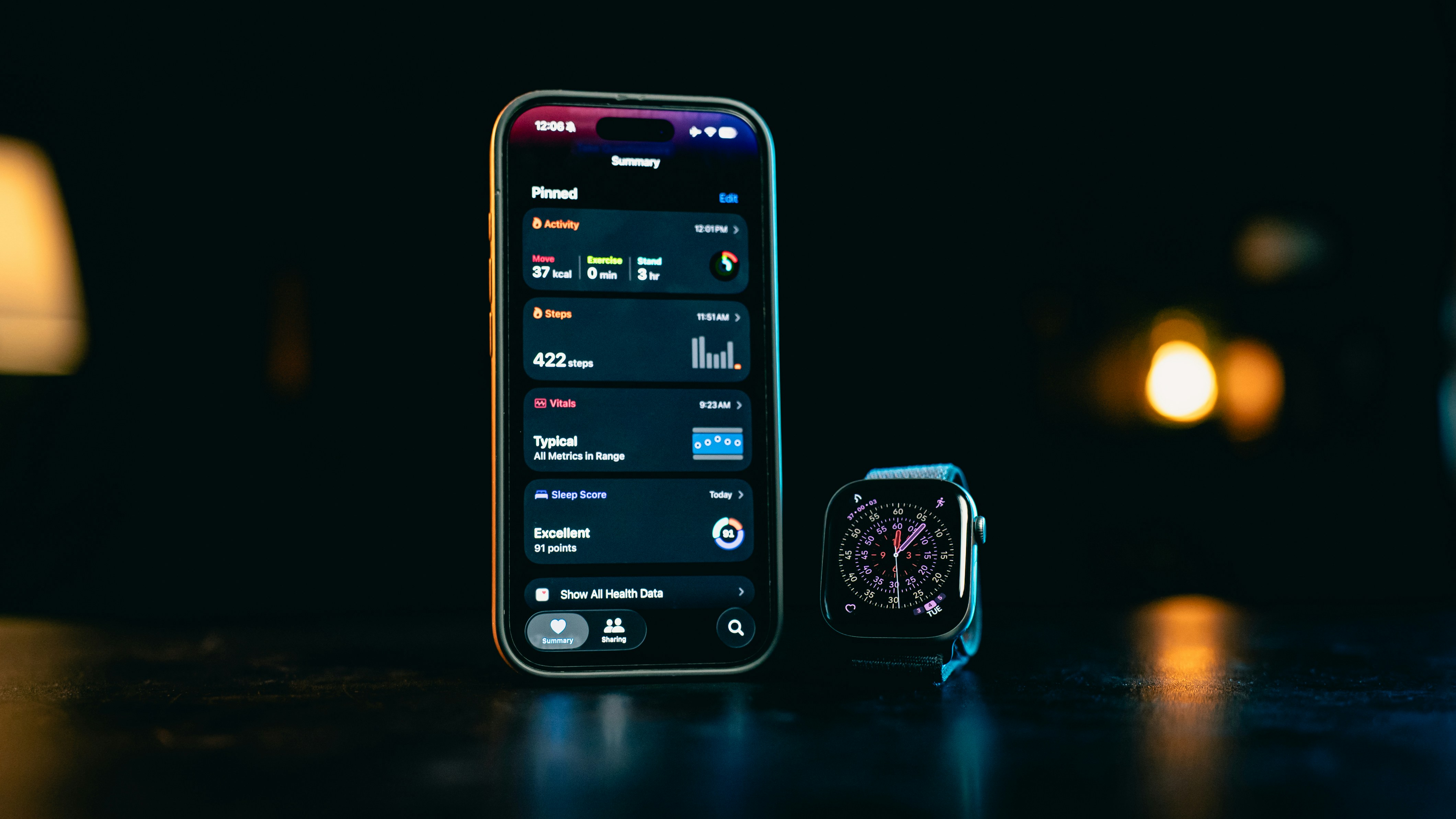
Photo: cyprus-mail.com
The term ‘biohacking’ has gained traction recently, largely due to the influence of social media, podcasts, and celebrity endorsements. People are increasingly seeking ways to enhance their energy, improve recovery, and extend their health span. As the global longevity movement flourishes, the question arises: is Cyprus ready for this transformative approach?

Photo: cyprus-mail.com
In recent years, a surge in demand has been noted for services that promote wellness through biohacking techniques. Pagoc Health, a Cyprus-based company specialising in cold immersion baths, reports significant growth in interest. This trend reflects a desire for greater control over personal health, especially as stress and chronic diseases become more prevalent.
Dr Athos Antoniades, a bioinformatics expert and CEO of Stremble Ventures, underscores the scientific basis of biohacking. He explains that it involves optimising biological function through lifestyle choices, nutrition, and emerging technologies. The focus is on prevention and personalisation, recognising the complex interplay of different bodily systems.
While many biohacking techniques are grounded in solid research—like regular exercise, quality sleep, and proper nutrition—Antoniades warns against misconceptions. Some people may chase quick fixes through isolated interventions or trendy supplements, which can disrupt their physiological balance.
As interest in health optimisation grows, clinics in Cyprus are beginning to adopt a more structured medical approach. Dinos Xydas, Co-Founder and Chief Medical Officer at Swissmed Health, highlights a shift from traditional spa wellness to a focus on energy, prevention, and healthy ageing. More individuals are seeking personalised strategies to enhance their well-being, be it through recovery, performance, or longevity.
Despite the allure of newer techniques, Xydas emphasises the importance of foundational practices. Evidence-based methods such as sleep optimisation, exercise, and stress regulation remain paramount. He cautions against commercialised solutions that promise universal shortcuts, as what works for one person may not be suitable for another.
The potential risks of self-prescribing based on social media trends cannot be ignored. As Xydas notes, individuals may inadvertently harm their health by adopting protocols that are not tailored to their unique needs.
While dedicated biohacking centres are still in their infancy in Cyprus, elements of this movement are surfacing in gyms and wellness facilities. Founders of Pagoc Health, Phedias Demou and Andreas Chrysochos, observe that cold exposure has transitioned from a niche concept to a popular practice among wellness enthusiasts. They share that many individuals experience improved sleep and resilience, with recovery after training often serving as the entry point.
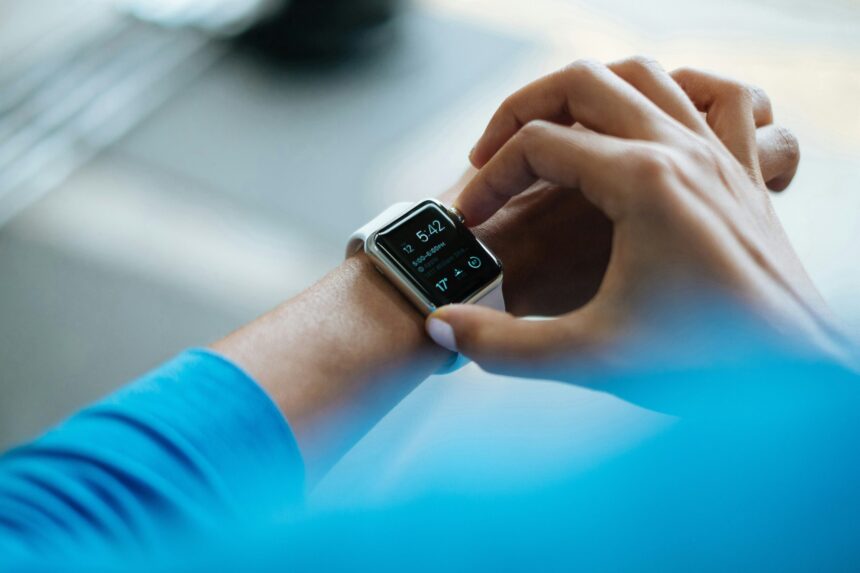
Cold immersion has become part of a broader health optimisation trend, intertwining performance, prevention, and lifestyle. Experts agree that much of what is termed biohacking aligns with established health principles, now enhanced through personalisation and data tracking.
As Cyprus navigates this burgeoning health movement, the challenge lies in discerning evidence-based practices from mere marketing gimmicks. The landscape is evolving, and with it, the potential for a more informed approach to health and wellness in the region.