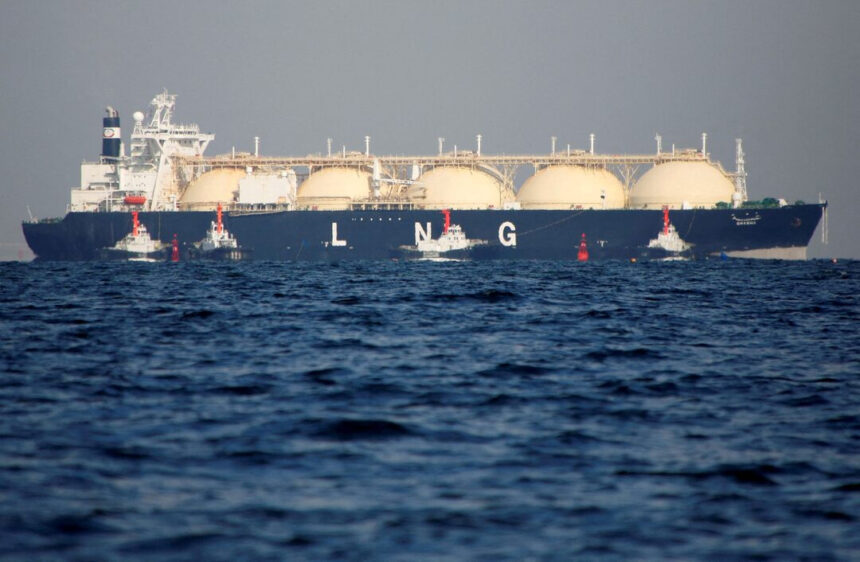
The question of whether natural gas is needed in Cyprus has shifted to whether the current Vasiliko LNG import project represents the most viable economic solution. While natural gas has significant benefits, including reduced carbon emissions and improved electricity generation efficiency, the landscape of options for Cyprus has evolved considerably.
Recent developments, including offshore gas discoveries and new regional pipeline proposals, have altered the economics surrounding the Vasiliko LNG project. The focus now is on evaluating various alternatives based on cost, supply security, flexibility, and implementation risks.
Natural gas: Completing the Vasiliko Project
The first option is to proceed with the existing Vasiliko project. Although the engineering challenges are manageable, the real hurdles lie in procurement, financing, and project management. Financial estimates indicate that the total project costs could reach between €1 billion and €1.2 billion. With LNG prices expected around $8/MMBtu and an annual gas demand of approximately 0.7 bcm, the delivered cost to the Electricity Authority of Cyprus (EAC) could range from $15.5 to $17/MMBtu. This scenario may not significantly lower electricity prices, contradicting the original goal of making electricity cheaper.
Leasing a Floating Storage Regasification Unit
An alternative is to sell the Prometheas and utilise a leased Floating Storage Regasification Unit (FSRU) while completing the essential infrastructure at Vasiliko. This approach could allow Cyprus to recover some of the sunk costs from Prometheas, estimated at around $200 million, while transferring much of the operational risk to a private sector operator. Preliminary analysis suggests that the cost of delivered gas could be several dollars lower per MMBtu compared to the current ownership model, offering greater flexibility as technology evolves.
Direct Pipeline Gas from Israel
A third option is to import gas directly from Israel via a subsea pipeline proposed by Energean. This route could facilitate gas delivery without the need for liquefaction and associated costs, potentially providing gas to EAC at approximately $7-8/MMBtu. However, this option raises strategic concerns, as it would create dependence on a single supplier and pipeline. Despite these risks, the potential for lower-cost gas makes this option worthy of consideration.
Utilising Domestic Gas Fields
Another promising avenue is the development of Cyprus’ own offshore discoveries, such as the Calypso field, for domestic use. If the field contains sufficient recoverable reserves, it could support a direct pipeline to Cyprus, significantly reducing costs associated with LNG imports. Economic analyses indicate that gas could potentially be delivered for less than $6/MMBtu, offering a substantial advantage over imported LNG. However, uncertainties regarding the field’s reserves must be addressed before proceeding.
A Phased Strategy for Energy Security
These options need not be viewed as standalone alternatives. A combination approach may be optimal, allowing Cyprus to secure gas through the least capital-intensive solution initially, while developing its own resources over time. This phased strategy could provide flexibility and strengthen energy security, avoiding premature commitments to a single long-term solution.
Ultimately, the focus should not be solely on completing the Vasiliko project due to prior investments. Instead, Cyprus must consider which combination of infrastructure and supply sources offers the lowest long-term costs, the greatest flexibility, and the highest security of supply. The energy landscape has shifted since 2019, necessitating a reassessment of Cyprus’ gas strategy to ensure it meets future energy needs effectively.