The need for new school buildings has become pressing in Paralimni and Liopetri, as current facilities struggle with overcrowding and outdated equipment. After a recent visit to a primary school, a high school, and a kindergarten in these areas, the House education committee underscored the local community’s call for enhanced educational infrastructure.
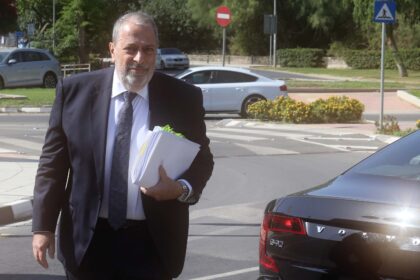
Chairman of the committee and Diko MP, Pavlos Mylonas, highlighted the urgent requirement for modern facilities during an inspection on Friday. He noted that while there are efforts underway to address some issues, the existing schools are still in dire need of upgrades.
New school: Concerns Raised at Liopetri Primary School
During the visit to the primary school in Liopetri, Mylonas pointed out the age of the building has led to several problems, particularly concerning its sports facilities. Despite the ongoing efforts to resolve these issues, the chairman acknowledged that the inadequacies of the current structure are affecting the quality of education.
Overcrowding Issues at Paralimni High School
At the Paralimni high school, which has seen renovations funded with millions of euros, the committee found that the need for six temporary classrooms persists. These classrooms are essential to alleviate the disruptions caused by students transitioning between classes. Even with significant financial investments, the school faces ongoing challenges linked to maintenance and overcrowding.
Challenges at the Paralimni Kindergarten
The kindergarten in Paralimni presents a unique case, as Mylonas noted that it currently caters to 200 children with only 30 teachers and no secretarial staff. The building, which dates back to 1980, is co-managed by the municipality of Paralimni and the education ministry, each holding a fifty per cent stake in its operation. This shared management has contributed to the maintenance issues plaguing the kindergarten.
Mylonas emphasised the pressing need for new school facilities to effectively combat overcrowding and improve the educational environment. The committee’s visit has brought to light the critical situation many schools face in these communities, prompting an urgent call to action for new constructions and upgrades.
As local authorities continue to grapple with these challenges, the education committee’s stance signals a pivotal moment in the quest for improved educational infrastructure in Paralimni and Liopetri. The voices of parents, teachers, and students alike echo the need for swift action to ensure that future generations receive the quality education they deserve.