military imagery — Cyprus must tread carefully in how it presents itself abroad as tensions in the Middle East persist, warns Demetris Georgiadis, chairman of the Cyprus economy and competitiveness council.
- Cyprus must tread carefully in how it presents itself abroad as tensions in the Middle East persist, warns Demetris Georgiadis, chairman of the Cyprus economy and competitiveness council.
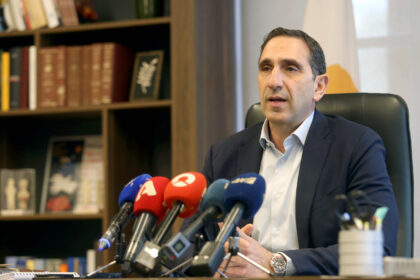
Speaking to the Cyprus News Agency, Georgiadis highlighted the risk of damaging the island’s reputation as a safe tourist destination. He stressed that any miscommunication or inappropriate military imagery could create a perception of insecurity, even if that is not the intended message. “Statements or images associated with warships or military bases may create a feeling of insecurity,” he stated.
Military imagery: Urgent Reassurance Needed for Tourists
In light of the ongoing regional crisis, Georgiadis urged the government to act swiftly to reassure tourist markets. He noted the importance of preparing contingency plans that would safeguard air travel connections, which are vital for maintaining Cyprus’ appeal as a holiday destination. “Once airlines cut routes and redeploy aircraft elsewhere, bringing those connections back is neither immediate nor guaranteed,” he explained.
Energy Challenges and Economic Implications
On the energy front, Georgiadis pointed out that Cyprus is now grappling with the repercussions of earlier delays in expanding renewable energy and securing natural gas. He remarked that the island’s capacity to respond effectively to current challenges is limited because of these missed opportunities. “As a result, the scope for reaction today is limited,” he said.
Georgiadis mentioned that taxation remains one of the few tools available to manage the economic fallout, although its effectiveness is constrained. He suggested that while cuts in consumption taxes could provide some relief, they might also create fiscal pressure without delivering the expected benefits to households. He emphasised the wider economic impact of rising energy costs, which affect inflation and, consequently, the cost of air travel for tourists heading to Cyprus.
Long-term Investment Opportunities
Despite the immediate challenges, Georgiadis sees the current crisis as an opportunity to strengthen Cyprus’ economic framework. He believes there is potential for the island to enhance its role as an energy hub and expand transit trade, provided there is improvement in infrastructure at ports and airports. Better connectivity would not only reduce transport costs but also render Cyprus more appealing to international businesses considering relocation.
“Ease of access remains a decisive factor, and Cyprus is at a disadvantage when several connecting flights are needed,” he noted. However, he acknowledged that such infrastructural projects require time and meticulous planning.
The Importance of Stability for Foreign Investment
Georgiadis reassured that Cyprus continues to uphold core advantages for foreign investment, such as its favourable tax framework and European Union membership. However, he cautioned that the greater risk lies in potential incidents that could incite panic. He stated, “The crucial element is that incidents do not arise that will cause panic and a feeling of insecurity.”
He expressed confidence that established businesses and investors in Cyprus are unlikely to be easily unsettled, especially as the situation becomes clearer over time. Maintaining good relations across the region, he remarked, is a strategic asset for the island.
Fiscal Caution and Sustainable Growth
Turning to fiscal policy, Georgiadis urged the government to exercise caution in public spending. He warned against the continued rise in inelastic expenditure, noting that the state payroll is already at elevated levels. “We must be very careful so that this does not continue,” he cautioned.
Furthermore, he advised against treating fiscal surpluses as permanent, arguing that they should not be relied upon to fund benefits, tax breaks or subsidies that may prove unsustainable in the event of weakened growth. He concluded with a reminder that external shocks can quickly alter fiscal outlooks.