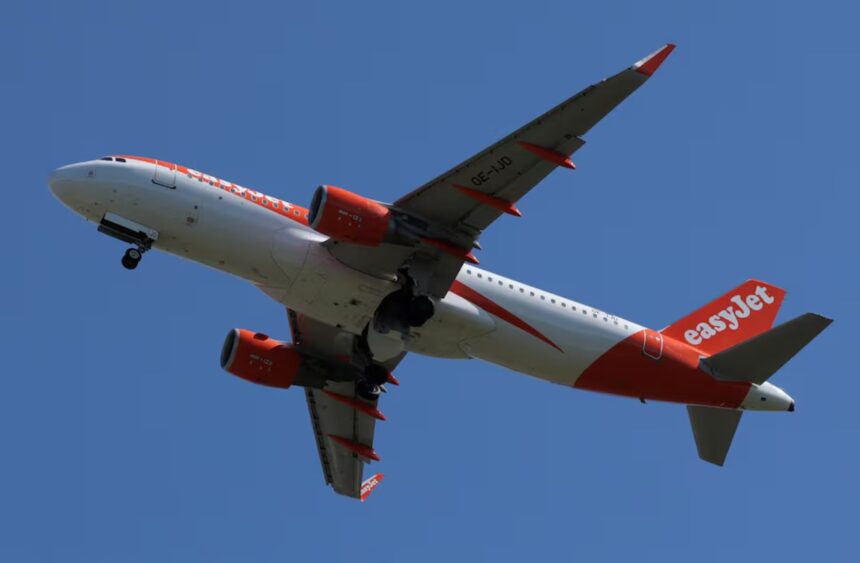
EasyJet is currently grappling with a slow recovery in travel to Cyprus, as rising geopolitical tensions have shifted customer demand towards domestic and western destinations. On Thursday, the budget airline disclosed a projected first-half pre-tax loss of between £540 million and £560 million, marking a significant decline from the previous year’s loss of £394 million.
The ongoing Iran war has had a ripple effect on the aviation industry, impacting fuel prices and customer behaviour. EasyJet noted that bookings have not only fallen short of last year’s levels but have also displayed a notable trend of travellers booking closer to their departure dates. CEO Kenton Jarvis remarked during a media call, “It’s a later booking window we’re really seeing. And if there is any shift, it’s a little bit away from the eastern Mediterranean, a little bit towards the Western Mediterranean.” Despite this trend, travel to Cyprus, Egypt, and Turkey is beginning to show signs of recovery.
Rival airline Wizz Air has already announced an anticipated €50 million hit to its annual net profit due to similar challenges, while Lufthansa has taken steps to withdraw 27 CityLine aircraft from service in response to rising fuel costs. The European aviation sector is on the brink of releasing its first-quarter results, and analysts are predicting that further capacity cuts may be imminent as the market adapts to the ongoing conflict.
EasyJet’s shares experienced a decline of up to 9 per cent following the announcement, with investor sentiment growing increasingly cautious. Analysts have expressed concerns that the airline may need to revise its financial outlook for the year, although the strength of its holiday business and robust balance sheet could provide a buffer against the current turbulence. Dudley Shanley, head of aviation at Goodbody, indicated, “We expect forecast to come back for FY26,” while also highlighting the challenges posed by slower bookings and reduced yield.
The rise in jet fuel prices, partly attributed to the Iran war, has forced airlines to adjust their pricing strategies and alter growth plans. EasyJet’s forecast includes an additional £25 million in fuel costs for March and £30 million attributed to increased legal provisions. The airline has hedged 70 per cent of its summer fuel at a price of $706 per metric ton, providing some protection against fuel volatility for the upcoming season; however, these hedges will begin to unwind towards the end of summer, raising concerns about potential price increases.
Looking ahead, EasyJet’s summer bookings currently sit at 63 per cent sold for the third quarter, compared to 65 per cent last year, with only 30 per cent sold for the fourth quarter from July to September. Jarvis noted that the load factors are uncertain, stating, “That will very much depend on what the late-summer market is like, and obviously what happens to the conflict in the next week or two.” The airline has already cautioned that ticket prices could rise towards the end of summer due to the ongoing geopolitical situation, further complicating the landscape for both airlines and consumers.
Despite these challenges, EasyJet maintains a liquidity reserve of £4.7 billion, which it hopes will enable it to navigate the troubled waters of the current operating environment while continuing to pursue its medium-term objectives.