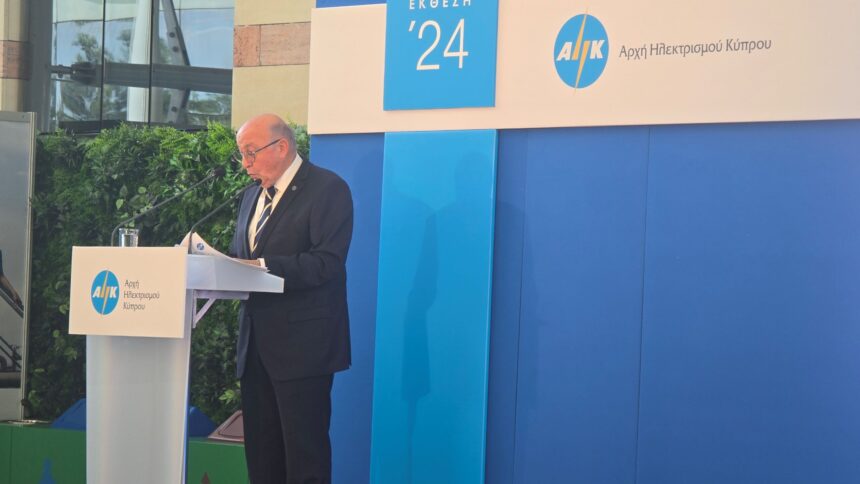
eac profit — eac profit — The Electricity Authority of Cyprus (EAC) has announced a net profit of €37 million for 2024, attributed in part to a €45 million reduction in greenhouse gas emissions costs compared to the previous year. This was revealed during an annual presentation by chairman Giorgos Petrou, where he outlined the corporation’s financial performance and operational developments.
Eac profit: Financial Overview and Operational Performance
In 2024, the EAC’s expenditure on greenhouse gas emissions allowances totalled €211 million, a significant decrease from €256 million in 2023. This reduction is linked to a decline in the price per emissions allowance. Despite this drop in costs, the EAC experienced an 8.5 per cent increase in payroll expenses, driven by new hires and cost-of-living adjustments.
Payroll now makes up 9.6 per cent of the EAC’s total operating expenses. The majority of spending—73 per cent—was allocated to fuel purchases, while 4 per cent was for materials and 3 per cent for maintenance. Total electricity sales reached 4.211 gigawatts, with the customer base increasing slightly to 627,100.
Revenue and Profit Margins
The EAC reported total revenues of €1.2 billion against total expenditures of €1.1 billion. Operating profit, which excludes interest and taxes, stood at €57 million. The net profit of €37 million reflects the EAC’s robust performance amidst fluctuating market conditions.
Power Generation Breakdown
During the year, the Vasiliko power station was the primary contributor to electricity generation, providing 69 per cent of the total output. The Dhekelia power plant followed, contributing 29 per cent, while the Moni facility accounted for just 1 per cent. Petrou mentioned that modifications had been made to the turbines at Vasiliko to enable them to operate using natural gas, with final tests pending.
Trends in Fuel Prices and Electricity Demand
The average price of fuel fell by 4.7 per cent compared to the previous year, which has had a positive impact on the EAC’s financials. In contrast, electricity consumption from the EAC’s grid increased by 5.6 per cent, indicating a rising demand for power.
Petrou highlighted a significant challenge faced by the EAC: the inability to export surplus renewable energy has resulted in throttling production. To address this issue, the chairman pointed to the importance of energy storage solutions. Currently, the EAC is in the process of installing three energy storage systems at transmission substations.
Investments in Renewable Energy
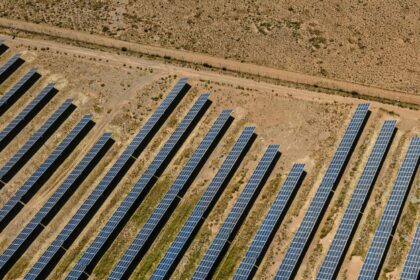
In line with efforts to bolster its renewable energy capabilities, the EAC has been expanding its portfolio of solar parks. Recently, two facilities located at Akrotiri and Acheras have come online, with electricity generation costs reported at 5 cents per kilowatt-hour. Plans are also underway for additional solar parks across the island, further diversifying the EAC’s energy sources.
Modernising the Grid with Smart Technology
As part of its commitment to modernising operations, the EAC has begun implementing smart meters across its grid. The initiative aims for a total installation of 400,000 smart meters, with 150,000 already deployed. This technology is expected to enhance efficiency and customer service.
Future Financing and Projects
Last year, the EAC submitted an application to the European Investment Bank (EIB) for a €215 million loan. These funds are earmarked for various projects focusing on the transmission and distribution networks, aiming to improve infrastructure in line with the corporation’s strategic goals.
Petrou’s presentation underscored the EAC’s proactive approach in navigating the energy landscape, balancing profit generation with sustainable practices. As the organisation continues to adapt to changing market dynamics, its focus on renewable energy and technological advancement appears set to play a critical role in its future success.