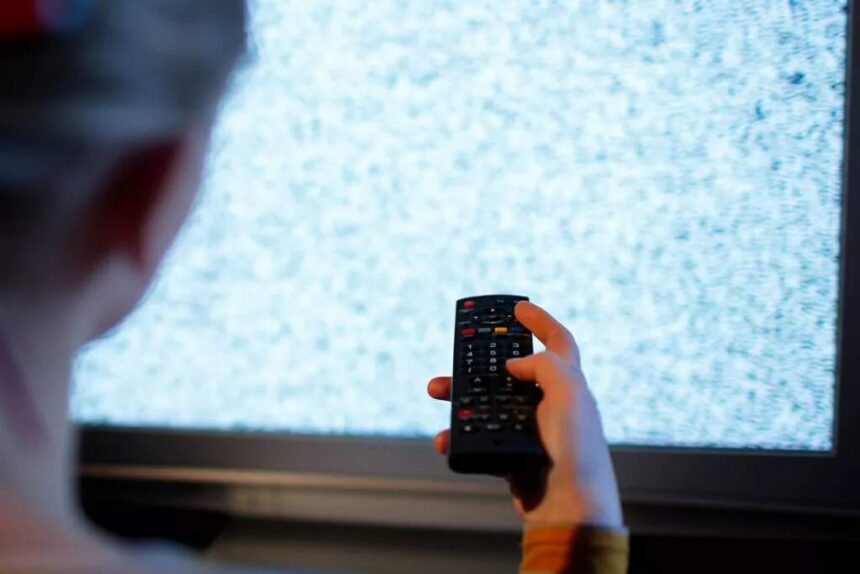
digital tv — The digital TV switchover has triggered a surge of complaints across Cyprus as households grapple with the transition from the old DVB-T broadcasting standard to the newer DVB-T2. Many viewers who completed the necessary settings or installed decoders still find themselves unable to tune into the new frequencies.
- For additional support, the service centre can be contacted at 22 00 07 37, providing further assistance to those still facing challenges with their digital television.
Hellas Sat, the company responsible for the new network, attributes most of the issues to outdated antenna installations, faulty cabling, and subpar decoders. The Deputy Ministry of Research and Innovation emphasises that while the transition was essential, many consumers delayed necessary preparations until the last moment.
Digital tv: Challenges in Tuning In
According to Hellas Sat CEO Christodoulos Protopapas, the Deputy Ministry provided a three-month period for the transition. He noted that problems typically arise once the previous system is switched off, a situation that has been observed in other countries as well. While he believes the number of affected households is a small percentage of the total, he highlighted that many users had not addressed their issues in a timely manner.
Cyprus was mandated to adopt DVB-T2 for its ability to deliver high-definition pictures across all televisions while utilising the broadcasting spectrum more efficiently. Protopapas explained that the increased data flow through the cables creates complications for older installations. Homes with signal amplifiers can also face difficulties due to the strength of the Hellas Sat signal, with older cabling being particularly sensitive to the new system’s requirements.
Support for Installers and Viewers
Hellas Sat has teams on standby to assist installers who may encounter challenges while setting up. Protopapas pointed out that viewers often fail to realise that the fault lies with their antennas rather than with Hellas Sat. He noted instances where consumers purchased low-quality decoders that could not receive DVB-T2 signals, while others needed to change their television’s country setting to activate the new system.
In light of these issues, he recommended that those who can afford it consider investing in a new television, as the DVB-T2 system is expected to remain in place for at least the next 30 years. Alternatively, he suggested purchasing a high-quality decoder to ensure compatibility.
Call Centre Overwhelmed by Inquiries
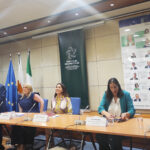
Andronikos Kakkouras, Deputy Director of the Department of Electronic Communications, revealed that Hellas Sat’s call centre recorded 1,600 calls the day before the switchover. The significant influx of calls indicates that many viewers are struggling with the transition. Kakkouras acknowledged that while citizens had a three-month period to prepare, many delayed until the final day.
He explained that the shift to high-definition broadcasting makes reception more sensitive, leading to problems even for those who attempted to tune into the new frequencies. In some cases, internal cabling faults were the culprits, while others required adjustments to television settings to select the correct country for decoding signals.
Decoder Issues and Installer Challenges
When discussing decoder-related problems, Kakkouras noted that there were instances where replacing the decoder was necessary for the system to function. He also mentioned that some installers inadvertently tuned households to the old frequencies used by Velister, rendering their televisions useless after the transition.
“We expected there would be problems because we are a last-minute people,” Kakkouras remarked, reflecting on the common tendency to procrastinate. He reiterated that other countries have faced similar challenges during such transitions, although many viewers have successfully tuned in without difficulty.
For additional support, the service centre can be contacted at 22 00 07 37, providing further assistance to those still facing challenges with their digital television.