Desalination plants now meet approximately 80 per cent of Cyprus’ total water requirements, according to the Water Development Department (WDD). The daily output from these facilities has reached around 245,000 cubic metres, a crucial figure as the island grapples with significant water shortages.
Desalination plants: Current Capacity and Operations
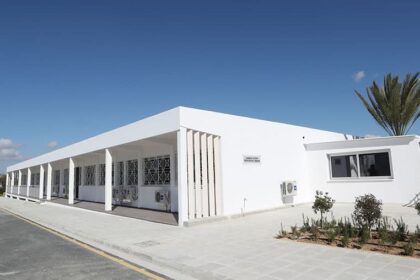
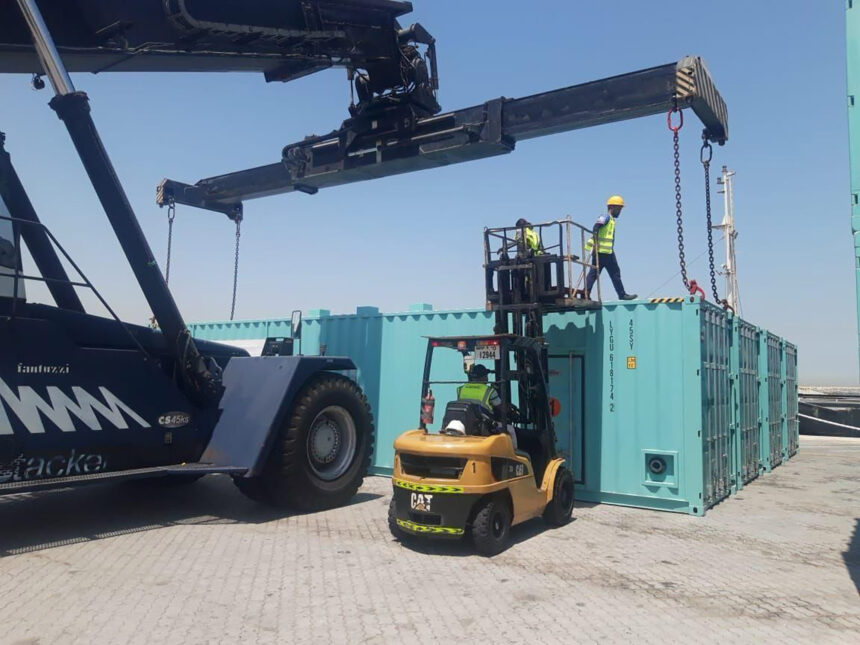
There are five permanent desalination plants located in Dhekelia, Larnaca, Vasiliko, Episkopi, and Paphos. In addition to these, two mobile units are operational in Kissonerga and Moni. Authorities are set to enhance water supply with the introduction of two more mobile units at Kato Polemidia and the port of Limassol, expected to be operational shortly. This expansion is particularly important as summer approaches, a season typically characterised by increased water demand.
Addressing Water Shortages
Cyprus is currently facing severe water shortages, with dam levels recorded at a mere 21 per cent. Recent winter rainfall has provided limited relief, emphasising the urgent need for reliable water sources. The WDD has outlined plans to have a total of 12 desalination units in operation by summer, with nine already active. However, officials recognise that even these efforts may not fully meet demand, resulting in appeals for household conservation and irrigation reductions for farmers.
Environmental Concerns and Community Protests
As the number of desalination units increases, environmental concerns have surfaced. In particular, there are fears regarding the potential impact on the EU-protected Posidonia oceanica meadows in Mazotos. Local residents have protested the rapid deployment of new units, calling for comprehensive environmental impact studies to ensure the sustainability of operations. They demand independent assessments and verification of compliance with environmental regulations.
Official Statements on Desalination Necessity
Eliana Christidou, director of the WDD, stated that all procedures related to the desalination operations are approved and closely monitored. Meanwhile, Elena Fysentzou, a spokesperson for the agriculture ministry, underscored the necessity of desalination in light of Cyprus’ limited alternatives for drinking water. As the island’s population continues to grow, reliance on desalination becomes increasingly vital.
Calls for Improved Water Management
While desalination plays a critical role in meeting Cyprus’ water needs, experts advocate for stronger demand-reduction policies. Charalambos Theopemptou, an MP from the Ecologists Movement, has highlighted the significant water losses that occur due to ageing infrastructure, estimating that up to 40 per cent of water can be lost before it reaches consumers. He has called for repairs to this infrastructure alongside the development of sustainable urban drainage systems.
Concerns Over Environmental Impact
Coastal engineer Xenia Loizidou, who has previously endorsed the use of desalination, has cautioned that the discharge of brine from these plants can pose risks to marine ecosystems if not managed correctly. This highlights the need for careful planning and regulatory oversight as Cyprus expands its desalination capacity.
Projected Energy Consumption and Emissions
Currently, Cyprus’ desalination plants generate over 550,000 tonnes of CO₂ annually. Projections indicate that by 2030, these facilities are expected to consume around 700 Gigawatts of energy. This raises additional concerns regarding the environmental footprint of desalination operations and the sustainability of energy sources used.
Need for Coordinated Policy Approaches
Theopemptou and Loizidou have both emphasised that without coordinated policy efforts, technical solutions such as desalination alone will not suffice. They advocate for thorough public consultations, careful planning, and the implementation of environmental safeguards to ensure the long-term sustainability of water resources in Cyprus.
As Cyprus continues to navigate the challenges of water scarcity, the role of desalination plants remains critical. These facilities not only provide a significant portion of the island’s drinkable water but also serve as a focal point for discussions surrounding sustainability and environmental protection.