The upcoming November 5 deadline is critical for the education ministry and teaching unions as they work to finalise a teacher evaluation plan aimed at reforming an outdated system.
- The upcoming November 5 deadline is critical for the education ministry and teaching unions as they work to finalise a teacher evaluation plan aimed at reforming an outdated system.
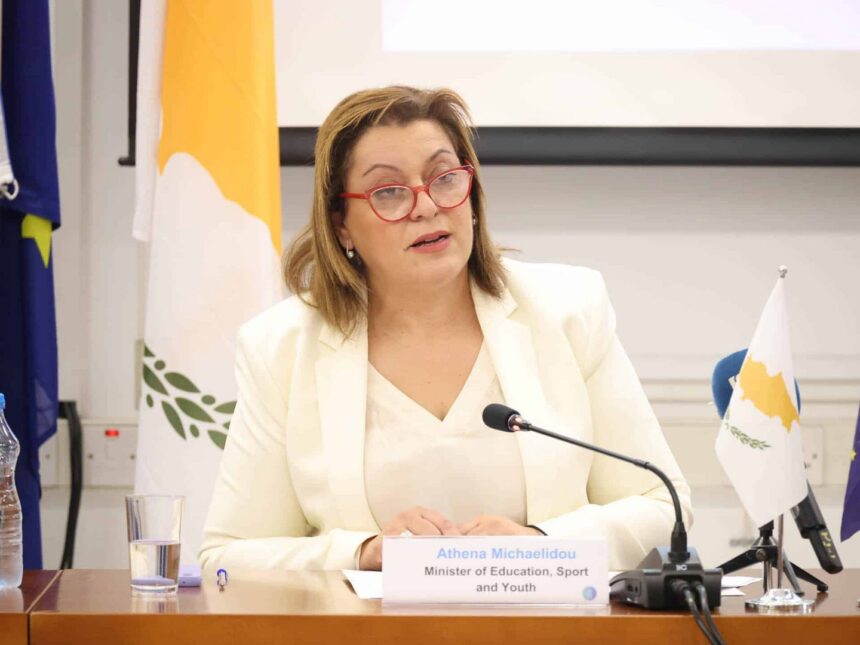
During a recent committee presentation, Cyprus Education Minister Athena Michaelidou outlined the ongoing changes needed to modernise the evaluation approach. Her comments came after extensive discussions with various educational organisations, emphasising the importance of addressing the concerns of teachers and other stakeholders.
“Our goal is to move forward with the evaluation plan with full respect for the concerns and questions our teachers or anyone else may have,” Michaelidou stated, reflecting the ministry’s commitment to inclusive dialogue.
However, the path to reform has not been smooth. House education chair Pavlos Mylonas revealed that negotiations with teachers’ unions, which began in June, have yet to yield a consensus. According to him, many of the unions’ proposals have been rejected, highlighting a significant divide between the ministry and the educators.
Despite these challenges, Mylonas is urging both the ministry and unions to engage in meaningful discussions over the next two weeks. The committee, initially set to make a decision on Wednesday, decided to extend the deadline to November 5, allowing more time for dialogue before a final decision is reached.
Reforming the teacher evaluation system in Cyprus is long overdue. The current framework, largely unchanged since the 1970s, has been deemed inadequate for the demands of contemporary education. It has come under scrutiny as many educators believe it fails to support their professional development and does not reflect current educational standards.
In a preliminary proposal set for rollout by February 2025, the ministry included principles of fairness, transparency, and scientific rigour. However, this initial plan has already faced criticism. Changes made to reduce the scoring power of principals and restructure appeals committees have not assuaged the unions’ concerns. Furthermore, the full implementation has been postponed to the academic year 2030-31, raising questions about the urgency of these reforms.
Teachers’ unions have voiced strong opposition to the proposed evaluation system, arguing that it does not adequately reflect their core demands. They cite concerns over the administrative burden it may impose as well as issues surrounding the fairness of the evaluations themselves. Tensions have continued to rise as unions accuse the ministry of failing to engage in effective dialogue, while the ministry maintains that the reform is crucial to align with EU standards and avoid potential financial penalties.
In light of the looming deadline, Michaelidou has emphasised the importance of using the additional time for further discussions with educational organisations. However, she has also been clear that achieving complete agreement on every point is neither feasible nor the objective of the negotiations. “It is unthinkable today, in an era of rapid change, to continue with an anachronistic and unjust system, which does not reward effort, does not encourage development and does not promote improvement,” she remarked.
The call for a modern, fair, and effective educational environment resonates strongly within the community. Many believe that the proposed reforms are necessary not just for compliance but for the betterment of the teaching profession and student outcomes.