The focus of this new initiative is to explore humanity’s relationship with data, tracing its evolution from ancient practices to modern technology.

Photo: cyprus-mail.com
Relationship with: A Comprehensive Journey Through Time
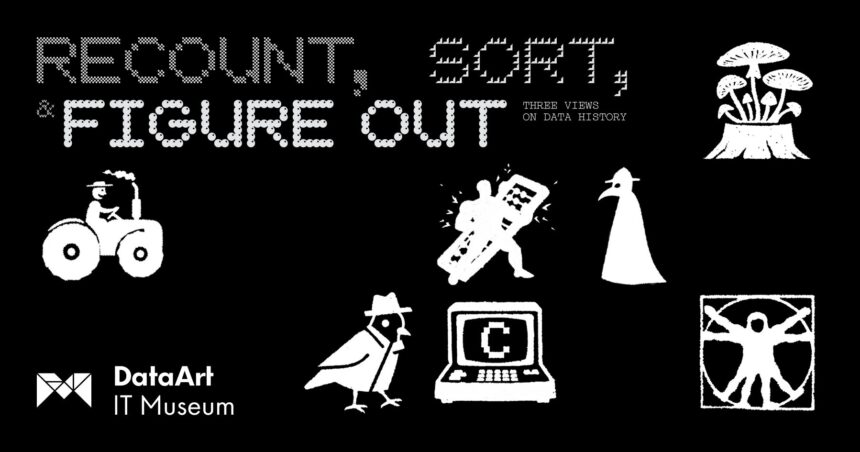
The DataArt IT Museum has launched an ambitious online project titled “Recount, Sort, and Figure Out,” which delves into the extensive history of how humans have interacted with data over thousands of years. This retrospective is accessible through the website retrospect.dataart.com and aims to highlight the journey from primitive counting systems to sophisticated artificial intelligence applications.

Photo: cyprus-mail.com
Historical Significance of Data Handling
According to the museum’s announcement, the project provides insights into how various societies have historically utilised records, counting systems, and tracking methods to manage increasingly intricate forms of information. These methods have allowed civilizations to build complex systems that far exceed the capabilities of individual memory and manual calculation.
The retrospective showcases a variety of examples, such as:
- The earliest spreadsheets used for managing beer supplies in ancient cultures.
- Taxpayer lists that helped empires flourish.
- Cargo manifests that tracked Viking trade goods, linking these foundational practices to modern digital tools like online shopping platforms and AI systems.
Three Thematic Perspectives
The project is structured around three thematic perspectives that elucidate the evolution of data handling across different civilisations and technological eras:
- Processing: This perspective explores the various methods of manipulating information, including the storage, sorting, and comparison of data.
- Representation: Here, the focus is on the forms through which information has been expressed over time, including symbols, tables, diagrams, and spreadsheets.
- Interfaces: This perspective examines the tools and technologies used to interact with information, from carved bones and clockwork mechanisms to contemporary mainframes and personal computers.
The DataArt IT Museum asserts that these combined perspectives present “a multi-millennial history of how the art of data handling has powered culture, technology, and imagination.”
Expanding the Narrative on Social Media
To further engage the public, the retrospective will also expand through a dedicated Instagram channel, operating under the handle @retrospect.dataart. This channel will provide additional material and updates, ensuring that the narrative surrounding humanity’s relationship with data continues to grow.
A Broader Context for IT Heritage
The DataArt IT Museum aims to be more than just an archive; it is a multi-channel historical project dedicated to exploring and promoting IT engineering heritage in the various regions where DataArt operates. The initiative seeks to place these developments within a broader global context, celebrating the contributions and achievements of pioneering computer engineers.
Aligned with the company’s “People First” corporate value, DataArt is committed to acknowledging the historical significance of IT advancements while contributing to a deeper understanding of the role that data has played in shaping human civilisation.
Looking Ahead
As the retrospective unfolds, DataArt plans to add further content and updates throughout the year. This will not only enhance the existing narrative but will also encourage a wider conversation about the significance of data in our lives today. By examining the past, the museum hopes to inspire future innovations in data handling and technology.
The initiative is a timely reminder of the importance of data in our modern world, where information is abundant and rapidly changing. By reflecting on how far humanity has come in its relationship with data, we can better appreciate the tools and technologies that define our current landscape.