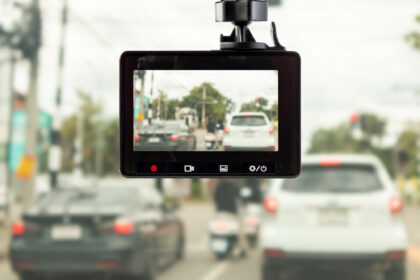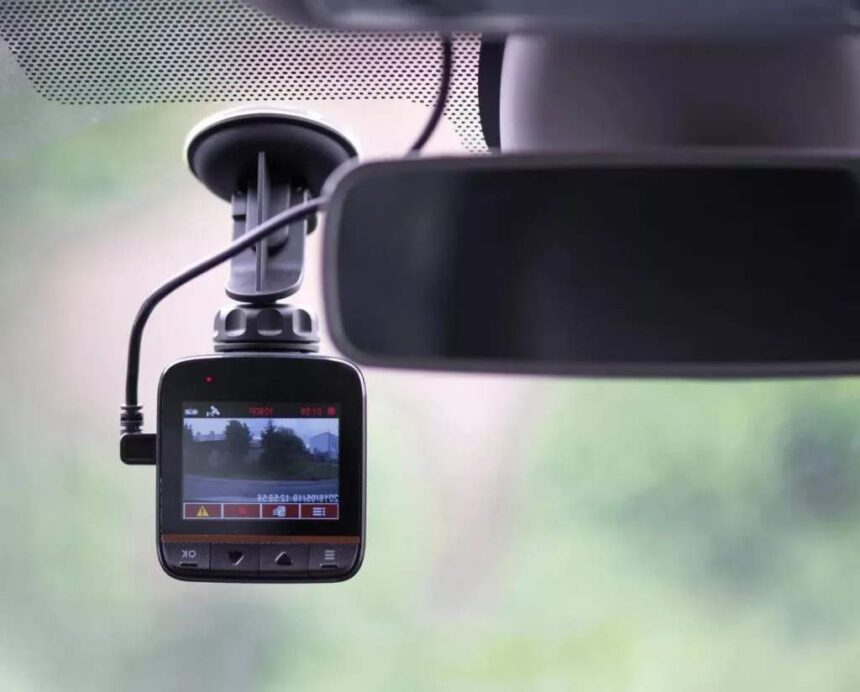
Dashcams will be legal in Cyprus starting July 23, 2026, under a new road safety amendment published in the Official Gazette on April 22, 2026. This legislation allows the installation and use of image-recording devices in private, commercial, and government vehicles, aiming to improve road safety and accountability.
Permitted Uses of Dashcams
The law outlines three specific uses for dashcams:
- Accident Protection: Dashcams can protect drivers by providing evidence in the event of an accident.
- Documenting Violations: They may also be used to document traffic code violations, accidents, or criminal acts, and footage can be shared with police for further investigation.
- Fleet Monitoring: For commercial vehicles, dashcams can help monitor fleets, particularly in cases of criminal activity or accidents.
Data Protection Compliance
While dashcams provide valuable footage, the law emphasises the importance of data protection. Footage must be collected and processed without breaching personal data regulations. Violations can lead to administrative fines under personal data protection legislation. The Commissioner for Personal Data Protection will release guidelines outlining the acceptable use of dashcams and the handling of personal data.
Restrictions on Public Sharing
Sharing dashcam footage that includes identifiable individuals or personal details without consent is prohibited. In cases where footage features minors, obtaining parental or guardian consent is mandatory before any sharing can occur.
Involvement of Police and Insurers
Police and insurance companies are set to benefit from the integration of dashcams in vehicles. They will have the authority to collect and utilise dashcam footage for investigating traffic offences, accidents, and criminal activities, potentially leading to more efficient resolution of such cases.
Role of Dashcam Footage in Court
It is important to note that dashcam footage will not automatically be considered evidence in court. Each case will be evaluated individually by the court to determine the admissibility of any recordings, ensuring a fair judicial process.