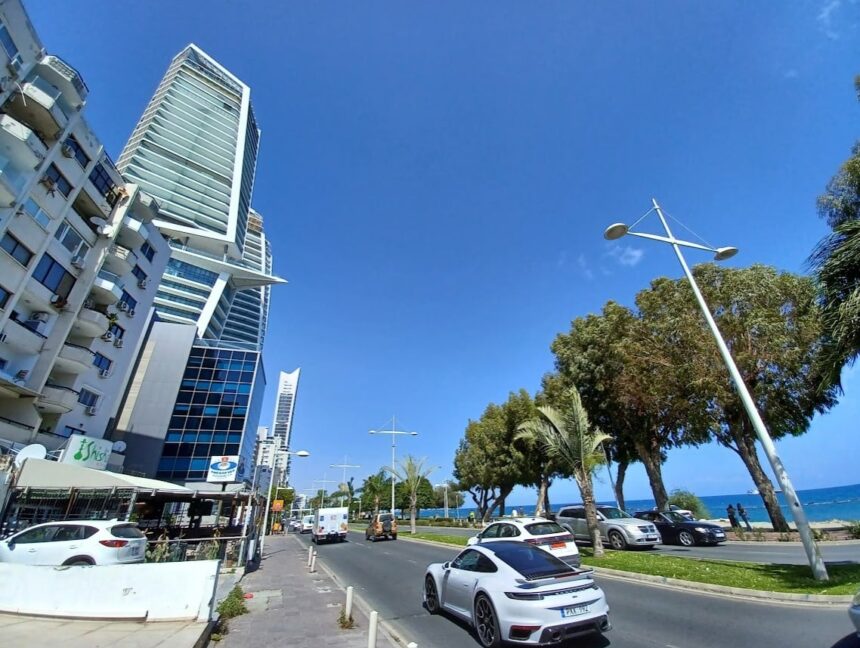
transport dependence — Cyprus’ transport dependence is heavily skewed towards road usage, as highlighted in a recent European Commission report. This reliance on road transport shapes not only the island’s infrastructure but also its environmental impact and travel experiences. With no railways to offer alternatives, understanding the nuances of Cyprus’ transport landscape is essential for both residents and visitors alike.
Transport dependence: Getting There: Arriving in Cyprus
Most international travellers arrive in Cyprus via Larnaca International Airport, the island’s busiest hub. The airport serves millions of passengers annually, making it a vital entry point. For those travelling from within Europe, budget airlines often provide affordable options, and it’s wise to book in advance during peak seasons to secure the best fares.
Transport Options on the Island
Once in Cyprus, getting around can be straightforward yet limited due to the lack of an extensive public transport system. Here are some key transport options:
- Car Hire: With 83.5% of inland passenger transport carried out by cars, hiring a vehicle is the most popular choice. Rental services are readily available at Larnaca and Paphos airports, offering flexibility to explore the island’s stunning coastline and mountainous interior.
- Buses: Though buses account for only 16.5% of transport, they provide a budget-friendly option for those wishing to travel between major towns and tourist attractions. Services are generally reliable, but check schedules in advance as they can be limited.
- Taxis: Taxis are widely accessible and can be booked through apps or found at designated ranks. While convenient, they can be pricier compared to other options.
Best Time to Go: Timing Your Visit
The ideal time to visit Cyprus is during the spring (April to June) and autumn (September to November) months, when the weather is pleasantly warm and the tourist crowds are thinner. Summer can be scorching, with temperatures often exceeding 30°C, making outdoor activities less enjoyable. Those seeking a quieter experience should consider visiting during the shoulder seasons.
Budget Tips: Maximising Your Experience
Travelling in Cyprus can be affordable with the right planning. Here are some budget tips:
- Public Transport: Utilising the bus system can drastically reduce transport costs. Look out for daily or weekly passes for greater savings.
- Local Cuisine: Eating at local tavernas instead of tourist spots can save you money while providing an authentic taste of Cypriot dishes.
- Free Attractions: Many of Cyprus’ beautiful beaches and hiking trails are free to access, allowing you to enjoy the natural beauty without spending a dime.
What to See: Highlights of Cyprus
Exploring Cyprus offers a mix of stunning landscapes, rich history, and vibrant culture. Here are some must-see destinations:
- Troodos Mountains: Ideal for hiking and absorbing breathtaking views, this mountainous region is home to traditional villages and UNESCO-listed churches.
- Ayia Napa: Famous for its lively nightlife and beautiful beaches, Ayia Napa attracts both party-goers and families alike.
- Kyrenia: Located in Northern Cyprus, this picturesque harbour town boasts a historic castle and charming waterfront, perfect for leisurely strolls.
- Paphos: A UNESCO World Heritage site known for its archaeological treasures, including ancient mosaics and the Tombs of the Kings.
Local Etiquette: Navigating Cultural Norms
Understanding local customs can enhance your experience in Cyprus. Here are some etiquette tips to keep in mind:
- Greetings: A friendly handshake is common, and addressing people with respect is appreciated. Use titles where appropriate.
- Dining: If invited to a local home, it’s customary to bring a small gift, such as sweets or flowers. When dining out, it’s polite to wait for the host to begin eating.
- Dress Code: While casual beachwear is acceptable in tourist areas, dress modestly when visiting churches or monasteries.
Environmental Considerations: The Road Ahead
Despite its heavy reliance on road transport, Cyprus has made strides in improving road safety, ranking eighth among EU countries for the lowest number of road deaths per million inhabitants. However, the report notes that transport emissions are a significant contributor to the island’s greenhouse gas output. As visitors, being conscious of our environmental impact is essential.
Opting for electric vehicle rentals or using public transport where possible can help reduce your carbon footprint while enjoying the beauty of Cyprus.
Booking Hints: Making the Most of Your Trip
To ensure a smooth and enjoyable trip, consider these booking tips:
- Advance Reservations: Book flights and accommodations early, especially during peak seasons, to secure the best deals.
- Transport Packages: Look for travel packages that include car hire or guided tours for added convenience.
- Travel Insurance: Always opt for travel insurance that covers transport-related issues, ensuring peace of mind during your adventures.
With its road dependence shaping both the travel experience and environmental landscape, Cyprus offers a unique blend of adventure, culture, and stunning vistas. Understanding the transport options available allows for a more enriching experience on this beautiful Mediterranean island.