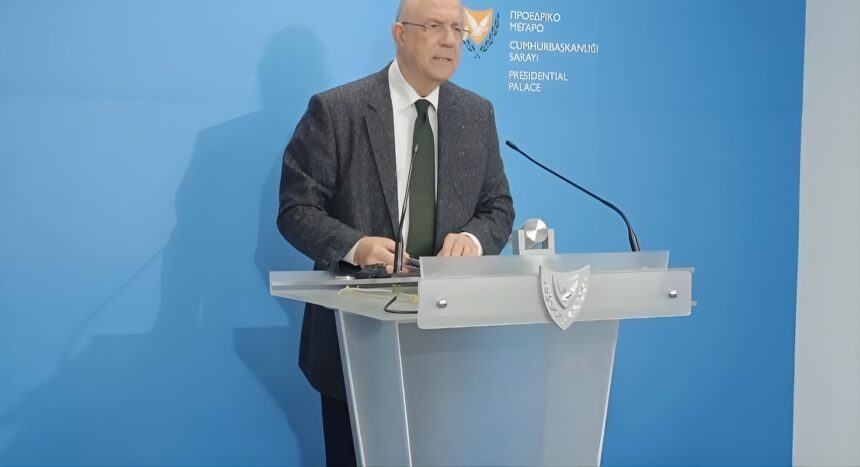
Cyprus chaired its first General Affairs Council on Cohesion Policy under its EU Presidency, with Finance Minister Makis Keravnos leading discussions in Brussels. The meeting, held on Thursday, highlighted the importance of cohesion policy in bolstering competitiveness and economic resilience across the European Union.
Upon arrival, Keravnos expressed pride in presiding over such a significant gathering during Cyprus’ six-month term at the Council’s helm. He remarked, “It is a great pleasure for me to chair today’s meeting on Cohesion Policy, which is the first since Cyprus took over the Presidency.”
In his address, the Finance Minister outlined the Cyprus Presidency’s motto: “an autonomous Union, open to the world.” He emphasised that achieving strategic autonomy hinges on fostering competitiveness and economic resilience, asserting that “cohesion policy is directly linked to strengthening the competitiveness and resilience of the economy.”
As discussions unfolded, Keravnos detailed two main agenda items: the adoption of Council conclusions on urban areas and a review of cohesion policy for the 2021-2027 period. He noted, “The first concerns the adoption of the Council conclusions on cities and the second the mid-term review of cohesion policy for the period 2021-2027.”
According to diplomatic sources cited by the Cyprus News Agency, ministers will evaluate the future direction of European policy concerning cities and functional urban areas. The focus will be on their roles in economic, social, and territorial cohesion, as well as their contributions to social inclusion, competitiveness, and innovation.
Additionally, the Council is set to review findings from the mid-term evaluation of cohesion policy, with particular attention to enhancing incentives and flexibility for the upcoming programming cycle. The aim is to achieve closer alignment with the EU’s strategic priorities amid ongoing economic and geopolitical challenges.
Keravnos indicated that discussions will also explore ways to bolster the administrative and operational capabilities of member states and regions. This includes providing increased support to areas facing specific geographical and development challenges, notably the EU’s eastern border regions.