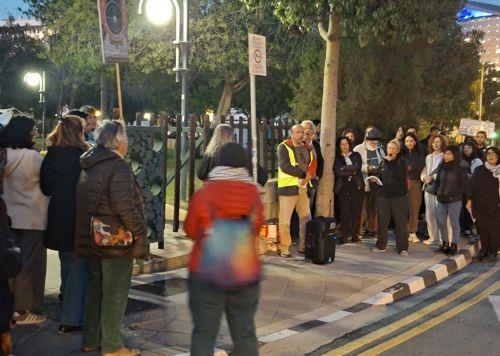
Demonstrators gathered outside the presidential palace and the foreign ministry in Cyprus on Thursday afternoon, calling for the country to sever its ties with nations involved in military strikes against Iran. The protest saw participation from a variety of groups, including United For Palestine, Anatropi, Neda, BDS Cyprus, Genocide-Free Cyprus, Far-Right Watch, and Voices for Peace.
Cyprus: Voices Against Military Action
The demonstrators expressed their concerns over Cyprus’s cooperation with countries like the United States, Israel, and the United Kingdom, which they accuse of directly supporting military actions against Iran. Markos Economou, a spokesperson for United For Palestine, highlighted that the conflict is driven not by the decisions of individual leaders but by broader geopolitical interests, particularly regarding control over oil resources.
Demand for Policy Change
The protestors issued a clear demand to President Nikos Christodoulides and Foreign Minister Constantinos Kombos to halt all forms of cooperation with nations involved in the conflict. In their press release, the groups emphasised the dangers posed by the “unjustified and merciless bombing of Iran,” arguing that such actions threaten the safety of populations across the Middle East and beyond.
Concerns About Regional Stability
Economou articulated the sentiment of many participants, stating, “Cypriots have nothing to gain from this grand game of resources competition.” His comments reflect a widespread belief among demonstrators that the ongoing military actions serve only the interests of foreign powers, rather than contributing to regional stability or security.
The Broader Context of Military Intervention
The protestors also voiced their opposition to the presence of British military bases on the island, viewing them as a symbol of colonial legacy and complicity in foreign military actions. They argue that the involvement of Western powers in conflicts in the Middle East, particularly in Iran, is not genuinely aimed at promoting democracy or preventing nuclear proliferation, but rather at maintaining control over regional resources.
Plans for Continued Advocacy
In addition to the Thursday demonstration, the groups have announced plans for another protest outside the presidential palace on Saturday. This continued activism underscores a commitment to raising awareness about the implications of Cyprus’s foreign policy decisions concerning military interventions in the region.
Calls for Solidarity and Action
The demonstrators’ message is clear: they seek solidarity among Cypriots and urge the government to reconsider its alliances. By highlighting the connections between military action and resource exploitation, they aim to mobilise public opinion against policies that they perceive as detrimental to both national and regional interests.
International Perspectives on the Conflict
The ongoing tensions surrounding military actions against Iran have drawn international scrutiny and debate. Observers have pointed out that the US’s military interventions often come with complex narratives that involve strategic interests, regional power dynamics, and humanitarian concerns. The protestors in Cyprus are calling for a more critical examination of these narratives, urging citizens and their leaders to reflect on the broader implications of their country’s foreign policy.
Engagement with Global Movements
As tensions rise in the Middle East, movements advocating for peace and justice have gained momentum globally. The Cypriot demonstrators align themselves with similar protests worldwide, aiming to create a unified front against what they view as aggression and imperialism. Their actions reflect a growing consciousness about the interconnectedness of global conflicts and the role that smaller nations play in these geopolitical struggles.
A Call for Reflection and Change
Ultimately, the demonstrators are calling for a fundamental reevaluation of how Cyprus engages with other nations in light of military actions that they believe compromise the safety and sovereignty of its people. By advocating for a cessation of military cooperation, they aim to shift the narrative towards one of peace, solidarity, and mutual respect among nations.
Looking Ahead
As the situation develops, the ongoing protests in Cyprus serve as a reminder of the vital role that public opinion plays in shaping foreign policy. The commitment shown by these groups reflects a desire for a more peaceful and equitable approach to international relations, one that prioritises human rights and regional stability over military alliances.