Water scarcity is becoming a pressing issue for Cyprus, with Agriculture Minister Maria Panayiotou revealing that 2025 is set to be the worst year since 1901 in terms of prolonged drought. During a recent announcement, the minister outlined the agriculture ministry’s priorities for 2026, highlighting a robust plan to tackle the water crisis.
Water scarcity: Government’s Strategic Measures
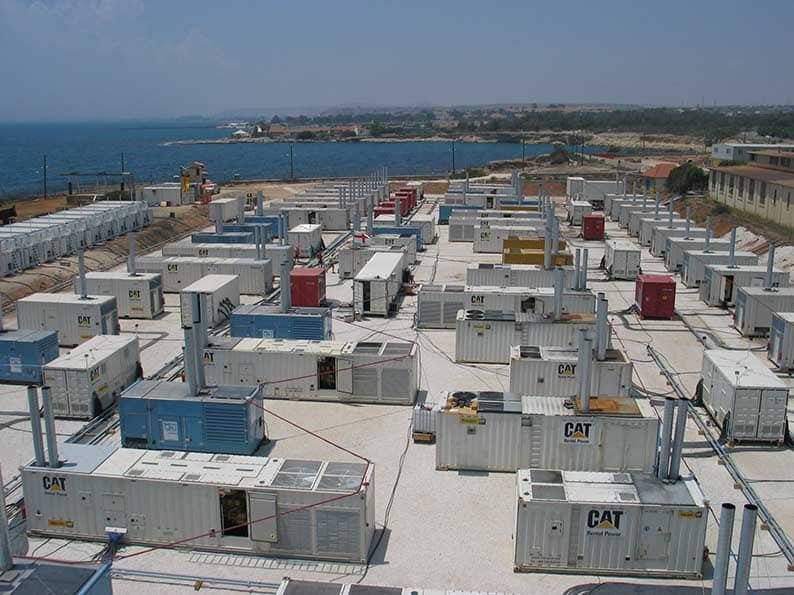
To address this alarming situation, the government is set to implement a series of measures focusing on desalination, which is seen as a vital resource in combating water shortages. Panayiotou stated that at least seven desalination projects are planned for Limassol, Paphos, and Famagusta.
Budget Allocations for Desalination
A significant budget of €200 million has been earmarked for upgrading the existing water network and purchasing desalinated water, with more than €140 million specifically allocated for the latter. This marks the largest sum ever dedicated to acquiring desalinated water in Cyprus.
Streamlining Desalination Unit Registrations
In an effort to enhance local efforts, the government has simplified registration procedures for establishing small private desalination units. Additionally, funding has been made available to local district organisations (EOAs) to improve water loss minimisation initiatives.
Concerns Over Environmental Impact
Despite the government’s proactive approach, some scepticism remains. Charalambos Theopemptou, committee chairman and Green’s MP, raised concerns about the environmental impact of desalination processes, particularly regarding salt dispersal and its effect on local fish populations. In response, Panayiotou assured that stringent regulations are in place to mitigate such impacts and that studies are being conducted to analyse brine accumulation effects.
Future Water Supply Strategies
While addressing concerns about potential water cuts, Panayiotou highlighted that ongoing projects aim to prevent such measures. However, she acknowledged that certain mountain communities are not yet connected to the desalination network, with studies currently underway to explore options for inclusion.
Infrastructure Developments and Community Inclusion
Elena Foinikaridou, deputy director of the water development department, mentioned that 29 communities in west Nicosia are expected to join the water network by 2030 as part of the Vasilikos-Nicosia pipeline project.
Exploring Cloud Seeding as an Option
DISY MP Savia Orphanidou raised the possibility of implementing cloud seeding to alleviate water scarcity. Panayiotou noted that discussions with experts from Israel and the United Arab Emirates are ongoing, although the effectiveness of this measure has yet to be confirmed.
Supporting Local Agriculture
The impact of water scarcity on local farmers is also a critical concern. MP Nikos Kettiros emphasised the need for farmers to consider water availability when planning future crops. In response, Panayiotou indicated that farmers have been informed about suitable crops and quantities based on current water conditions.
Water Consumption Regulations Under Discussion
Kettiros further questioned the use of water for swimming pools amid agricultural struggles. Panayiotou acknowledged that talks with the urban planning department are taking place regarding the potential use of seawater in pools, similar to practices in other countries.
Future Plans for Akamas Development
As the discussion shifted towards the Akamas region, Panayiotou revealed that a new road network project is set to be submitted to the Council of Ministers soon, with a focus on reducing environmental impact. Progress is also being made in hiring park rangers and implementing operational rules, with an aim for completion by 2027.