Cyprus generates 653 kilograms of municipal waste per person each year, significantly higher than the EU average of 511 kilograms, highlighting its pressing waste management challenges. Currently, 76% of its mixed municipal solid waste ends up in landfills, starkly contrasting with the EU average of 23%. A key issue hindering progress is the lack of a robust system to manage this waste effectively.
- The absence of a source-separation policy, according to Theopemptou, remains a critical gap that undermines the potential for biogas systems, as it prevents the secure supply of quality feedstock.
Unfulfilled Waste Sorting Obligations
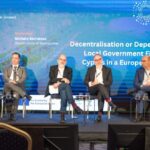
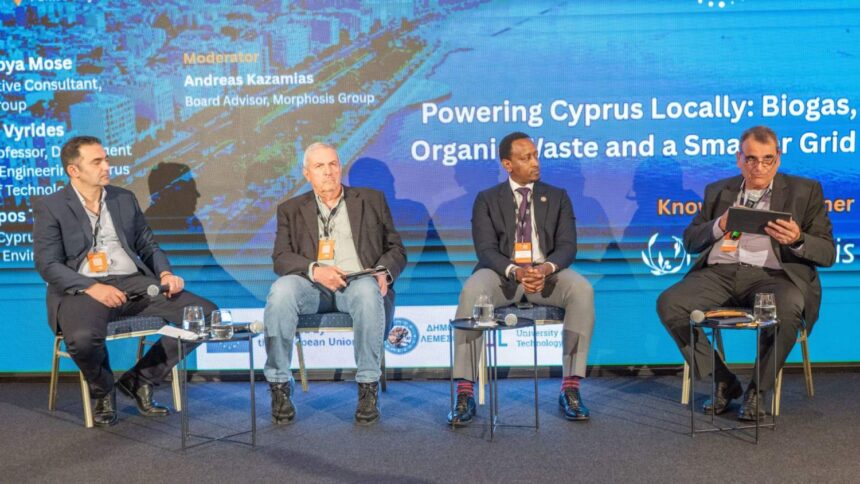
As per EU directives, Cyprus was expected to implement mandatory waste sorting at the municipal level by June 2024, yet this initiative remains unfulfilled. At the Cyprus Forum Cities 2026, held on 24 April in Limassol, experts discussed the implications of this delay and the hurdles faced in establishing effective waste management systems. The forum featured panels that focused on two critical areas: the potential of biogas technology to convert organic waste into energy, and the stalled Pay-As-You-Throw (PAYT) scheme.
Biogas: A Missed Opportunity
The panel on biogas, moderated by Andreas Kazamias from Morphosis Group, emphasised the technical feasibility of transforming Cyprus’ organic waste into renewable energy. Despite the potential, Cyprus continues to rely heavily on landfilling its waste while depending on imported energy sources.
Dr Ioannis Vyrides, an Associate Professor at the Cyprus University of Technology, outlined a viable model for biogas production. He advocated for the integration of farm-scale anaerobic digesters with municipal infrastructure, underscoring the necessity of prioritising feedstock quality and source separation.
Dr Tedd Moya Mose from Morphosis Group addressed the lack of investment in biogas projects, pointing out that the absence of guaranteed feedstock and a supportive financial structure deter potential investors. Citing examples from Germany, Denmark, and Italy, he noted that these countries have successfully implemented mechanisms like long-term feed-in tariffs and integrated biogas systems to attract investment.
For Cyprus to invite viable biogas investment, Moya Mose stressed the need for clear market signals, including guaranteed feedstock and blended financing options that combine public and private capital. Currently, such mechanisms are absent or poorly coordinated.
Regulatory Challenges and Coordination Issues
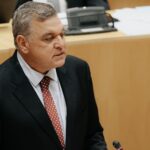
Charalampos Theopemptou, Chair of the Environment Committee in the Cypriot Parliament, highlighted the cumbersome regulatory landscape that complicates biogas project approvals. Existing projects require multiple permits, leading to delays and inefficiencies. He mentioned a recent law that recognises compost as a saleable product as a positive step and advocated for the use of the Green Procurement Directive to develop a local market for compost.
The absence of a source-separation policy, according to Theopemptou, remains a critical gap that undermines the potential for biogas systems, as it prevents the secure supply of quality feedstock.
Challenges in Implementing Pay-As-You-Throw
The PAYT panel approached the waste management issue from the perspective of legal obligations that remain unmet. Joanna Constantinidou, Senior Environment Officer at the Ministry of Agriculture, reiterated that Cyprus is mandated by the EU Waste Framework Directive of 2018 to implement waste sorting, particularly for organic waste, by June 2024. The Thalia programme, running from 2021 to 2027, was introduced to assist municipalities in meeting these obligations.
However, mayors participating in the panel expressed concerns regarding the lack of coherent directives from the central government. Kyriacos Xydias, Mayor of Amathounta, emphasised that without clear guidance and adequate funding, municipalities cannot be expected to create effective waste sorting systems independently.
Stavros Hadjiyiannis, Mayor of South Nicosia-Idalio, directly attributed the delays to government inaction, arguing that municipalities should not bear the blame for failures caused by insufficient infrastructure investment. He called for realistic national targets that reflect the current capacity of local systems.
Public Trust and Future Waste Management
Pantelis Georgiou, Mayor of Kourion, cautioned against the potential pitfalls of the PAYT scheme. He warned that without a functional system to support it, PAYT may merely shift financial burdens onto citizens rather than incentivising positive behaviour changes. He advocated for focusing on reducing waste generation and improving practices before implementing cost-linked fees.
The underlying message from both panels is clear: Cyprus must address its waste management challenges with a collective effort that combines regulatory clarity, political will, and effective central government coordination. While local examples like the Aglandjia pilot indicate that PAYT can work, a national commitment is essential to translate isolated successes into a comprehensive waste management system.
Until such commitment is made, Cyprus is likely to continue burying the majority of its waste while relying on imported energy sources, underscoring the urgent need for a cohesive strategy to tackle its waste management issues.