electricity shortage — Cyprus may encounter a significant electricity shortage by 2030, as warned by opposition politicians during a recent press briefing. The warning comes after a closed-door session of the House audit committee that reviewed a report from the Audit Office regarding the delayed LNG project at Vasiliko.
Electricity shortage: Concerns Raised by Opposition Leaders
Following the session, Akel leader Stefanos Stefanou expressed his deep concerns, labelling the situation as “one of the biggest scandals in the history of Cyprus.” He highlighted the urgency of the matter, stating, “We risk being left without power after 2030, and the solutions will be bloody, financially speaking.” This statement underscores the potential economic implications of a power shortage, which could severely affect consumers and businesses alike.
Impact of LNG Project Delays
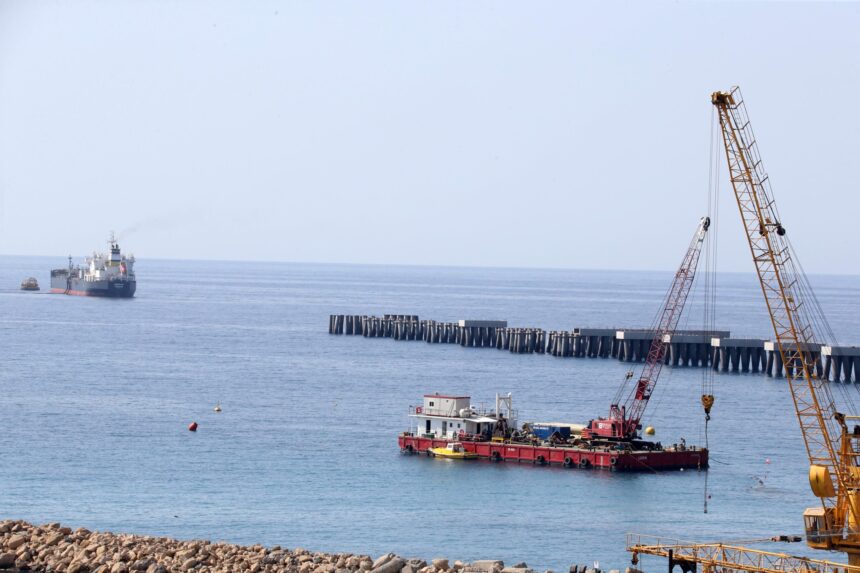
The LNG project has been plagued by delays, leaving Cyprus reliant on expensive electricity sources. Stefanou pointed out that the non-utilisation of natural gas has resulted in high electricity prices for consumers. Additionally, Cyprus has been burdened with purchasing greenhouse gas emissions allowances, costing the country €1.2 billion from 2018 to mid-2025.
Government Accountability Under Scrutiny
Stefanou did not hold back in criticising the government’s handling of the situation, stating, “Faced with this terrible scandal, the Christodoulides administration’s approach is this: slow as molasses.” He described the government’s failure to adequately address the looming crisis as adding to a “ticking time bomb,” warning that urgent action is necessary to avert disaster.
Planned Decommissioning of Power Turbines
As part of the impending challenges, authorities must decommission power turbines at the Dhekelia power station and three other turbines at the Vasiliko plant by the end of 2029. This will result in a loss of 720 megawatts of power generation capacity, necessitating replacements to ensure continued electricity supply.
Current Status of the LNG Project
During the audit committee session, MP Odysseas Michaelides acknowledged that the current administration had “inherited” the LNG issues but urged that no significant progress has been made over the past three years. The government is still in search of new contractors to complete the half-finished LNG project, which was initially awarded in 2019 with a deadline of 24 months for completion.
Missed Deadlines and Contract Termination
The Chinese-led consortium that held the contract has missed multiple delivery deadlines, including September 2022, July 2023, October 2023, and the latest for July 2024. In July 2023, the consortium terminated the contract, citing “insurmountable differences” with the Cypriot government and claiming unpaid invoices as a reason for their withdrawal.
Future Risks and Responsibilities
As the situation develops, the MPs have called for the government to take responsibility and provide clear answers regarding plans to ensure energy sufficiency. The energy ministry, the attorney-general’s office, the energy regulator, and the Natural Gas Public Company (Defa) were all present at the closed session, indicating the gravity of the discussions surrounding Cyprus’s energy future.
Calls for Urgent Action
In light of the pressing concerns raised, it is clear that time is of the essence. The warnings from opposition leaders serve as a call to action for the government to prioritise the resolution of the LNG project and to develop a robust strategy to secure Cyprus’s electricity needs ahead of the 2030 deadline. Failure to do so could leave the island vulnerable to power shortages and economic ramifications that could ripple through society.
As the landscape of energy production and consumption evolves, the importance of transitioning to reliable and sustainable energy sources becomes increasingly critical. The situation in Cyprus serves as a stark reminder of the challenges many countries face in securing their energy futures amid changing global dynamics.