cyprus culture — cyprus culture — The culture sector in Cyprus is in dire straits, prompting a coalition of forty cultural organisations to address their concerns directly to President Christodoulides. In an open letter dated 1 September 2025, the organisations expressed their “deep disappointment and serious concern” regarding systematic marginalisation and censorship affecting the arts.
The letter highlights the formation of a “new order” within the Deputy Ministry of Culture, which they argue has led to visible detrimental consequences for the nation’s cultural life. They claim that cultural entities and independent workers are enduring unprecedented devaluation, intimidation, and an environment that undermines artistic production as well as the overall health of the cultural ecosystem.
Cyprus culture: Concerns Over Venice Biennale Participation
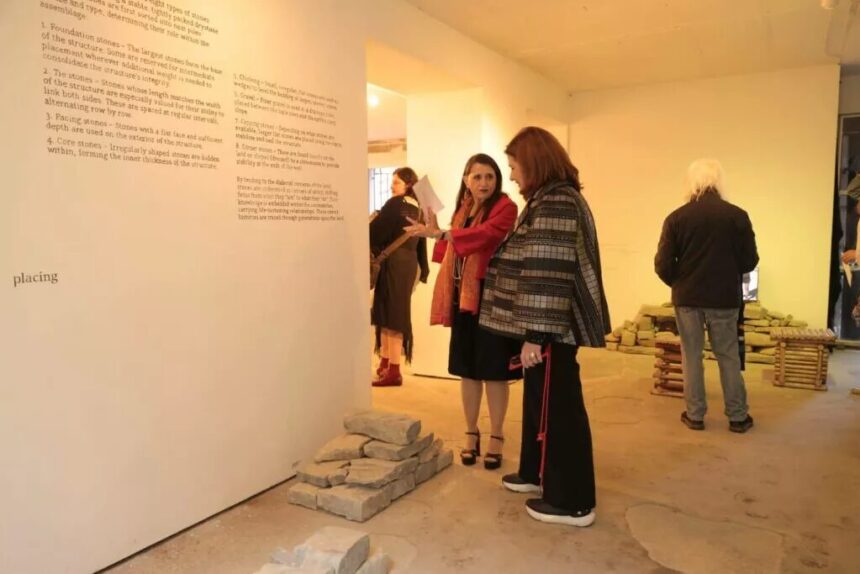
One of the key issues raised by the organisations pertains to the handling of Cyprus’s participation in the Venice Architecture Biennale. The Deputy Culture Minister, Vasiliki Kassianidou, faced criticism after ordering the withdrawal of a publication written in the Cypriot dialect that detailed events of the 1974 Turkish invasion. This decision followed accusations from DIKO MP Pavlos Mylonas regarding the government’s oversight of cultural funding and content.
Kassianidou justified the withdrawal by stating that artistic expression should be limited to the official languages of the Republic, a stance the organisations decried as promoting state censorship. Their letter pointed out that the Deputy Ministry’s unsigned response to prior complaints contained inaccuracies and accusations against Biennale participants, reflecting a lack of seriousness in addressing the complaints.
Funding Reforms Under Scrutiny
The letter also raises alarming concerns regarding recent funding programme reforms, which the organisations argue have led to a significant reduction in beneficiaries and have negatively impacted key cultural sectors. They noted that grant amounts for approved applications have remained unchanged for thirteen years, ignoring inflation and rising production costs.
Moreover, proposed legislation concerning artist status was presented to Parliament without substantial dialogue with cultural workers, leading to further criticism. Inequality in theatre funding schemes was also highlighted, where established entities receive preferential treatment while newer and independent groups are excluded.
Allegations of Dismissive Conduct
The organisations provided troubling accounts of dismissive behaviour from senior Deputy Culture Ministry officials. During an open meeting, one official allegedly stated, “Do whatever you want, I will still receive my salary,” while another reportedly warned visual arts representatives that grants should not be taken for granted. These comments were described as contentious and lacking empathy, revealing a problematic attitude towards cultural professionals.
Impact on State Cultural Institutions
The letter outlines the suspension of activities at two State Galleries in Nicosia, which have previously served as vital cultural and educational centres. This move, alongside the removal of experienced staff from the Contemporary Culture Department, has weakened entire artistic sectors, particularly visual arts, which had previously shown significant mobility.
The organisations noted that ministry officials have been absent from major cultural events and festivals, a move they argue devalues the country’s cultural activities. They called this a severe crisis in the nation’s cultural policy, stating that the leadership of the Deputy Culture Ministry has turned against the very community it should champion.
In a plea for change, the cultural organisations urged President Christodoulides to take decisive action to restore institutional order, protect artistic and intellectual creation, and safeguard the public interest in Cyprus’s culture sector.