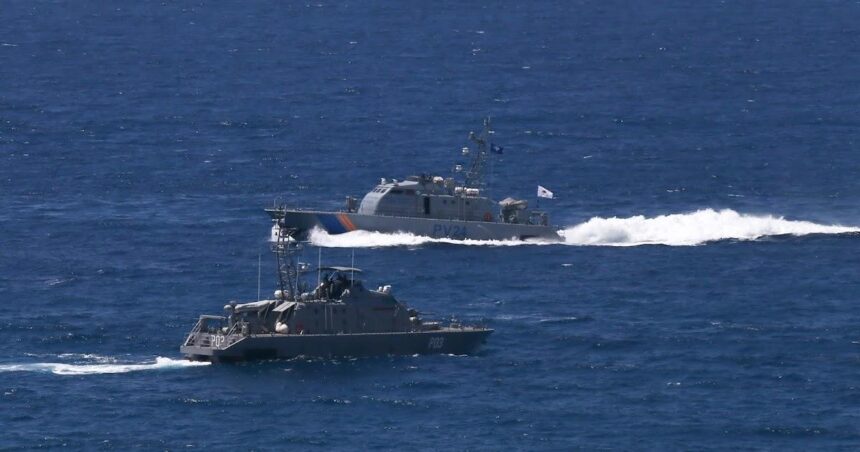
The Republic of Cyprus has significantly strengthened its maritime defense efforts with the deployment of new naval patrols across its exclusive economic zone (EEZ). This move aims to enhance the island’s security amid rising challenges in the Eastern Mediterranean, safeguarding crucial offshore energy resources and reinforcing sovereignty over its territorial waters. The expanded naval presence underscores Cyprus’s commitment to maintaining stability in its maritime domain while cooperating with regional and international partners to deter unauthorized activities and ensure safe navigation. This strategic development comes as tensions over resource exploration continue to shape the geopolitical landscape, prompting Cyprus to take proactive measures in protecting its economic and security interests at sea.
Strategic Deployment Timeline and Operational Scope
The newly announced naval patrols by the Cyprus Navy mark a significant escalation in the Republic’s efforts to secure its maritime exclusive economic zone (EEZ). These patrols are slated to begin immediately, with operational capacity expected to ramp up over the coming weeks as additional assets are deployed. Senior defense officials have confirmed that the initial phase will focus on increasing presence around key offshore installations, particularly energy exploration sites, which have been subject to heightened monitoring amid regional tensions.
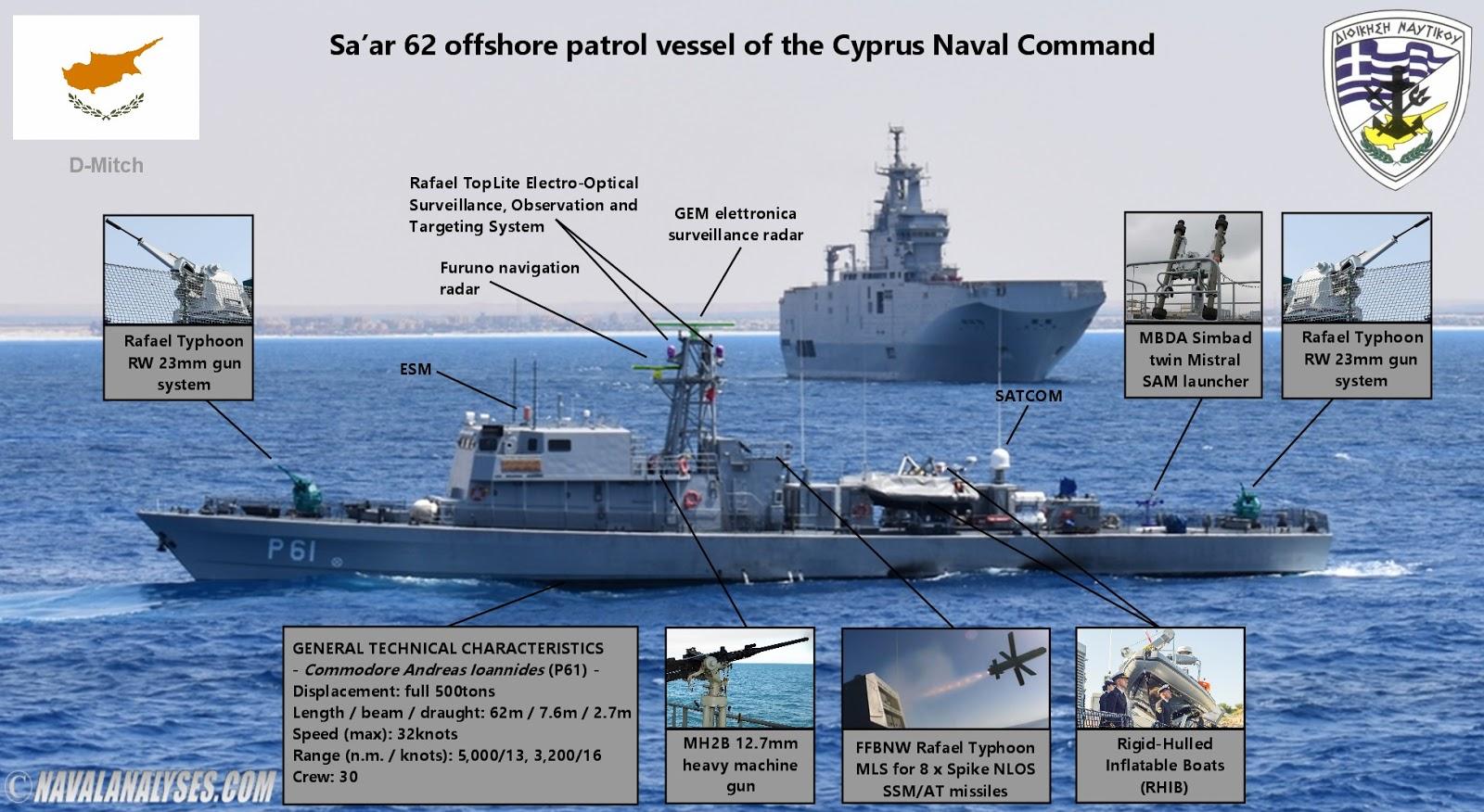
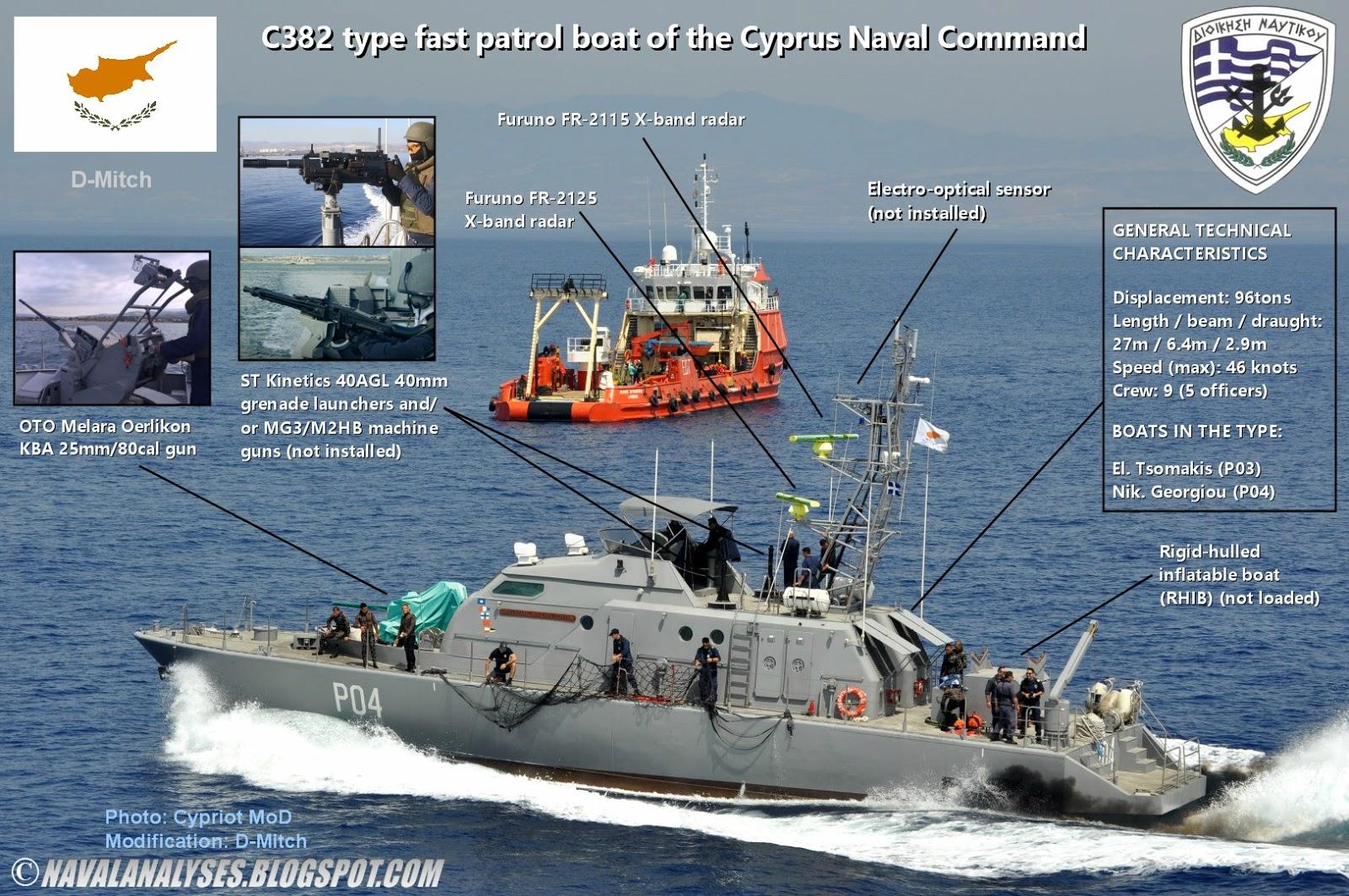
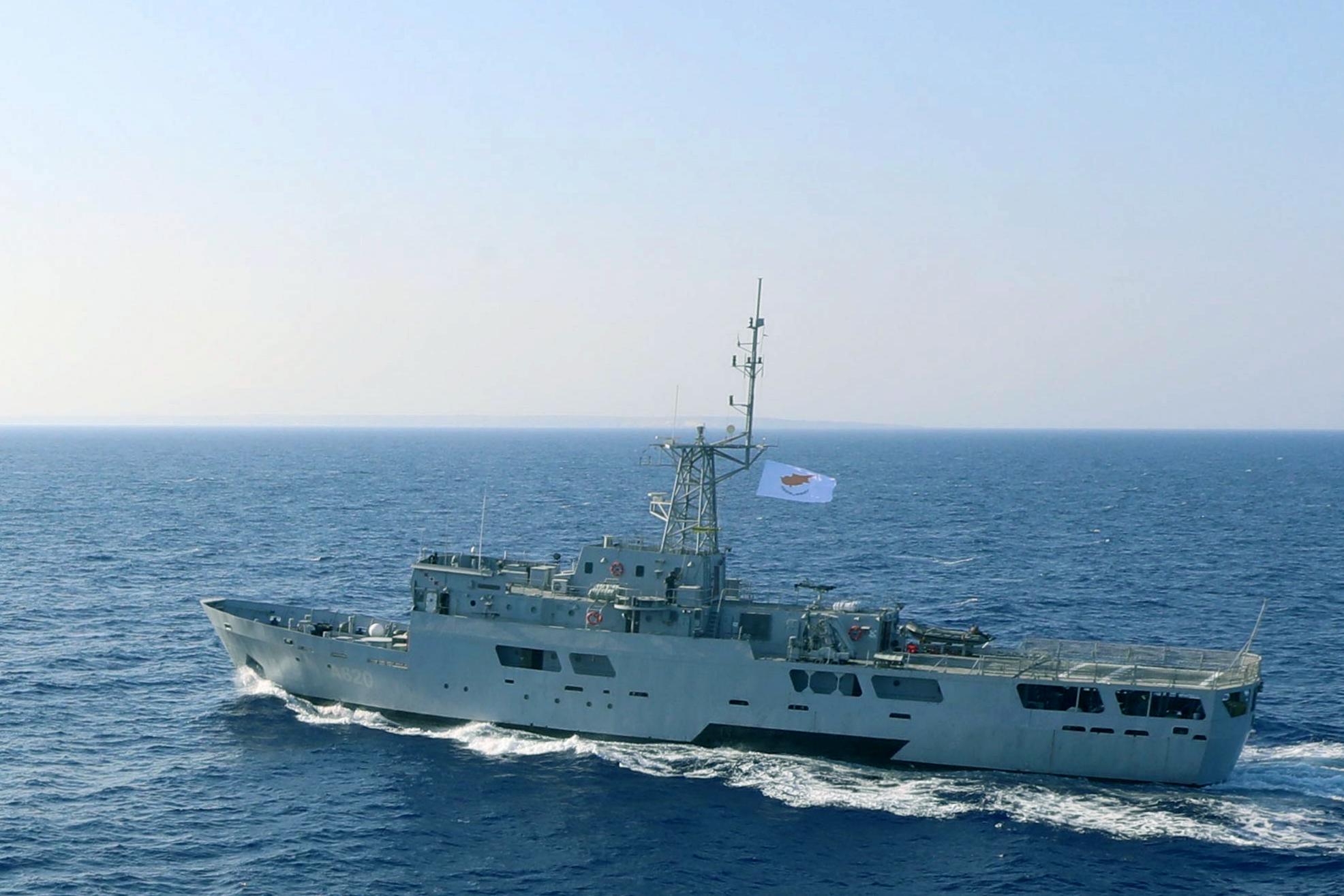
The scope of the operations extends beyond mere surveillance, encompassing deterrence and rapid response capabilities against any unauthorized activities. “Our objective is clear-to protect Cyprus’s sovereign rights and ensure security within our maritime borders,” a defense spokesperson stated. The enhanced naval footprint will incorporate advanced patrol vessels equipped with modern radar and communication systems, tasked with continuous monitoring and coordination with other branches of the security forces. This strategic deployment not only reinforces the Republic’s commitment to upholding international maritime law but also serves as a strong message to any entities contemplating illegal incursions into Cyprus’s resource-rich waters.
Key Actors: Navy, Government, and Regional Partners
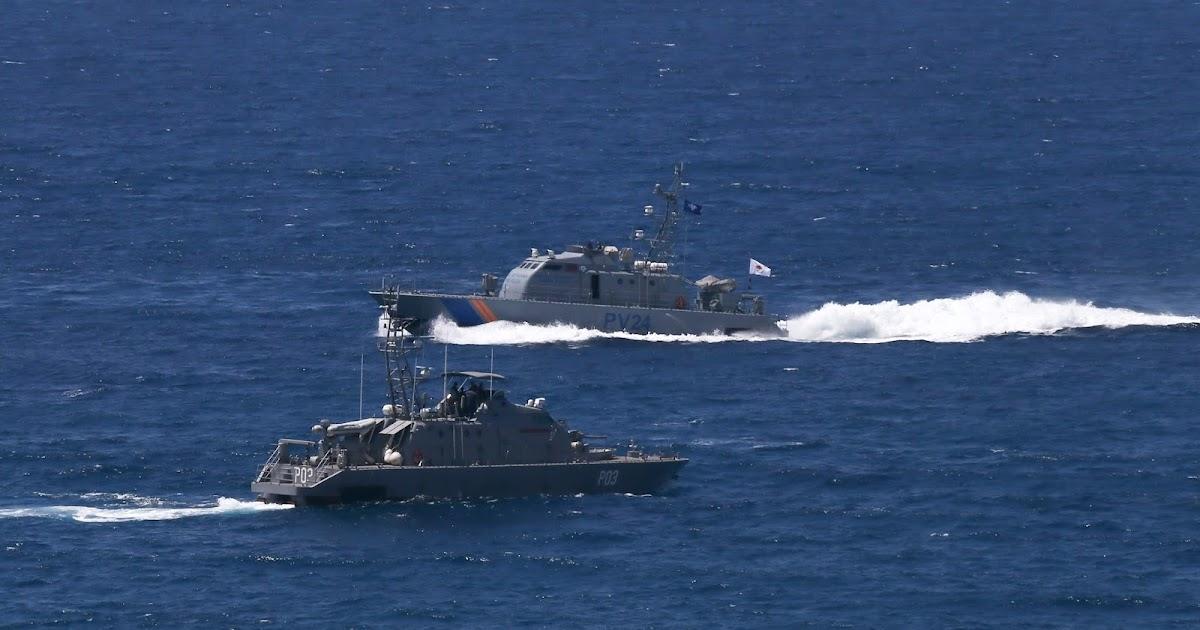
The Republic of Cyprus has strategically enhanced its naval capabilities with increased patrols in its Exclusive Economic Zone (EEZ), a move underscored by a coordinated effort between the Cyprus Navy, government authorities, and key regional partners. The Cyprus Navy, equipped with advanced patrol vessels and maritime surveillance systems, is at the forefront of this operation, tasked with monitoring and securing offshore energy infrastructure and deterring unauthorized intrusions. Navy officials emphasize that these patrols are vital not only for sovereign protection but also to reinforce Cyprus’s authority over its natural resources amid growing geopolitical tensions in the Eastern Mediterranean.
From the government’s side, President’s office and Ministry of Defence have reinforced their commitment to safeguarding national interests by allocating enhanced budgets for maritime security and endorsing closer cooperation with allies. High-ranking government sources note that these measures reflect an integrated strategy developed in consultation with regional partners, particularly Greece and European Union member states, who share a vested interest in the stability and security of the Eastern Mediterranean corridor. Diplomatic communications indicate an alignment of regional defense policies, with joint exercises and intelligence sharing further solidifying a robust security network aimed at deterring potential threats and sustaining the rule of law in Cypriot waters.
Enhancing Security Amid Rising Eastern Mediterranean Tensions
In response to escalating geopolitical strains in the Eastern Mediterranean, the Republic of Cyprus has intensified its maritime defense efforts, signaling a robust commitment to safeguarding its Exclusive Economic Zone (EEZ). The newly deployed naval patrols are not only a deterrent against unauthorized incursions but also a strategic move to protect the island’s valuable energy resources. Government officials emphasize that these measures are essential as regional frictions have heightened, particularly around offshore hydrocarbon exploration activities.
A high-ranking defense official noted, “Our priority is to uphold the sovereignty of the Republic of Cyprus and ensure the security of our maritime zones. These patrols are a clear message that Cyprus will vigilantly defend its interests in accordance with international law.” The enhanced naval presence includes advanced surveillance capabilities and increased coordination with allied forces, reflecting a broader effort to maintain stability in what has become an increasingly contested region. This calculated show of strength underscores Cyprus’s resolve to navigate complex diplomatic waters while reinforcing its position as a key player in Eastern Mediterranean security dynamics.
Implications for Cyprus’s Economic Zones and Maritime Resources
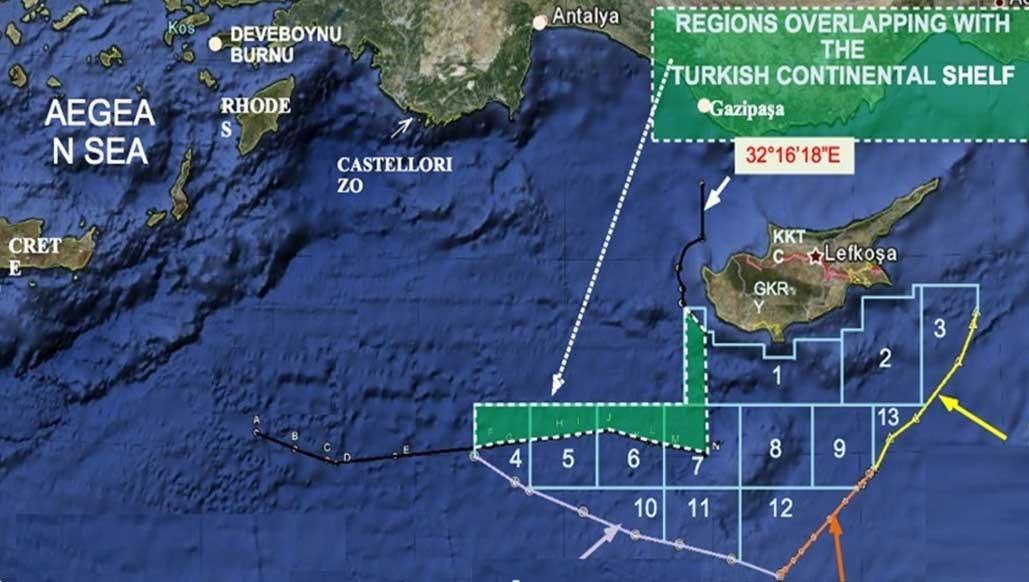
The bolstering of naval patrols in Cyprus’s Exclusive Economic Zone (EEZ) marks a significant step in safeguarding the island’s strategic economic interests and maritime resources. The expanded presence of Cyprus’s navy not only aims to deter illegal activities such as unauthorized fishing and potential hydrocarbon exploration by external actors but also reinforces the Republic’s sovereignty over its lucrative offshore energy reserves. Key gas fields like Aphrodite stand at the heart of Cyprus’s long-term energy and economic plans, making the protection of these assets a national priority.
Officials underscore that enhanced naval operations will contribute to securing an environment conducive to energy development and exploration partnerships. “This move solidifies our commitment to the responsible management and defense of our maritime wealth,” a senior government source told local reporters. The increased patrols also serve as a critical reassurance to international investors and neighboring states regarding Cyprus’s ability to uphold maritime law and maintain regional stability. With defense experts noting a rise in regional maritime tensions, the reinforced naval vigilance could deter incursions and illegal exploitation that jeopardize economic growth.
Voices from the Sea: Mariners and Coastal Communities Respond
The recently enhanced naval patrols in Cyprus’s exclusive economic zone have resonated deeply within local fishing communities and maritime workers, many of whom express a mix of relief and cautious optimism. “For years, we faced challenges from unauthorized vessels disrupting our waters, affecting our daily catch and safety at sea,” said Andreas Georgiou, a fisherman from Larnaca. “Now, with the increased naval presence, there’s a renewed sense that our waters are being protected and our livelihoods respected.” Coastal towns have seen a subtle but impactful rise in morale, with fishermen noting not only improved security but also a stronger connection to national efforts safeguarding Cyprus’s maritime sovereignty.
Mariners operating commercial and recreational vessels have also welcomed the boost in patrols, highlighting the broader benefits beyond security. Elena Petrou, captain of a local ferry service, remarked, “Knowing that the Mediterranean surrounding Cyprus is more closely monitored reassures passengers and crew alike. It’s about more than defense-it’s trust and stability that can encourage further investment and tourism.” While some remain vigilant about the evolving geopolitical landscape, the overwhelming sentiment from those whose lives are intertwined with the sea is hopeful. They see the Navy’s expanded role as a vital step in preserving not only Cyprus’s economic interests but the enduring spirit of its coastal communities.
What It Means for Cyprus
Cyprus Boosts Maritime Defense with New Naval Patrols in Exclusive Zone
The Republic of Cyprus has intensified its maritime security operations with the deployment of additional naval patrols specifically targeting its Exclusive Economic Zone (EEZ). Announced within the past 48 hours by the Ministry of Defence, the move signals a strategic enhancement of the island nation’s capacity to monitor and protect vital offshore assets amid ongoing geopolitical tensions in the Eastern Mediterranean.
The new patrol units are equipped with advanced surveillance technology, including radar and night-vision systems, designed to ensure continuous monitoring of Cyprus’ maritime boundaries. This upgrade comes as part of a broader defence initiative to safeguard natural gas fields and prevent unauthorized incursions or illegal activities such as smuggling or unregulated fishing within the nation’s jurisdiction.
Cyprus faces increasing challenges in maintaining control over its offshore resources, which are crucial to the country’s energy ambitions and economic stability. The decision to boost naval presence underscores the government’s commitment to deter provocations and affirm sovereignty over these contested waters, reinforcing Cyprus’ position as a responsible and vigilant maritime state.
Defense analysts point out that these enhanced patrols serve not only as a deterrent but also as a confidence-building measure that supports international maritime law and cooperation with allied partners, including EU member states and Mediterranean neighbours. Coordination with broader regional security frameworks is expected to improve through this initiative, contributing to safer maritime routes and more effective crisis response.
For residents of Cyprus, this enhanced security translates into strengthened national protection and stability around key offshore infrastructures that impact energy supply and economic growth. Investors, particularly in the energy sector, can interpret this measure as a positive signal of risk mitigation and government resolve to maintain sovereign rights, thus fostering a more secure investment climate. For international observers, Cyprus’ proactive stance exemplifies a principled approach to protecting natural resources while promoting regional stability, reaffirming the island’s strategic importance within the Eastern Mediterranean security architecture.