
The Republic of Cyprus has taken a significant step in strengthening its fight against corruption by introducing new transparency laws aimed at enhancing public accountability and governance. The legislation, officially enacted within the last 48 hours, mandates stricter disclosure requirements for public officials and senior government employees, alongside tougher penalties for violations. This decisive move comes amid growing public demand for heightened ethical standards and follows recommendations from international anti-corruption watchdogs. By tightening oversight mechanisms and promoting open access to information, Cyprus aims to bolster investor confidence, reinforce the rule of law, and ensure that public resources are managed with integrity.

What Happened
In a decisive move to strengthen governance and public trust, the Republic of Cyprus has enacted a fresh suite of transparency laws aimed at intensifying its anti-corruption efforts. The legislation, passed by the House of Representatives earlier this week, introduces stricter reporting requirements for public officials and mandates enhanced disclosure of assets. These measures are designed to close loopholes that have long hindered the fight against corruption, particularly within public procurement and administration.
Speaking at the parliamentary session, the Minister of Justice highlighted the government’s commitment to aligning Cyprus with best European practices on transparency. “Our citizens deserve a system where accountability is not optional but guaranteed. With these laws, we reaffirm our dedication to eradicating corruption in all its forms,” he said. Civil society groups and international watchdogs have welcomed the move, citing it as a crucial step in restoring confidence after years of criticism over opaque processes and alleged conflicts of interest. The legislation also establishes an independent body tasked with monitoring compliance and investigating allegations swiftly, signaling a new era of vigilance for the island’s public sector.
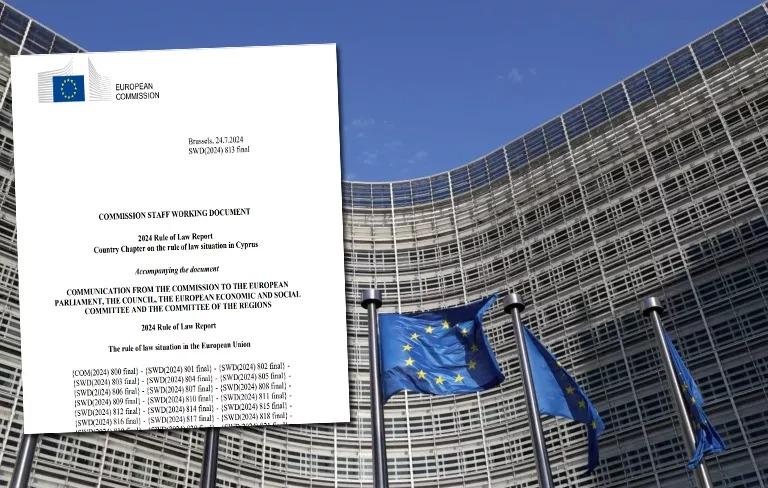
Reactions from Officials
Government officials have expressed a strong commitment to the newly enacted transparency laws, underscoring their role in reinforcing public trust and fostering good governance. The Minister of Justice emphasized that these measures mark a significant step forward in Cyprus’s ongoing fight against corruption. “By enhancing oversight mechanisms and mandating higher standards of accountability, we are protecting democratic values and ensuring that public institutions operate with integrity,” the Minister remarked during a parliamentary session.
Opposition figures, while cautiously supportive of the initiative, highlighted the importance of rigorous implementation and independent monitoring to guarantee real impact. A leading member of the main opposition party noted that “legislation alone is not enough; it requires unwavering political will and collaboration across all branches of government.” Meanwhile, independent watchdog organizations have welcomed the move as a positive signal to both domestic and international observers, reinforcing Cyprus’s reputation as a transparent and responsible member of the European community.

Public Response
The announcement of new transparency laws aimed at intensifying the fight against corruption has been met with a cautiously optimistic response from the general public and civil society groups across Cyprus. Many citizens expressed hope that the legislative measures will finally address long-standing concerns over governance and public accountability. “For years, we have witnessed loopholes being exploited, and a lack of consequences for unethical behavior,” remarked a local business owner in Nicosia. “This new law has the potential to change the culture of impunity, but its success will depend on rigorous enforcement.”
Meanwhile, watchdog organizations and anti-corruption advocates welcomed the government’s initiative but urged continued vigilance. Representatives from various NGOs underscored the importance of transparency not only on paper but in practical, day-to-day government operations. One activist noted, “This is a promising step, but the real test lies in political will and institutional capacity to implement these laws effectively. Citizens will be watching closely to see if this translates into tangible change.” Public sentiment appears to be one of guarded hopefulness, reflecting a deep desire for reform amid years of frustration over perceived systemic weaknesses.

Background Context
Corruption has long been a concern in the Republic of Cyprus, particularly in sectors such as real estate, public procurement, and financial services. Recent years have seen increased scrutiny from international watchdogs, including Transparency International, which previously ranked Cyprus lower than many European peers in terms of perceived corruption. Persistent challenges have underlined the need for comprehensive reforms aimed at enhancing accountability and rebuilding public trust. The government’s push for greater transparency reflects a growing recognition that economic growth and investor confidence depend heavily on a robust legal framework that effectively deters corrupt practices.
This renewed emphasis on anti-corruption measures comes against the backdrop of Cyprus’s efforts to align national legislation with EU directives on transparency and the fight against money laundering. Officials have acknowledged the importance of modernising existing laws to close loopholes and ensure greater oversight of public officials and private entities alike. “Our goal is to create a climate where integrity is not only expected but enforced at all levels,” a senior government spokesperson noted. The new laws form part of a broader strategy, including stricter enforcement mechanisms and enhanced powers for investigative bodies, marking a significant step forward in Cyprus’s commitment to clean governance and the rule of law.

What Happens Next
With the passage of the new transparency laws, Cypriot authorities are gearing up to implement rigorous oversight mechanisms aimed at curbing corruption in both public and private sectors. The government has signaled its intent to bolster existing institutions, including the Audit Office and the Anti-Corruption Commission, by granting them broader investigative powers and enhanced independence. This comes as part of a comprehensive strategy to restore public trust and align Cyprus more closely with European Union standards on accountability and good governance.
Experts anticipate that the immediate focus will be on increasing transparency in public procurement processes and political financing, areas historically vulnerable to corrupt practices. Officials have emphasized the importance of cooperation between ministries and civil society, with some noting that the true test of these reforms will lie in their consistent enforcement rather than legislative rhetoric alone. “These laws represent a pivotal step forward, but their impact depends on sustained political will and active engagement from all levels of government,” remarked one legal analyst familiar with the reform process. The coming weeks are expected to see detailed regulatory frameworks introduced, alongside public awareness campaigns to ensure widespread understanding and compliance.
What It Means for Cyprus
Cyprus Boosts Anti-Corruption Drive with New Transparency Laws
Nicosia has taken a decisive step in strengthening its governance framework with the introduction of new transparency laws aimed at tackling corruption and promoting accountability in both the public and private sectors. The legislation, unveiled on Monday and passed almost unanimously by Parliament, forms part of Cyprus’s broader commitment to align with EU standards and enhance the island’s reputation as a secure and trustworthy destination for business and investment.
The new laws significantly expand the scope of mandatory disclosures for public officials, requiring more detailed declarations of assets, incomes, and potential conflicts of interest. Furthermore, these measures establish stringent reporting guidelines for companies linked to government contracts, enhancing oversight mechanisms to detect and prevent corrupt practices. To reinforce enforcement, the legislation also empowers the newly established Independent Commission against Corruption (ICAC) with wider investigatory authority and stronger penalties for violations, including substantial fines and potential criminal charges.
Authorities insist that these reforms address longstanding concerns raised by international watchdogs about opacity in Cyprus’s administrative processes. Recent evaluations had highlighted weaknesses in corruption prevention tools and the lack of effective sanctions. By increasing transparency and accountability, the government seeks to close loopholes that have previously undermined trust in public institutions and hindered foreign investment.
Critically, the legislation ushers in a culture of openness that extends beyond the public sector, with new mandates for private companies engaged in public procurement to disclose beneficial ownership structures. This move directly confronts shell-company misuse, a persistent issue that has occasionally clouded Cyprus’s financial sector reputation. It is expected that these reforms will assure investors of a healthier business environment where fairness and legal compliance are uncompromised.
For residents, these laws promise enhanced integrity in governance, potentially reducing the shadow of corrupt dealings that affect public services and community trust. Investors and international observers can interpret the reforms as a tangible signal that Cyprus is serious about fostering a transparent, rule-of-law based economy. This shift not only strengthens Cyprus’s standing within the European Union but also positions the island competitively within the Mediterranean’s dynamic business landscape.
In summary, Cyprus’s newly enacted transparency laws mark a pivotal advancement in the country’s anti-corruption agenda. By raising standards of accountability, reinforcing oversight agencies, and increasing corporate transparency, these reforms lay a foundation for more ethical governance and investment security. For Cypriots, investors, and global partners alike, this initiative signals a renewed commitment to creating a fairer and more resilient economic and political environment on the island.