The ongoing Cost of Living Allowance (CoLA) debacle in Cyprus starkly illustrates why state intervention in labour relations can lead to significant complications. The illusion of state wisdom persists among many Cypriots, who often call for government involvement in various sectors of life, akin to the protective role of a parent. Yet this expectation remains unfulfilled, especially in the realm of industrial relations, which has seen the government’s recent attempts to mediate between unions and employers devolve into chaos.
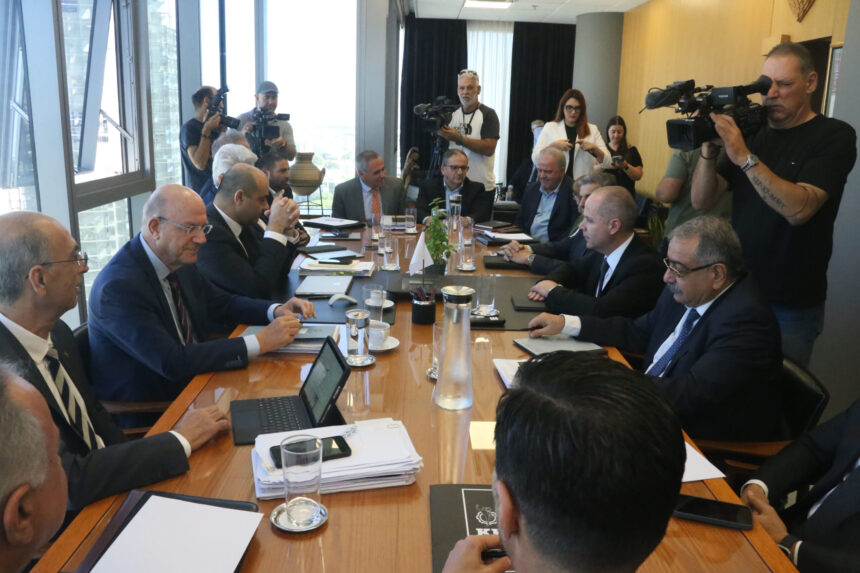
Since July, the government has been embroiled in a dispute with no end in sight. Unions and employers’ groups have been at loggerheads over the level of CoLA increases, leading to a protracted stalemate. The recent six-hour meeting involving key stakeholders, including union federations and employers’ organisations, produced little more than frustration as representatives failed to reach a consensus. As the ministers of finance and labour attempted to mediate, the gulf between the two sides only appeared to widen.
Union demands for a 100% CoLA implementation versus the current 67% have become a flashpoint. The unions argue that this adjustment is essential for all workers, including those on higher wages, while employers resist such changes, citing financial constraints. After the latest marathon negotiation session, the Chamber of Commerce (Keve) and the Employers’ Federation (Oev) are set to meet again to deliberate on the proposals put forth by the government.
The dynamics of this ongoing conflict reveal two key sticking points: the frequency with which CoLA should be adjusted and the government’s role in mediating these disputes. Unions want CoLA to be incorporated into the minimum wage annually, while employers prefer a biennial adjustment. This disagreement underscores the complications that arise when the government enters the private sector’s labour negotiations, leading to proposals that many view as economically illogical.
One such proposal involves tax allowances for employers who comply with the full CoLA payment. This suggestion has raised eyebrows as it essentially shifts the financial burden onto taxpayers while attempting to placate union demands. Reports indicate that while employers were offered a 15% allowance, they are seeking as much as 50%, raising questions about the efficacy and rationale behind such measures.
The debate surrounding CoLA highlights a fundamental economic principle: the government should not be involved in the private sector’s labour relations. While it is within its rights to set standards for public employees, the state’s backing of union demands in the private sector complicates matters unnecessarily. This intervention has led to a situation where the government must now find a face-saving solution to a problem of its own making.
Moreover, the president’s recent call for a ‘CoLA for all’ initiative comes at a time when a staggering 70% of the private sector does not even provide this allowance. Such proposals not only lack economic logic but also reflect a disconnect between political rhetoric and the realities of the labour market. The result is a landscape dominated by uncertainty, where both employers and employees are left in limbo.
The broader implications of this CoLA crisis are significant. Economic populism, driven by political pressures and the desire to appear responsive, can lead to detrimental outcomes that stifle economic growth. By failing to maintain an appropriate distance from private sector negotiations, the state risks creating long-term consequences that could undermine the stability of the labour market and the economy as a whole.
As the situation unfolds, it is evident that the resolution to the CoLA issue lies not in further government intervention but in allowing market forces to dictate the terms of labour relations. A hands-off approach would enable unions and employers to negotiate in good faith, fostering an environment where both parties can reach a mutually beneficial agreement.