The Cabinet has approved plans to establish a national civil protection mechanism, a move aimed at enhancing crisis management across the nation. President Nikos Christodoulides announced this significant reform following Wednesday’s cabinet meeting, highlighting the need for a more robust and coordinated response to emergencies.
Aiming for a Unified Response
President Christodoulides emphasised that the initiative is designed to restructure the civil protection sector and bolster its effectiveness. “Our goal is to create an upgraded framework for coordination and cooperation of all involved services, under the national coordinator, based on European standards, for a more effective response to crisis incidents,” he stated.
Appointment of a Civil Protection Coordinator
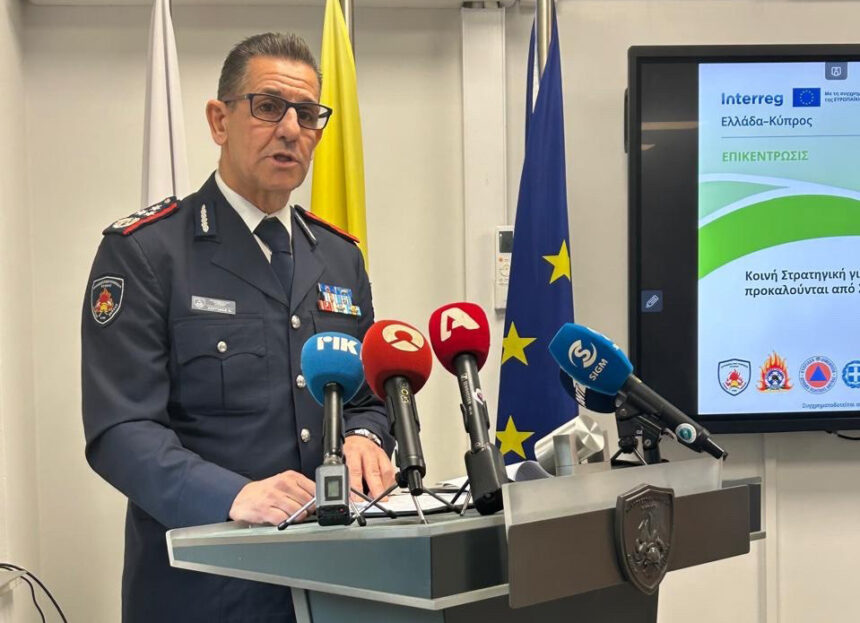
The national civil protection mechanism will be directed by a civil protection coordinator, who is expected to be appointed by the interior minister. While the relevant bill is pending in parliament, fire brigade chief Nikos Longinos will temporarily fill the role. This appointment is part of a broader strategy to enhance the operational capabilities of civil protection in the wake of recent crises.
Reforms Driven by Recent Tragedies
The urgency for these reforms has been underscored by the tragic wildfires that swept through the Limassol district last summer, resulting in the loss of two lives. In response, presidential crisis management advisor George Boustras outlined the need for civil defence to adopt an “upgraded role” within the new framework.
Boosting Staffing and Capacity
As part of the reforms, there will be a significant increase in staffing levels within the civil defence, allowing it to align more closely with civil protection forces in other EU member states. Boustras articulated the dual goals of the initiative: strengthening firefighting capacity and providing a comprehensive view of disaster management. “We want two things; one is to strengthen firefighting capacity, so everyone goes under the same umbrella. Secondly, we want to see the whole picture. So that’s why civil protection is being strengthened,” he explained.
Comprehensive Disaster Management Framework
The proposed civil protection force will feature an expanded firefighting capacity and a new organisational structure covering the entire disaster management response mechanism, from prevention and suppression to restoration. This comprehensive approach aims to ensure that the country is better prepared for future crises.
Support from the European Union
In developing these plans, the government has sought technical assistance from the European Commission. Boustras noted that this support comes from international organisations and various services, which will work alongside state officials to tailor solutions to the nation’s specific needs. “Technical assistance comes from the European Union through international organisations and various services, which come and advise based on international practice,” he said.
National Consensus for Effective Implementation
As the reform progresses, Boustras called on politicians in parliament to strive for a national consensus, urging a collaborative spirit across party lines. He stressed the importance of reaching a solution that is acceptable to all, emphasising that the success of the mechanism relies on unity: “Regardless of government, regardless of parties, so that we can reach a solution that will be acceptable to everyone and that there is a mechanism.”