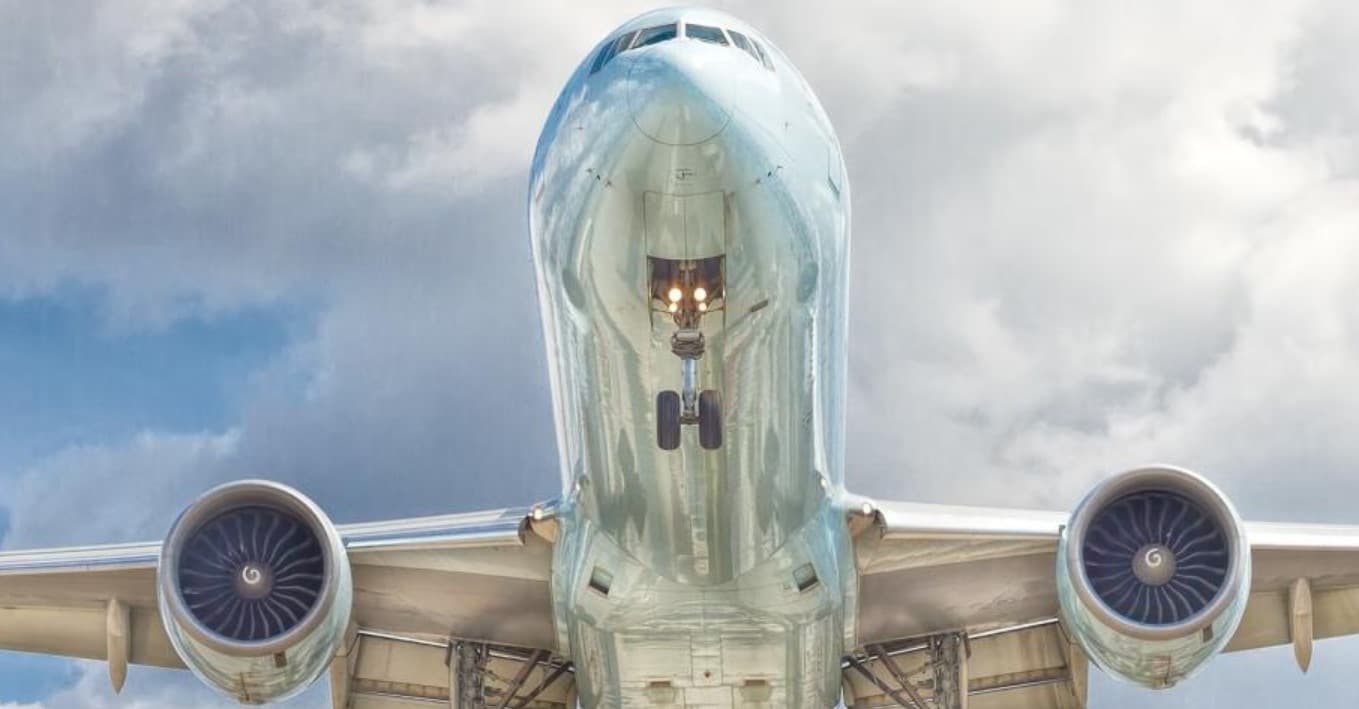
Aviation leaders gathered at COP30 to advocate for stronger international cooperation, recognising that achieving net zero emissions is essential for the future of travel.

Photo: traveldailynews.com
- Aviation leaders gathered at COP30 to advocate for stronger international cooperation, recognising that achieving net zero emissions is essential for the future of travel.
Cop30: Importance of Global Coordination
The coalition, which includes the World Travel & Tourism Council (WTTC) and the International Air Transport Association (IATA), emphasised the need for unified action to tackle climate change. They believe that without a cohesive strategy, efforts to reduce emissions could be undermined by fragmented regulations.
ICAO’s Role in Emission Regulation
At the heart of their message is the International Civil Aviation Organization (ICAO), regarded as the sole authority to regulate international aviation emissions. This emphasis on a singular governing body is crucial to avoid duplicative efforts that could dilute the impact of decarbonisation initiatives.
Concerns Over New Taxes
Gloria Guevara, the Interim President and CEO of WTTC, voiced strong opposition to additional climate taxes that could burden travellers and disrupt the aviation sector. She underscored that the focus should be on innovative solutions that not only speed up decarbonisation but also enhance access to climate finance.
Aviation as an Economic Catalyst
Willie Walsh, Director General of IATA, reinforced the idea that aviation is vital for global connectivity and economic growth. He encouraged governments to fully implement CORSIA, the global carbon offsetting scheme aimed at achieving net zero by 2050. Walsh warned that imposing fragmented taxes could divert funds away from genuine emission reduction strategies.
The CORSIA Initiative
CORSIA is expected to play a pivotal role in offsetting aviation emissions. In its initial phase from 2024 to 2026, airlines are projected to purchase over 200 million credits, generating substantial financial resources for climate initiatives. With expectations to encompass 85% of international aviation emissions by 2027, CORSIA represents a significant step towards sustainable air travel.
Supporting Low-Carbon Development
The coalition also called for quicker operationalisation of Article 6 of the Paris Agreement, which would facilitate climate finance for developing nations. This aspect is particularly critical, as it could support low-carbon development efforts in regions heavily reliant on air transport.
Impact on Developing Nations
One of the major concerns highlighted by the coalition is the disproportionate impact that new taxes could have on developing nations and small island states, which depend heavily on air connectivity for their economies. The leaders argue that instead of imposing revenue-raising measures, the focus should be on solutions that genuinely contribute to emission reductions.
Coalition of Support
This joint statement has garnered support from a wide range of industry bodies, reinforcing the notion that a unified approach is essential for effective climate action. With COP30 serving as a critical juncture for global climate initiatives, the coalition’s message centres on cooperation and practical pathways to decarbonisation.